
Your Experience Matters. Have Your Say on the Future of Gamebird Shooting.
Calling all gamekeepers, beaters, pickers-up, dog handlers, dog trainers, shoot organisers, volunteers and everyone involved in our upland communities!
Deadline: 1 November 2026
Calling all gamekeepers, beaters, pickers-up, dog handlers, dog trainers, shoot organisers, volunteers and everyone involved in our upland communities!
Defra is asking for evidence about gamebird shooting, gamebird release and welfare during rearing in England, and we would really encourage you to have your say.
Now, before you switch off at the thought of another government consultation, please keep reading!
At first glance, it might look a little daunting. Lots of questions, official language and the feeling that you need to be an expert to contribute.
But you don’t.
You don't need a degree, a scientific report or pages of statistics. Defra welcomes practical experience, observations and well-documented records, as well as formal research.
And who better to explain what really happens on our moors than the people who spend their time working, volunteering and enjoying them?
It's about so much more than a day's shooting.
For many people, grouse shooting is part of a way of life that has been passed down through generations.
It's the keeper who knows every inch of the moor. The beater who has turned out in all weathers for 30 years. The picker-up who has spent countless hours training their dogs. The families who have grown up around shoot days, the friendships formed, the skills learned and the communities brought together.
It's the early mornings, the shared lunches, the stories, the traditions and the sense of belonging to something that matters.
And it's also everything that happens outside the shooting season – managing habitats, monitoring wildlife, restoring peatland, maintaining access and helping to protect our countryside from wildfires.
This is part of the living cultural heritage of our uplands, and it's a story worth telling.
Too often, discussions about grouse shooting focus on the activity itself without recognising the people, knowledge, traditions and communities behind it.
This is your opportunity to help Defra understand that wider picture.
How to Respond
-
Think about what you have personally experienced, witnessed or recorded.
Perhaps you've been beating on the same moor for decades. How has it changed? What does being part of that shoot mean to you?
Perhaps you're a picker-up or dog trainer. How much time goes into training your dogs? What skills have you learned, and who taught you?
Maybe you've grown up in a family where several generations have been involved in gamekeeping or shooting. What traditions have been passed down?
Perhaps you're a gamekeeper with years of records showing changes in bird populations, habitat management, grouse numbers or wildfire preparedness.
Or maybe you're someone who simply enjoys the friendships, camaraderie, fresh air and connection to the countryside that comes from being part of a shoot day.
All of these experiences can help tell the story, particularly when you can give specific examples of what you have seen or done.
You don't have to speak on behalf of an entire estate or community. Just explain what you know from your own experience.
-
Although the Call for Evidence contains quite a few questions, you are not expected to answer them all.
Only the first six questions, which ask about you and your response, are compulsory.
After that, you can pick the questions that are relevant to you. Even two or three well-explained answers can make a useful contribution.
Here are the questions most relevant to our uplands:
Questions 8–15: Wildlife, biodiversity, habitat management and SSSI records.
Question 16: Disease, where you have direct evidence.
Questions 20–21: Bird of prey crime, but only if you have direct evidence you are comfortable submitting.
Question 25: Grouse shooting and bag records.
Question 28: Medicated grit and wildfire evidence.
Question 29: Social, recreational and community experiences.
Question 29 is particularly worth looking at if you're a beater, picker-up, dog handler, dog trainer or someone who regularly takes part in shoot days.
It's an opportunity to explain the social side of shooting, the friendships, traditions, skills and connections to the countryside that are so often overlooked.
If you don't have evidence for a particular question, simply leave it blank or write 'No evidence to add'.
Defra is commissioning a separate independent assessment of the economic value of the gamebird sector, so this particular exercise is not seeking economic evidence.
-
You don't need to write a formal report or use complicated language.
The most helpful responses explain:
What you've personally seen, done or recorded.
Where and when it happened.
How long you've been involved.
What your experience shows.
Whether you have photographs, records, maps or other information to support it.
What your evidence cannot tell us, or whether there have been less successful outcomes.
For example, rather than simply saying:
"Shooting is important to our community."
You could say:
"I've been beating on the same moor for 25 years. Our beating team includes people of different ages and backgrounds, some of whom have been involved for generations. We meet throughout the shooting season, and for many of us it's an important part of our social lives. I've made lifelong friendships and learned a great deal about the moor and its wildlife from the gamekeepers."
That's a personal account that helps explain the social importance of shooting.
Or, if you're involved in estate management, rather than saying:
"Grouse moors help prevent wildfires."
You could explain:
"During a wildfire in July 2026, eight estate staff helped for a combined 164 hours. We supplied three ATVs, two fogging units and a water bowser. Existing tracks and cut firebreaks were used during containment, although one firebreak was crossed under severe conditions."
That provides specific information Defra can examine.
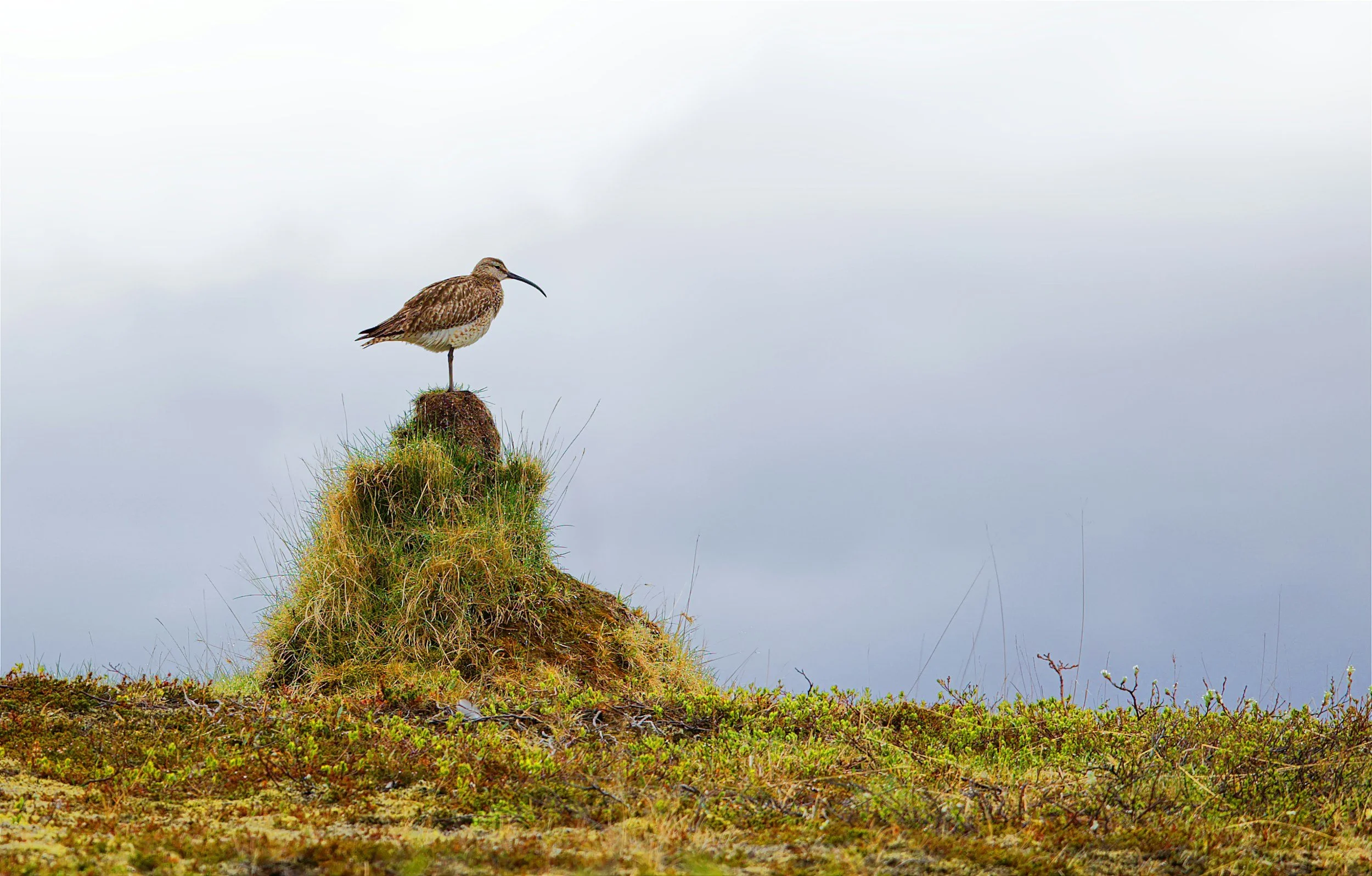
The same applies to wildlife records. If curlew numbers have increased on your moor, explain when and how they were counted and what management was taking place. Be clear that other factors, such as weather or grazing, may also have influenced the results.
The key is to stick to what you know, be specific and be open about the limitations of your evidence.
You don't have to prove that everything is perfect. A balanced account, including things that haven't worked, is much more credible.
Why is this important?
Defra says that no decisions have yet been made about future policy on gamebird shooting, release or welfare during rearing.
The evidence gathered through this process will help inform what happens next, and any proposed policy changes would be subject to further consultation.
That makes this an important opportunity for the people who actually live, work and spend time in our uplands to contribute.
Individual estates and people involved in shoot days hold knowledge and records that may not be available to researchers or national organisations.
And if the only voices Defra hears are those of organisations, researchers and campaign groups, it risks missing a very important part of the picture.
The people.
The communities.
The knowledge and skills.
The traditions that have been passed down through generations.
Please don't assume somebody else will tell your story for you.
How do I have my say?
The easiest way is through Defra's online survey:
When completing the survey:
Answer Questions 1–6, which are compulsory.
At Question 7, select 'Answer questions on gamebird release and shooting'.
Find the questions relevant to your experience.
Answer in your own words, using examples and supporting information where possible.
Leave any questions you cannot answer blank or write 'No evidence to add'.
For Question 1, most people would normally select 'No' to confidentiality unless their submission includes genuinely sensitive information.
Can’t use the online survey?
If you cannot use the online survey, you can email your response to gamebirds@defra.gov.uk.
Simply put your answers into one document, clearly numbered to match Defra's questions, and attach any supporting information you wish to include.
The deadline is midnight on Sunday 1 November 2026.
Late submissions will not be analysed.
Need a hand? We’re here to help!
If you're unsure where to start, which questions to answer or how best to share your experience, please get in touch with your Regional Moorland Group Coordinator, who will be happy to point you in the right direction.
Please don't be put off by the paperwork. Your experience matters, and we want to make sure the voices of our upland communities are heard.
One final thought…
Our uplands are about so much more than the landscape itself.
They're about the people who care for them, the friendships built over generations, the skills and knowledge handed down and the communities that have grown around them.
Whether you've been a gamekeeper for 40 years, pick up with your dogs, beat a handful of days each season or have only recently become involved, your perspective matters.
This isn't about writing the perfect response or knowing all the answers.
It's about sharing what you know, what you've experienced and why being part of our upland communities matters to you.
Please take a little time to have your say, and encourage your friends, family and fellow shoot-day colleagues to do the same.