
As Black Grouse Numbers Fall, Inspiring the Next Generation Has Never Been More Important
A sharp decline in the population of the iconic black grouse has prompted the launch of a nationwide survey to better understand how close the species is to extinction. The black grouse is one of Britain's most iconic gamebirds, but the dramatic decline in its numbers since the 1970s has left the species fighting for survival. The situation would look far bleaker without the unwavering commitment of gamekeepers and conservationists across the country.
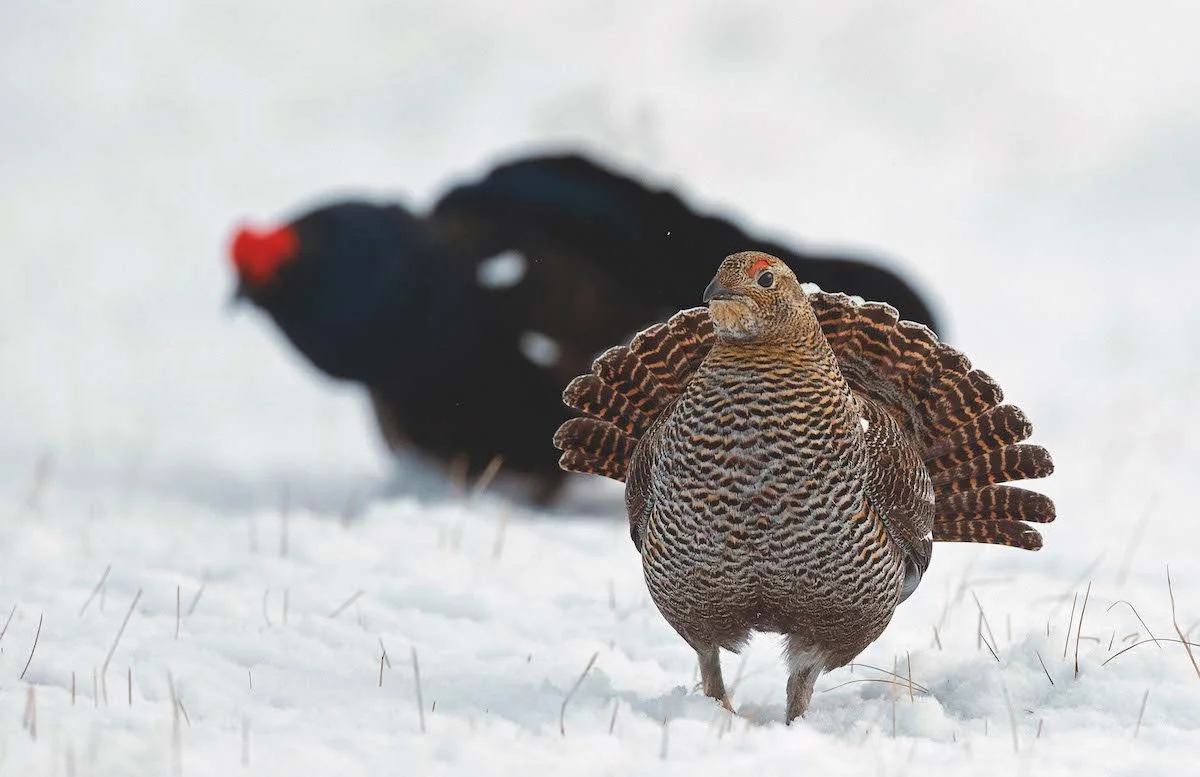
Black grouse numbers will only recover if there is a new generation of skilled gamekeepers and conservationists to protect and manage their habitats. Securing the species’ future is therefore as much about inspiring and training the next generation as it is about managing the moorlands today.
It is estimated that there are now fewer than 5,000 male black grouse across the UK despite the persistent efforts of gamekeepers to manage the moors and create the optimum environment for their recovery. However, black grouse, alongside a plethora of other gamebirds, struggle to survive due to predation and obstructive environmental policy. Foxes, badgers and birds of prey are all protected species, thus the increase in predation has contributed to the decline in grouse numbers.
Predation is only one of several challenges facing the species. Government regulations are also making the moors an increasingly difficult environment in which black grouse can survive. Restrictions on heather burning limit opportunities for habitat management, reducing the scope for effective heather regeneration projects while increasing the risk of damaging wildfires.
Furthermore, the vital efforts of gamekeepers to manage the UK's deer population illustrate the complexity of modern conservation. If left unmanaged, deer can significantly damage the habitats upon which black grouse depend. This demonstrates the wide range of challenges both the species and those working tirelessly to protect it face in 2026.
The nationwide survey, launched by the Game and Wildlife Conservation Trust (GWCT) and funded by the Government, identifies the most effective ways to increase black grouse numbers. For many, reversing policies they believe are undermining effective moorland management is the obvious next step. However, that argument has yet to gain traction in Westminster. In the meantime, the survey will provide land managers with valuable evidence to inform future conservation efforts and help guide the recovery of the species.
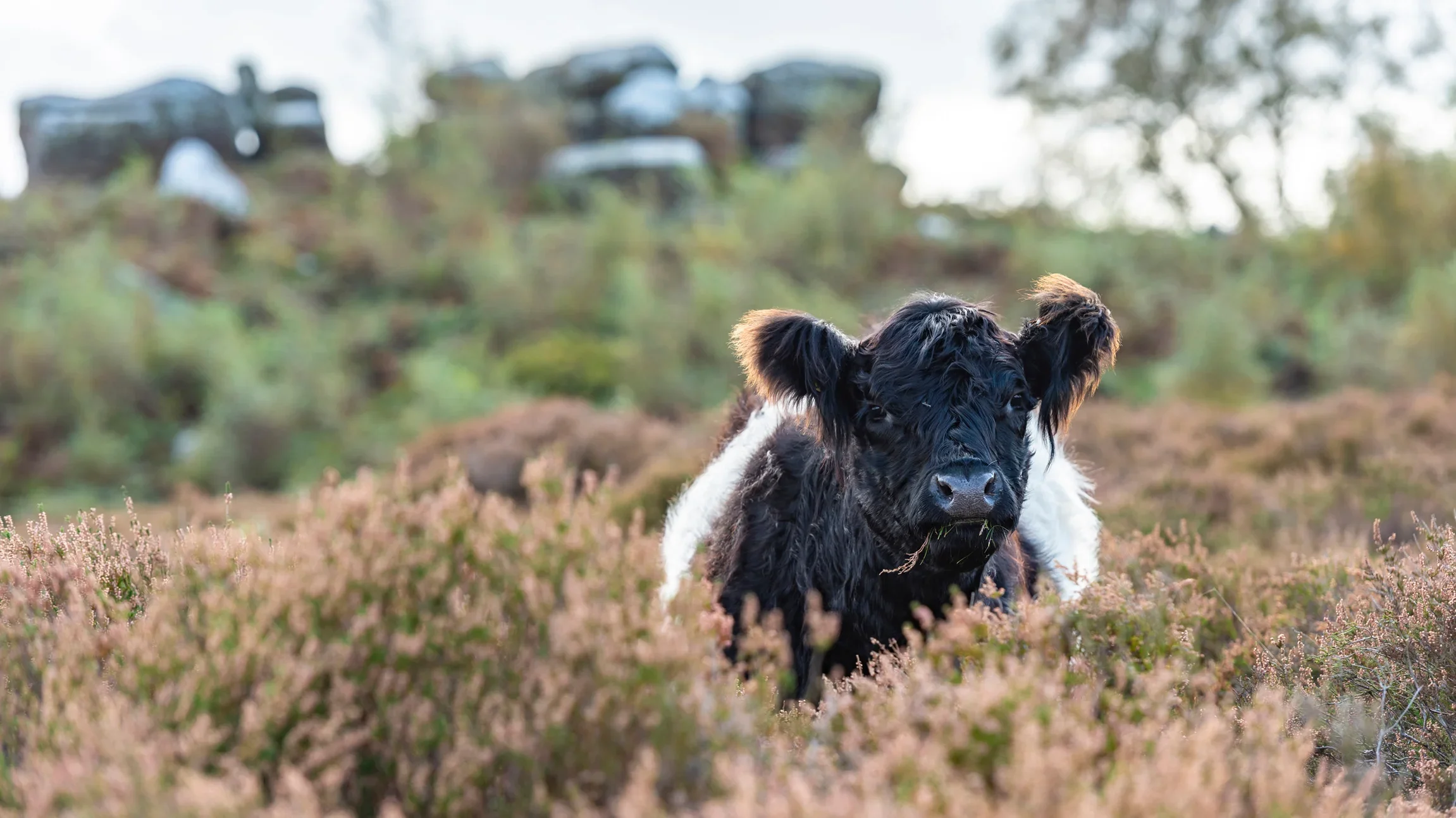
GPS trackers, relocation methods and carefully managed cattle grazing will be employed as part of the mission to help black grouse recover. Despite the difficult situation facing the species, there remains cause for optimism among those in rural and moorland communities. The Environment Secretary recently stated, "This Government is committed to protecting and restoring our most threatened wildlife – including cherished native birds like the black grouse and merlin." However, actions speak louder than words, and the real measure of success will be whether the survey’s findings translate into practical action that helps reverse the decline of the species.
Decades of conservation have demonstrated what can be achieved when skilled gamekeepers and conservationists are given the opportunity to manage the land. However, safeguarding England's black grouse will require more than today's efforts alone. The future of the species depends upon inspiring the next generation to develop the same passion, expertise and commitment that has underpinned conservation successes for decades.
Programmes such as Let's Learn Moor, which celebrated its 10th anniversary after beginning this year's events last week, deserve enormous praise for doing exactly that. Delivered by the Regional Moorland Groups alongside estates and more than 50 partner organisations, the initiative introduces thousands of schoolchildren to Britain's uplands, the wildlife they support and the dedicated people who protect them. By introducing young people to the work of gamekeepers and conservationists firsthand, the programme is helping cultivate the future custodians of Britain's uplands and the wildlife they sustain.
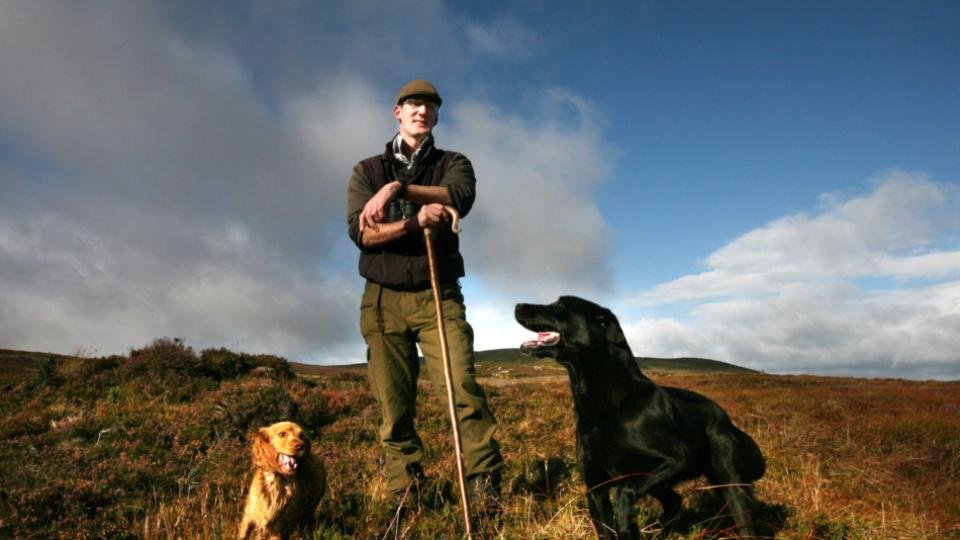
As black grouse numbers continue to decline, the answer to who might save them is already becoming clear. Today's gamekeepers and conservationists are working tirelessly to restore habitats, improve breeding success and secure the future of one of Britain's most beautiful birds. Yet it is vital that their efforts are matched by a new generation willing to follow in their footsteps. If black grouse are to remain a defining feature of Britain's uplands for generations to come, inspiring those future custodians may prove every bit as important as the conservation work taking place today.