
From Counting to Kitchen Counter: The Sustainable Process That Puts Grouse onto Plates
The process before a grouse arrives in a restaurant is much more intricate and labour-intensive than one may think. Those lucky enough to enjoy the delicacy may be inclined to believe that it is a short and simple journey from harvest to plate. In reality, it starts months earlier, with gamekeepers monitoring wildlife, managing habitats and creating the conditions that allow grouse, alongside an array of other species, to thrive. The North Pennines Moorland Group’s (NPMG) preparation for the grouse season provides the perfect example, illustrating the process from counting to counter.
Crucially, this process is sustainable and regenerative. While sceptics may think the process ends when the grouse is shot, every harvested bird enters the food chain.
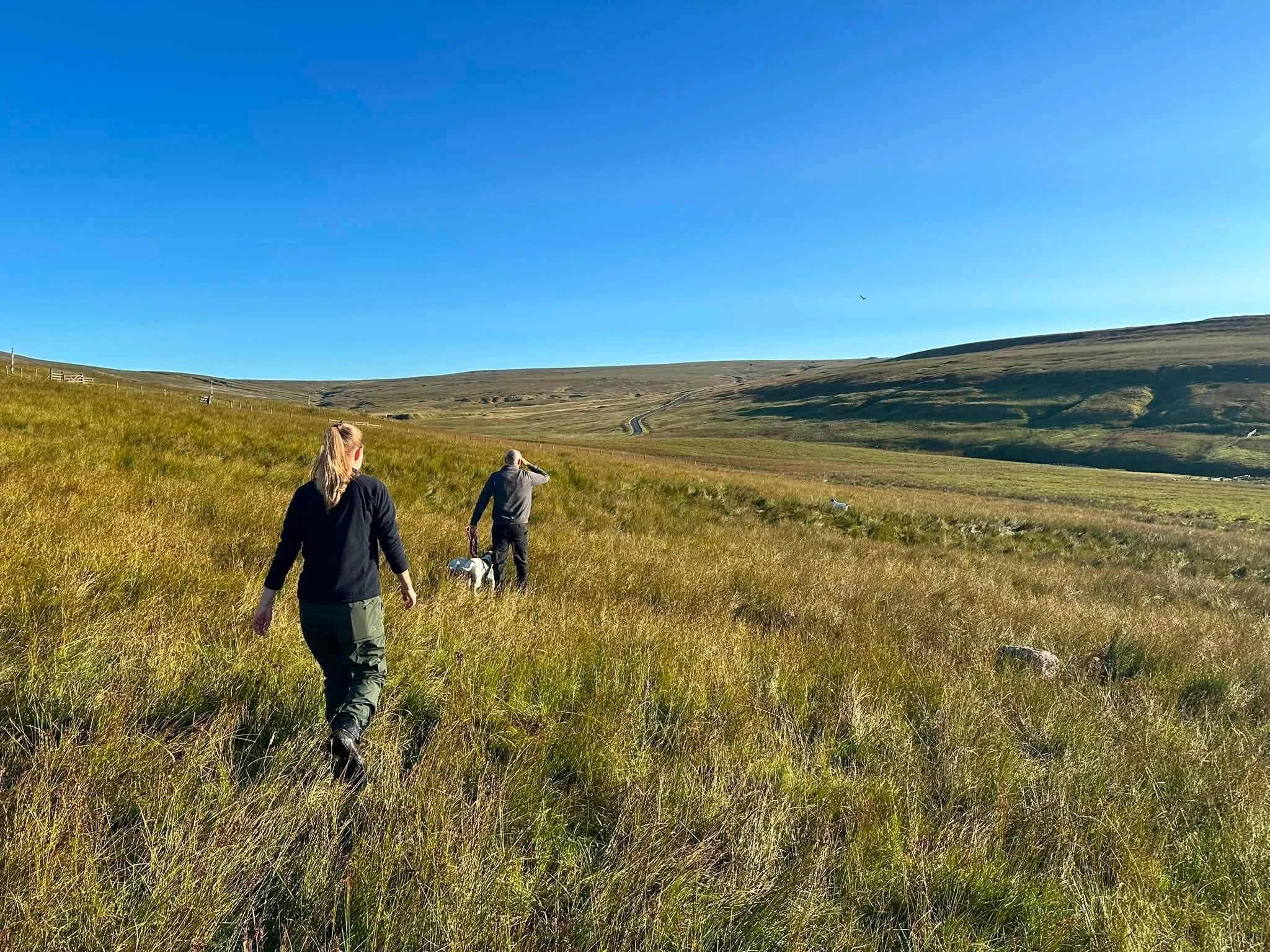
On Monday morning, gamekeepers and managers from the NPMG were up early to conduct a black grouse count, two days before the red grouse season started on the Glorious Twelfth. They were accompanied by Phil Warren from the Game & Wildlife Conservation Trust (GWCT) and carried out the count on a stunning day on the moor.
Importantly, this black grouse count should not be confused with the beginning of the red grouse harvest. The red grouse season begins on 12 August, while the black grouse season does not begin until 20 August in England, Wales and Scotland. The count forms part of the wider monitoring and conservation work undertaken by keepers across the moorland.
Pointers, a breed of dog used by gamekeepers in grouse management, are a vital part of grouse counting, and the NPMG took three “expert pointers” with them. The dogs locate grouse by scent and hold them on point, enabling the counting team to approach and accurately record the birds. From there, gamekeepers can build a clearer picture of grouse numbers, breeding success, behaviour and distribution across the moor.
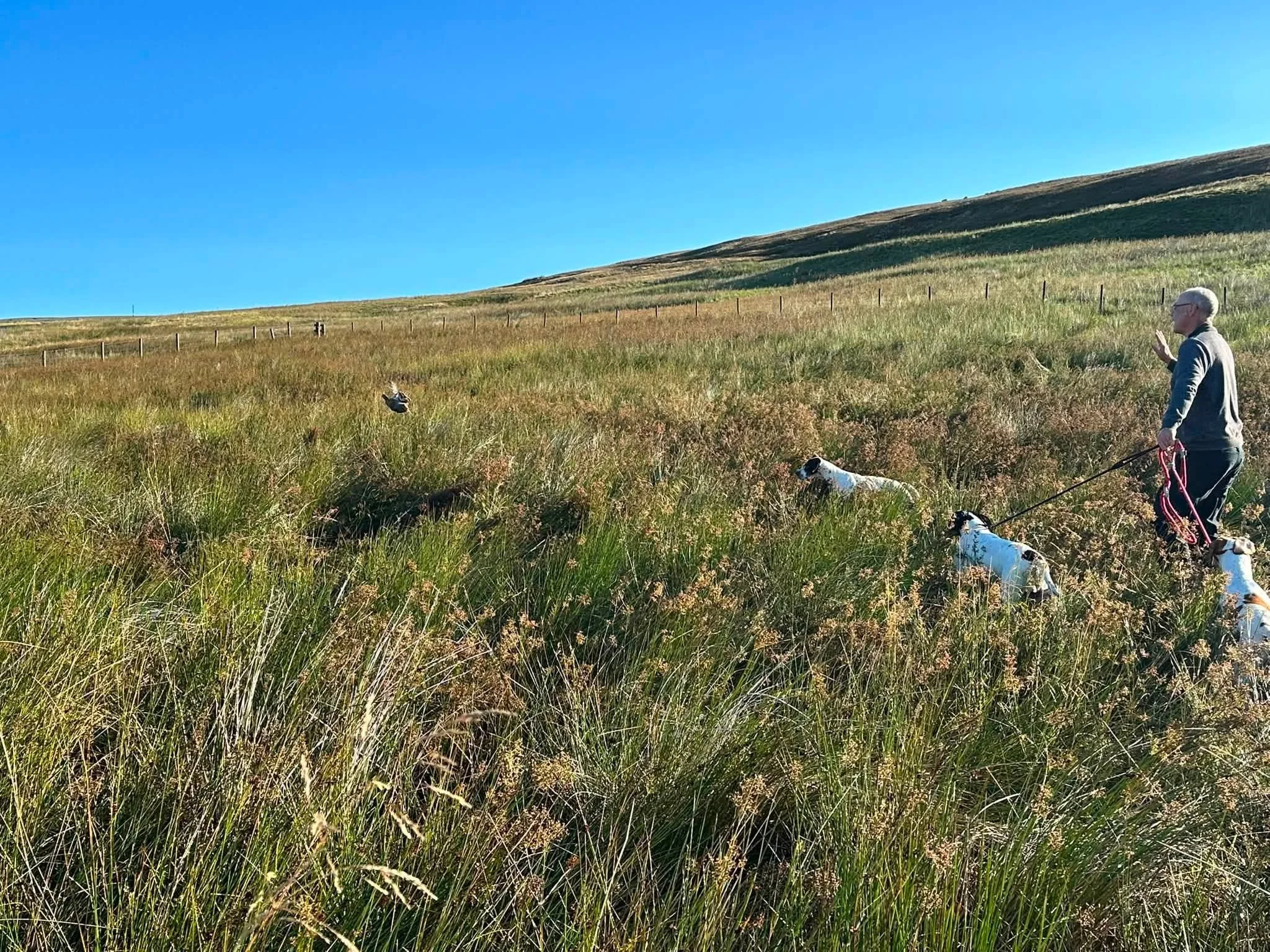
The count carried out by Mr Warren and the team is repeated yearly and is generally one of the better counts in the area. However, black grouse have relocated to lower-lying allotments, meaning the numbers recorded this year were lower. Despite this, previous counts have informed NPMG that pairs have bred well in and around the area.
Undertaking the count with Phil Warren also gives NPMG managers a chance to learn from his wealth of knowledge. Black grouse are a threatened species, but they are comparatively thriving across parts of the North Pennines. Towards the end of the year, black grouse will be relocated to the North York Moors for the third year running as part of efforts to increase their numbers there.
The Glorious Twelfth marks the start of the red grouse harvest around Britain. Various Regional Moorland Groups reported good conditions, while many gamekeepers and guests were able to enjoy the opening days of the season.
Although Monday’s count focused on black grouse, the same principle of careful monitoring and long-term management applies to red grouse. Gamekeepers monitor populations and breeding success throughout the year, helping them make informed decisions about the management of the moor ahead of the shooting season.
Critics are often quick to argue that grouse shooting is an unsustainable culling of birds that serve no purpose once they are shot. Yet those who work on and understand the moors know that this is far from the case.
Once the days harvest is complete, grouse are collected by game dealers and quickly sent to restaurants around the country for diners to enjoy. The NPMG commended its local game dealers for working tirelessly to make sure harvested grouse could be sent to restaurants across Britain.
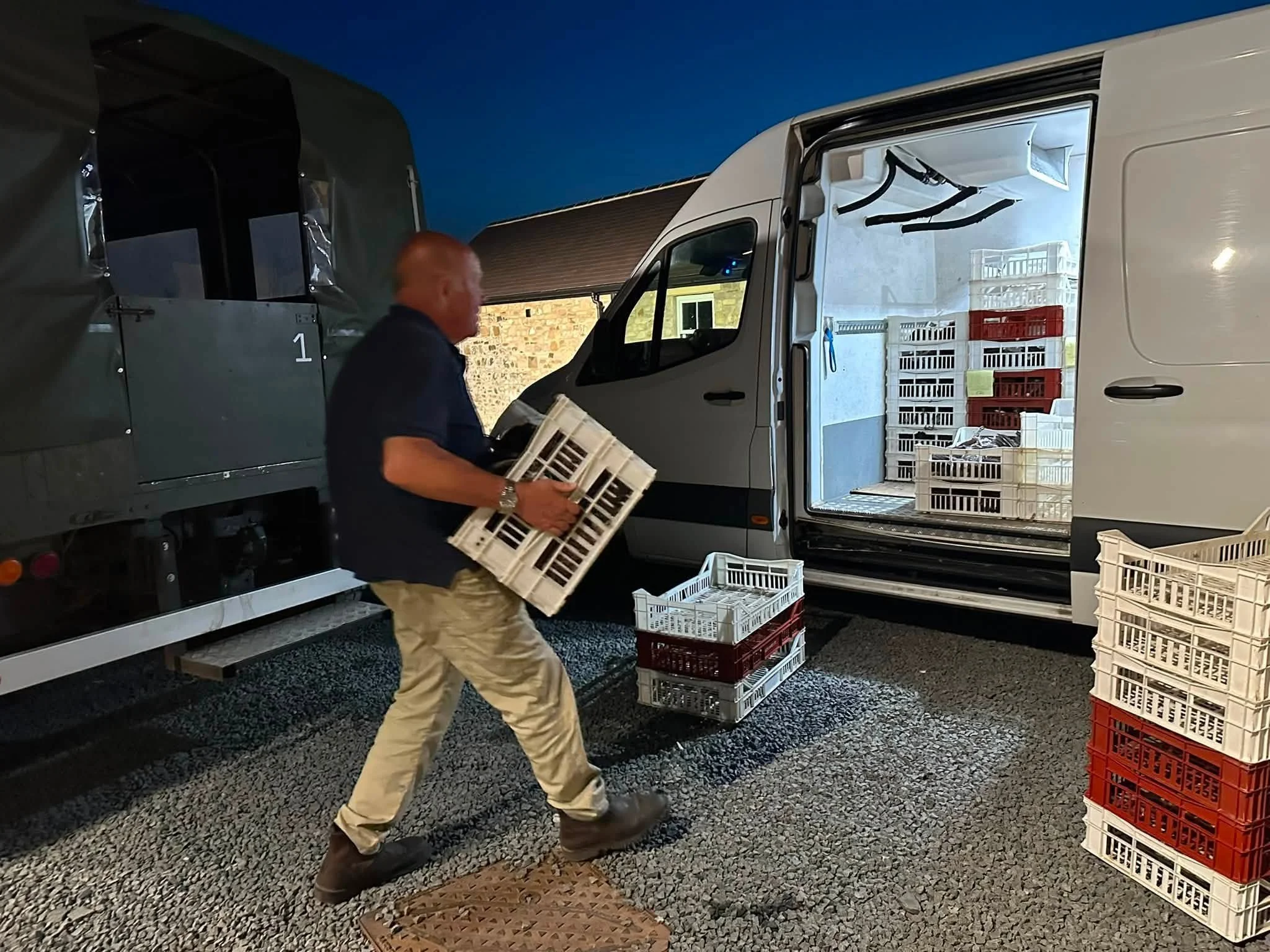
From keepers counting grouse and protecting habitats to dealers supplying chefs across Britain, there is considerably more behind a plate of grouse than the shooting day itself. The process combines land management, conservation, rural employment and food production, ensuring that the work invested in managing the moors ultimately results in a valuable and sought-after source of British game.
Photo credits: NPMG