
During the 2025 Fylingdales Moor wildfire, emergency planners considered evacuating Whitby. The town did not have to evacuate, but the preparations showed how far the consequences of a fire on the moors can reach. Speaking at the UK Wildfire Conference in Leeds, Nick Allenby, a station manager with North Yorkshire Fire and Rescue Service, said crews could not have managed without the help of farmers, landowners, and volunteers.
The conference, held at Headingley Stadium on 10 and 11 November, was hosted by the England and Wales Wildfire Forum and organised by The Heather Trust. It brought firefighters, researchers, conservation organisations, and land managers together to look at what can be done before the next fire starts. Allenby gave one example of a change already made: after Fylingdales, the fire service arranged with water suppliers to get large tankers to remote incidents more quickly.
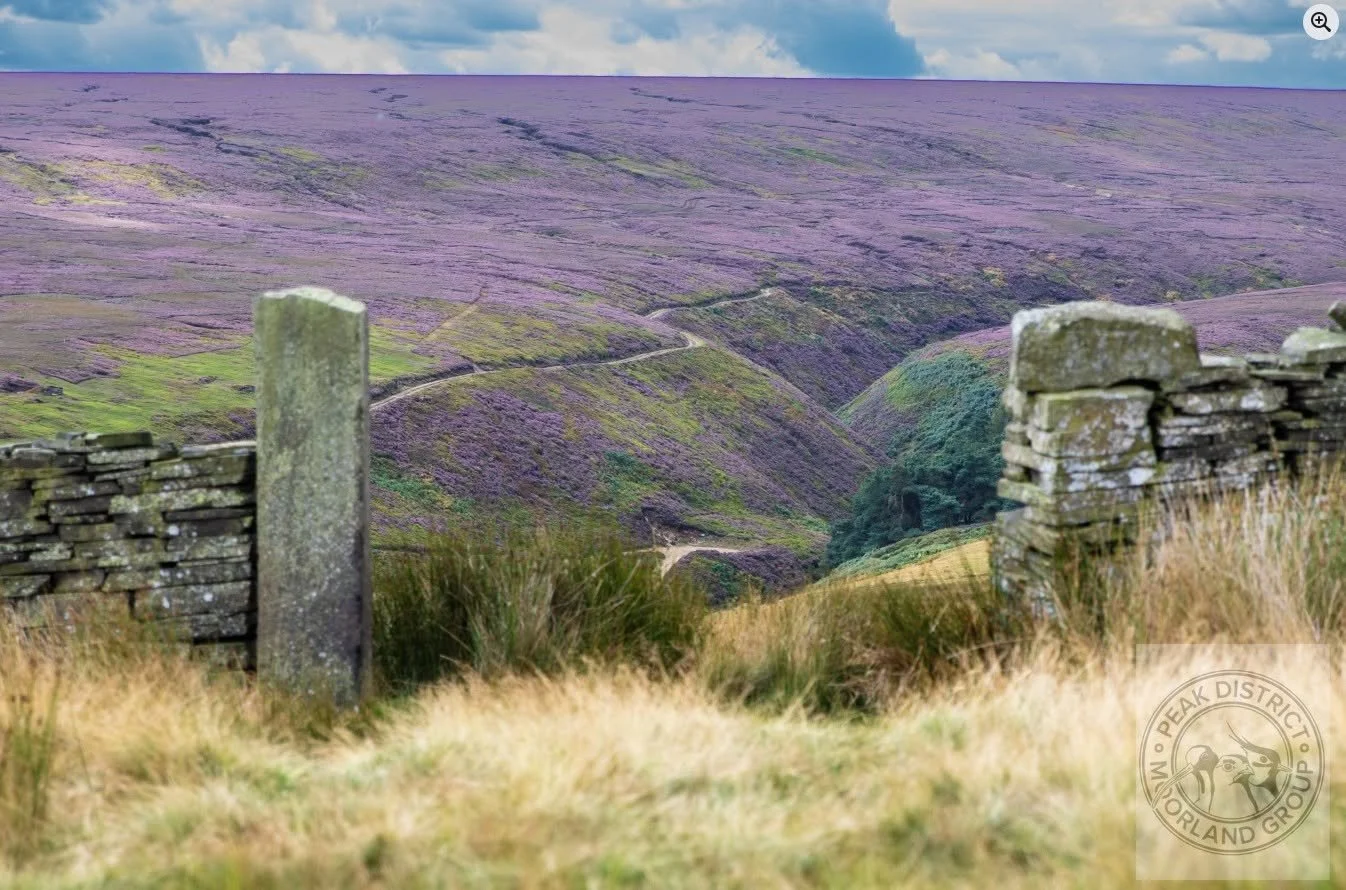
The programme also looked at what can be done on the moor itself. One workshop asked delegates to work from the same map and consider where firebreaks, changes to vegetation, or wetter ground might help limit the spread of fire. The National Gamekeepers’ Organisation was on the programme with a wildfire risk index that draws on observations from people working on the ground. A visit to Marsden Moor ahead of the conference was designed to show how the National Trust and its partners combine peatland restoration with efforts to prevent ignitions and spot fires early.
Writing in The Yorkshire Post after attending the conference, Harriet Ranson, the CLA’s Director North, argued that investment in firefighting needs to be matched by work to prevent fires and limit their spread. She made the case for ranger patrols and public education alongside rewetting, grazing, cutting, and prescribed burning where appropriate.
The discussion carried on in the Dark Peak on Friday. Peak District Moorland Group said they had met Bob, a wildfire practitioner from the United States, at Headingley and welcomed him onto the moor for a day of prescribed burning. It was a chance to compare experiences and talk through where burning, cutting, grazing, and rewetting fit into the work of looking after a moor.
There is work to do before next summer. Fire crews, farmers, and gamekeepers can walk the ground together, check which routes crews can use and where water can be brought in, and agree what work on the moor would help slow a fire if one breaks out.