
Why our upland way of life deserves Living Heritage status: a call to action for the countryside
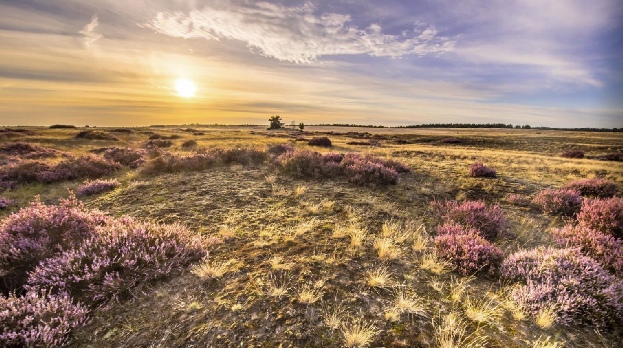
When you stand on a heather moor as it turns deep purple in late summer, what are you really looking at?
At first glance, it is one of Britain's most recognisable landscapes. A place where curlew call and lapwing rise from the rushes. A sweep of open sky and rolling hills that feels timeless.
But look a little closer and you will see something more powerful. You will see people.
You will see the keeper walking the boundary walls at dawn. You will see neighbours gathering as the season begins. You will see the dog handlers, beaters, flankers, caterers and the small rural businesses that quietly depend on those days in the field.
This is not simply countryside management. It is a shared tradition, alive, evolving and rooted in community. It has shaped our uplands for generations.
And now we have a rare opportunity to ensure it is recognised for what it truly is.
What is the UK Inventory of Living Heritage?
Most people are familiar with World Heritage Sites such as Stonehenge or the Lake District, places protected because of their physical importance.
But heritage is not only about landmarks. It is also about living traditions, the skills, customs and community practices that define who we are.
The UK has recently joined UNESCO's global Convention on the Safeguarding of Intangible Cultural Heritage. As part of that commitment, the government is creating an official Inventory of Living Heritage, a national list celebrating the country's most valued cultural traditions.
This includes everything from traditional music and rural crafts to long-standing community festivals. We believe Community Grouse Conservation deserves a place on that list.
Why Community Grouse Conservation qualifies as Living Heritage
For those who live and work in the uplands, grouse shooting has never been just about a single day on the moor. It is a thread that connects generations.
Community Grouse Conservation meets the very definition of Living Heritage because:
It protects traditional rural skills. Dry-stone walling, habitat management, dog handling and wildlife knowledge are practical skills passed from one generation to the next. Without active moor management, many of them risk disappearing.
It sustains biodiversity. Careful moorland stewardship creates habitat not only for grouse but for a wide range of species. It safeguards peat, supports ground-nesting birds and maintains the distinctive character of our hills.
It strengthens rural communities. In remote areas, shared work on the moor creates connection. It brings together people of different ages and backgrounds, reducing isolation and reinforcing community bonds.
It supports local livelihoods. From pubs and garages to accommodation providers and small suppliers, the economic ripple effect, often called the "purple pound", keeps rural services viable, particularly outside peak tourist months.
This is about cultural recognition
Inclusion on the UK Inventory of Living Heritage would not simply be symbolic.
It would acknowledge that our uplands are not empty spaces or abstract policy debates. They are cultural landscapes shaped by the people who live, work and care for them.
It would formally recognise the role of the gamekeeper, the beater, the farmer, the local business owner and ensure their contribution is part of our national story.
Most importantly, it would help safeguard this way of life for future generations.
That means real voices from keepers, farmers, beaters, flankers, dog handlers, business owners and residents saying: "This is part of my heritage. I want it recognised."
We are building a record of that support.