
When Wildfire Struck the North York Moors, Keepers Held the Line
The largest wildfire in the history of the North York Moors National Park burned for weeks last summer, scorching ten square miles of moorland and forestry. Behind the scenes, it was the local knowledge of upland gamekeepers that helped bring it under control.
The Langdale Forest and Fylingdales Moor blaze was declared a major incident on 12 August 2025. It began in forestry before moving onto open moor, and although crews initially contained it, the fire reignited over the August Bank Holiday weekend. Within hours, the burn area grew from 1,000 acres to 5,000.
Among those called in was Jeff Cairnduff, head keeper on neighbouring Sleights Moor. By the time he arrived for his second shift, smoke was visible for miles and the fire had broken through containment lines.
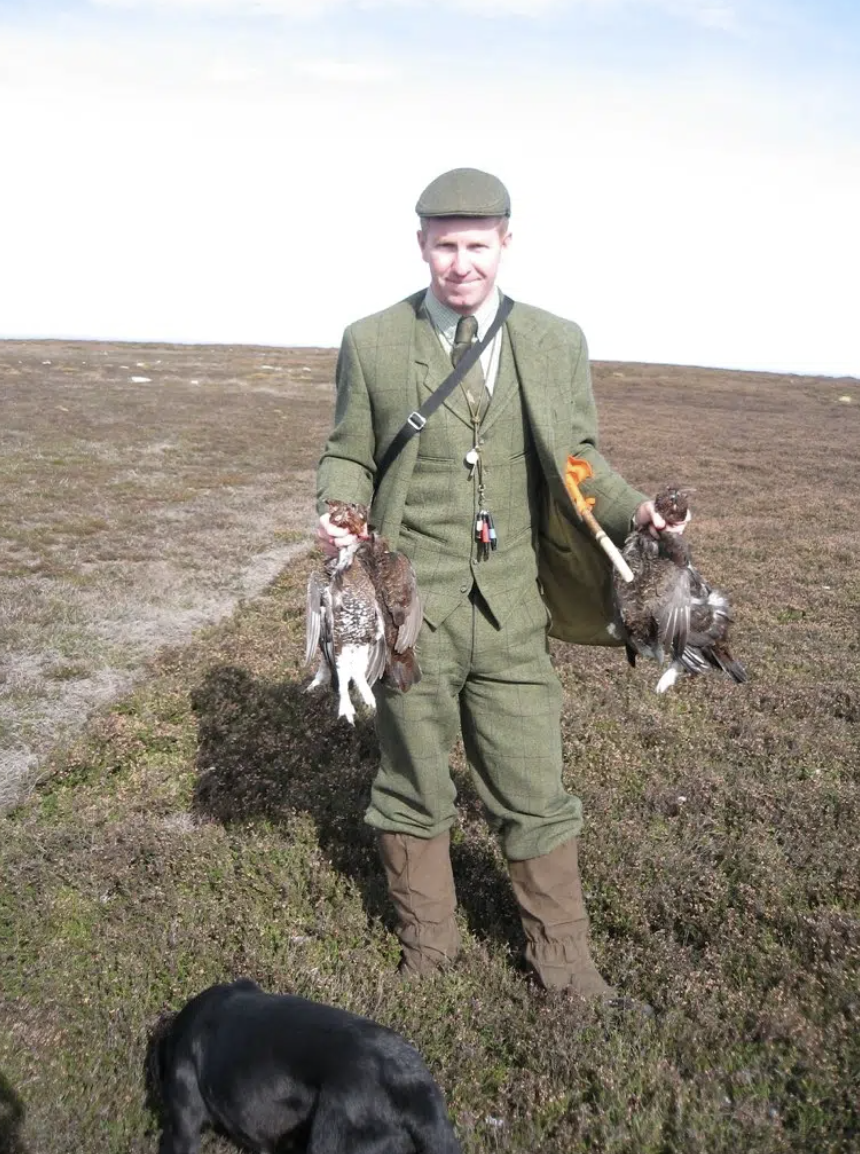
Jeff Cairnduff, head keeper on Sleights Moor
Keepers drew on their understanding of the landscape to direct the fire and limit its spread. Working through the night in his tractor, Jeff cut firebreaks while other keepers carried out controlled backburning. Farmers pumped water from nearby sources. Together, these efforts kept the blaze away from homes, farms and businesses.
The risks were considerable. Unexploded ordnance from the Second World War remained a hazard in parts of the moor, on top of extreme heat and unpredictable conditions.
The response required close cooperation with fire crews. Keepers had to make the case for backburning as a firefighting technique before crews accepted its use. Their grasp of how fire moves across moorland, where access points lie and where water can be drawn proved essential, and in places they were called on to guide aerial operations.
Recovery is now underway, but full restoration of the affected habitats could take up to 15 years. The total cost of the fire, taking in environmental damage, firefighting resources and economic loss, is estimated at £26 million. Across the UK, wildfires cost £460 million in 2025.
Those who tackled the fire believe its scale was linked to a build-up of unmanaged fuel. Hot weather and strong winds drove the spread, but the absence of regular management gave the fire fuel to burn.
That concern sits at the heart of the wider debate about controlled burning. Recent changes to burning regulations, including the extension of restrictions on deeper peat, risk reducing the number of people with the practical skills needed to manage moorland safely. BASC head of uplands Alex Farrell has described the policy as "contradictory and ill-conceived", arguing that upland managers need more tools to reduce fire risk, not fewer.
Keepers involved in the response say practical experience cannot be replaced by classroom training and have offered to share their expertise with fire services, though progress has been slow.
As hotter, drier summers become more frequent, the threat of large wildfires on British moorland will only grow. Without active management, including controlled burning where it is appropriate, those who work the uplands warn that fires on this scale will happen again.