
The Heroes Helping Fire Services Fight Wildfires
Around 19 wildfires remain alight across the country as the heatwave that has gripped Britain over recent weeks shows little sign of easing. Fire and rescue services are facing unprecedented levels of demand and are rightly receiving widespread praise for their extraordinary efforts.
However, another group of rural heroes is also playing a vital role in limiting the destruction. Gamekeepers, farmers and land managers across the country are working tirelessly alongside emergency crews to contain the blazes. The National Gamekeepers’ Organisation’s Wildfire Risk Index has placed all moorland areas at extreme risk, illustrating why firefighting resources are being stretched so thinly.
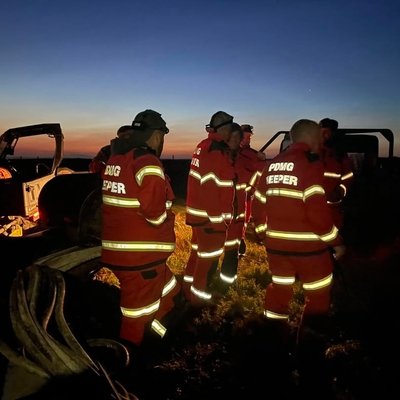
Peak District gamekeepers on a nightshift
Keepers from the Peak District Moorland Group have been working day and night on the Arnfield and Crowden wildfire. The blaze has burned for more than three weeks and devastated a vast area of moorland. Wildfires pay no regard to ownership boundaries, but local gamekeepers have united to tackle the immense fire with considerable bravery.
Working alongside Greater Manchester Fire and Rescue Service, they are employing every available tactic to halt its advance. Firefighters provide specialist emergency expertise, while gamekeepers contribute detailed knowledge of the terrain, access routes and changing conditions on the ground. Together, they are mounting a far more effective response than either group could deliver alone.
Firebreaks have been created to slow the blaze’s progress and limit further destruction. Although effective, this inevitably damages sections of the landscape. It once again raises the question of why gamekeepers and those who manage the moorlands are not given greater opportunities to reduce the likelihood of severe fires through carefully controlled burning and other preventative measures.
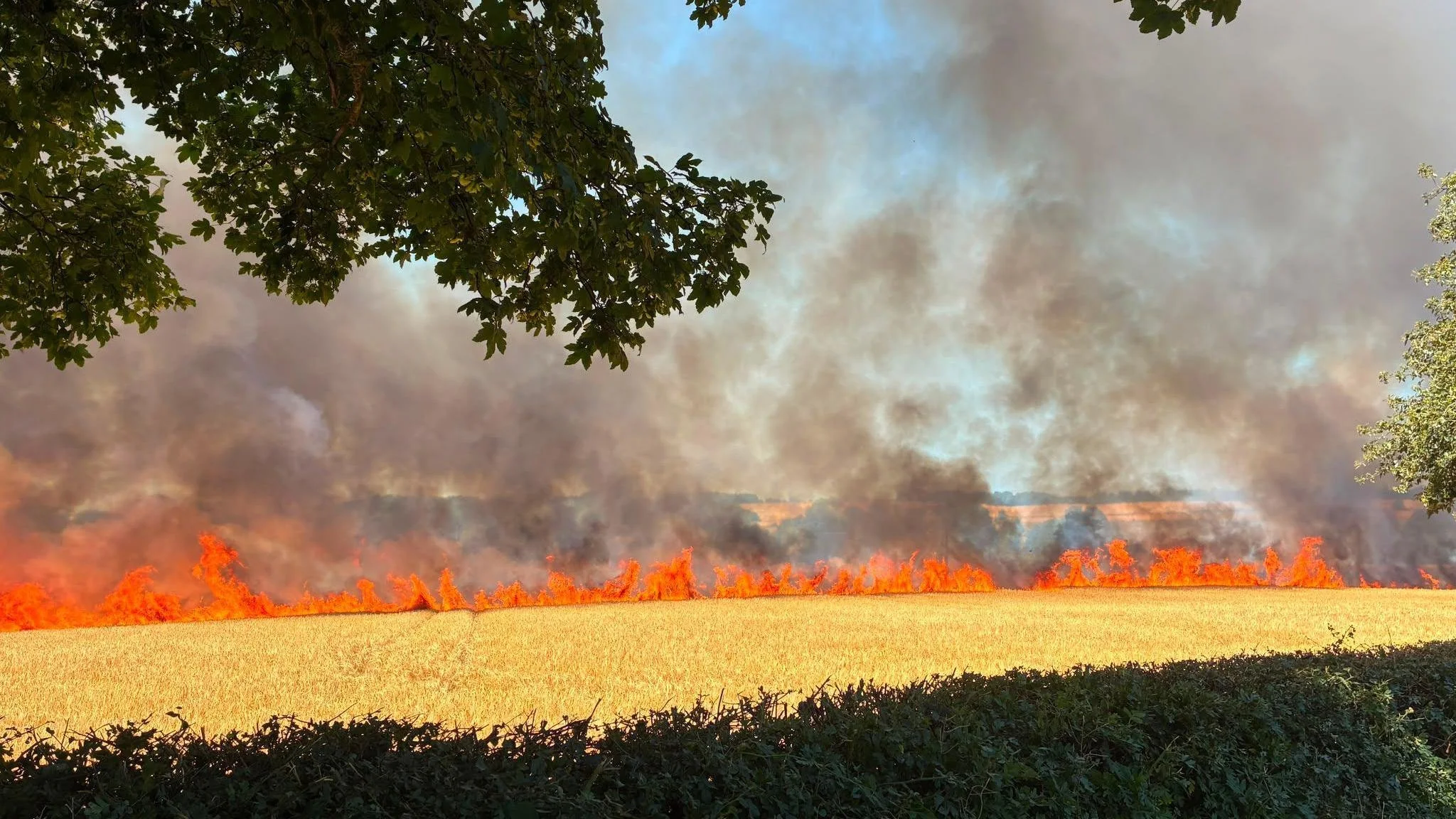
Wildfire started by suspected arson
Several factors combine to create and intensify wildfires. Many within rural communities believe Whitehall’s disconnect from those who manage the moorlands has contributed to the accumulation of combustible vegetation across Britain’s uplands.
Merseyside arable farmer Mr Harrison said he could see smoke from the Saddleworth and Conwy fires from more than 40 miles away. He echoed a widely shared view among rural communities, stating: “Gamekeepers used to do controlled burns, and you had natural firebreaks … but now people who haven’t left the M25 are trying to tell us what needs to be done, but don’t understand what the reality is.”
Perhaps this summer’s devastating fires will encourage policymakers to reconsider their approach.
Public negligence and suspected arson have also been linked to several recent incidents. While Government policy may influence how rapidly a wildfire spreads, the initial spark is often an entirely separate matter.
A group of teenagers were reportedly lighting fireworks to commemorate the death of a friend when the Dove Stone fire began, while two teenagers were arrested on suspicion of arson following a wildfire in Acomb.
Reform UK councillor Keiron Lawrence, who represents Ashton Hurst, told the BBC that he did not believe anyone had intended to start the fire, but stressed that “intent does not remove responsibility”.
He added that “a single reckless act can have devastating consequences for wildlife, the landscape, nearby communities and the emergency services”. His words, alongside the recent arrests, should serve as a stark warning to anyone tempted to behave irresponsibly around the moors this summer.
Negligence, ineffective policy and extreme heat combine to create an immense challenge for firefighters, both in and out of uniform. When one major wildfire breaks out, another is often close behind. This stretches already limited resources further and reduces the ability of fire and rescue services to concentrate personnel and equipment on individual locations.
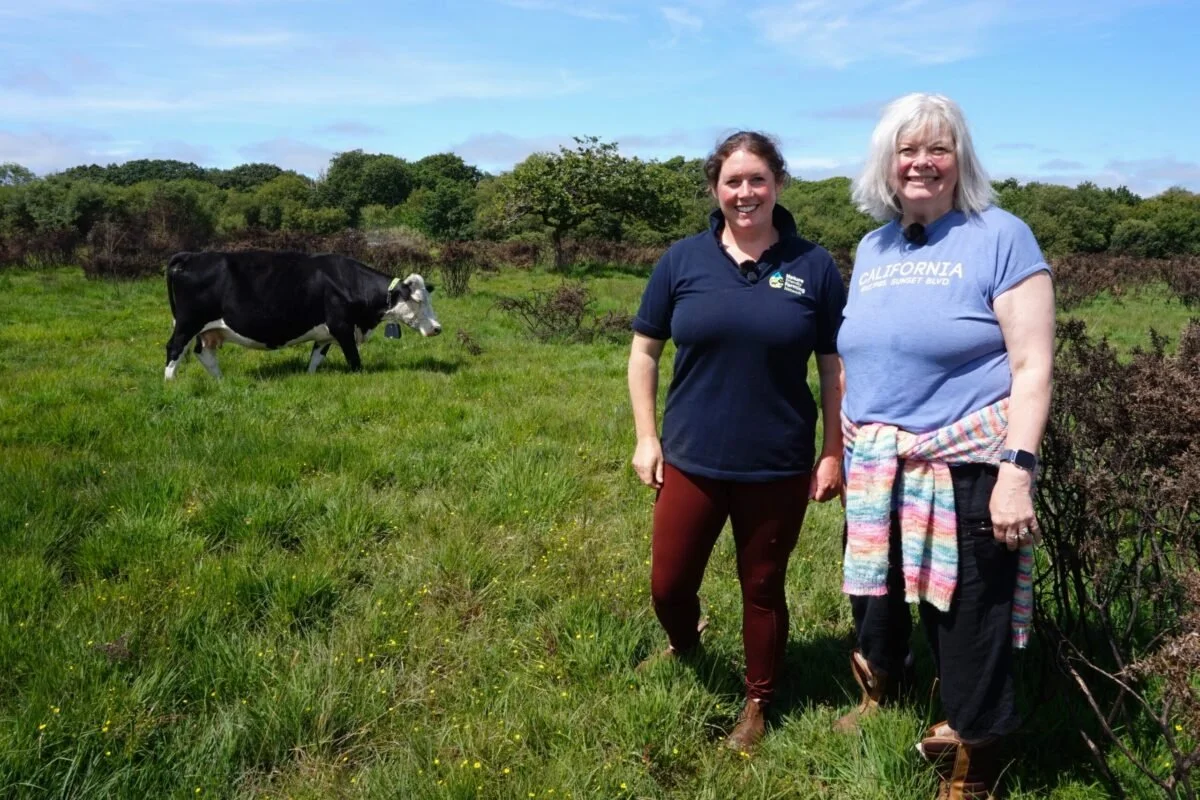
Cowtan Scheme in action
Farmers and gamekeepers also possess an often-overlooked tool for mitigating wildfire risk: livestock. Hill farmer and gamekeeper James Crowther, whose family has grazed sheep on Saddleworth Moor for almost 70 years, joined neighbouring land managers to tackle the fire overnight on Sunday. He believes reduced grazing has allowed combustible vegetation to accumulate, warning that the moors are now “a ticking time bomb” with few natural firebreaks.
Cattle and ponies can also reduce these fuel loads before fires begin. On Gower Common in South Wales, the community grazing scheme ‘Cowtan’ uses cattle to graze on Molinia, a highly combustible grass. Similar projects demonstrate how traditional land management can reduce wildfire risk and make the job of firefighters considerably easier.
Farmers and gamekeepers continue to deliver in Britain’s battle against wildfires, but they cannot shoulder the burden indefinitely. As climate change contributes to hotter and drier summers, the country’s moorlands are likely to become increasingly vulnerable.
Yet every wildfire still requires an ignition source. Public adherence to wildfire warnings and countryside guidance is therefore essential. Equally, the Government must decide whether it wishes to continue fighting increasingly destructive wildfires or place far greater emphasis on preventing them from starting and spreading in the first place.