
Pennine Way Finally Reopens After Week-long Tintwistle Moor Wildfire. But The Threat Below Remains
A week has passed since the wildfire on Tintwistle Moor broke out. Whilst the damage has been done, Derbyshire Fire and Rescue Service’s (DFRS) persistent efforts to defeat the flames have finally succeeded as the blaze has been reduced to a few controlled hotspots. As the fire above the surface is brought under control, an unavoidable question remains: could this wildfire have been prevented in the first place?
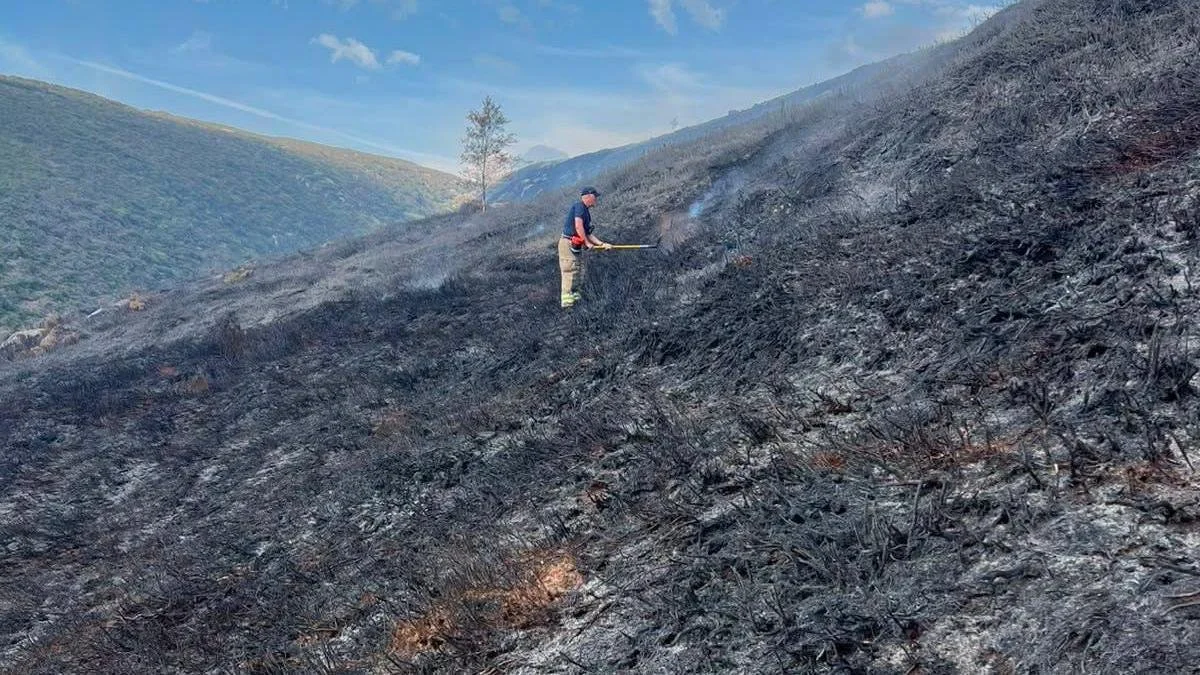
The blaze on the Peak District took a week for the DFRS and other emergency services to bring to a halt. One would be wrong to assume it was just moorland that went up in flames, as last week’s heatwave caused the fire to spread to woodlands across the moor, increasing carbon dioxide emissions while making the blaze more difficult to contain.
However, what the press describes as controlled hotspots are actually sections of deep peat soil burning away. Hence, whilst the DFRS have expertly reduced the fire above the surface, there is a hidden danger that lies beneath. Not only is the continued smouldering a danger, but is releasing vast quantities of carbon into the atmosphere.
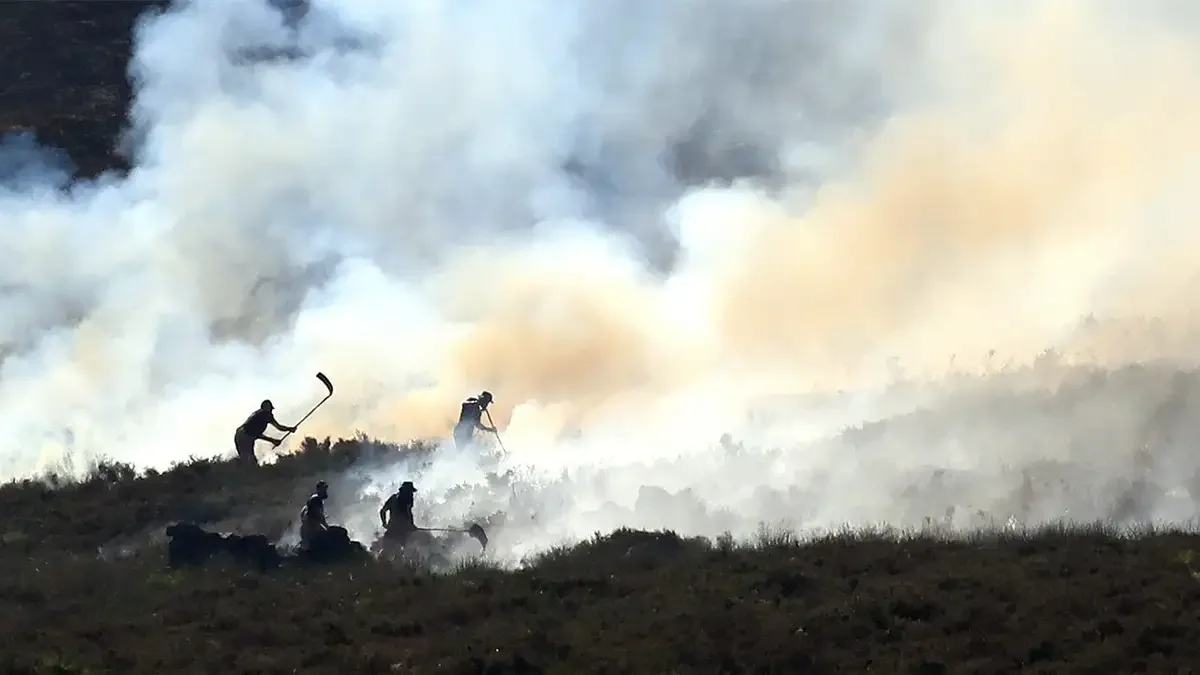
Roughly 200 hectares of land was affected by the blaze on Tintwistle Moor, just north of Glossop. The DFRS’s efforts to control the fire have been nothing short of heroic, with crews persevering through what the BBC described as “extremely challenging conditions”.
However, serious questions are being raised across the moorland about the ongoing management. The site is managed by the RSPB, yet there are calls to understand why a properly equipped team has not been mustered to deal with the burning peat.
While effective mitigation remains essential, greater emphasis should be placed on preventing these fires in the first place, and that means involving those who are most familiar with the moors: gamekeepers. This destructive fire provides further evidence that controlled burning carried out by gamekeepers will significantly reduce the risk of major wildfires like this occurring again. This would reduce the risk not only to the public but also to fire and rescue services.
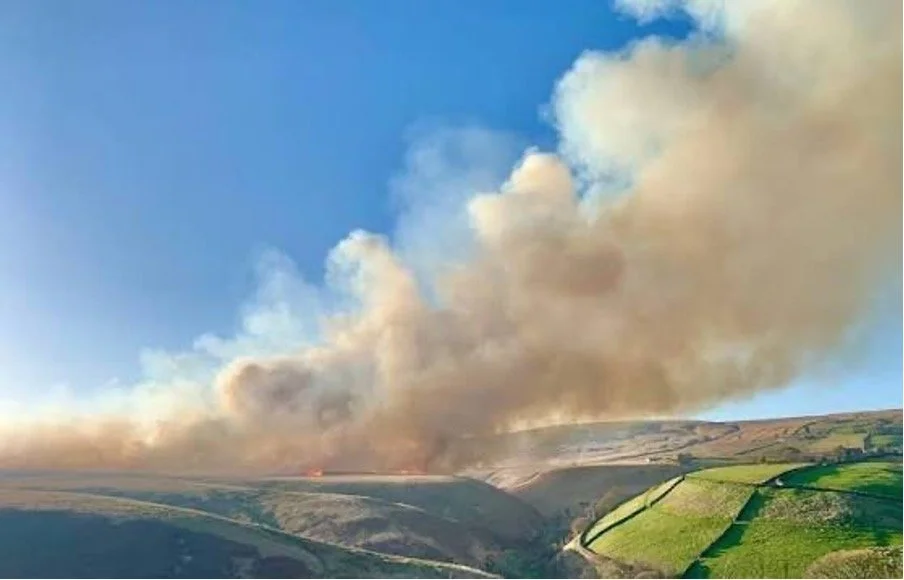
The persistence of the Tintwistle Moor fire has created an array of hazards and inconveniences for local rural communities. With the A628 Woodhead Pass having been closed for over 24 hours at the height of the blaze and plumes of smoke plaguing local villages, it has been far from a normal week for those who reside near the moor. Not to mention the vast damage done to the wildlife that inhabits the moor.
Yet the damage inflicted from this fire is nothing new to most moorland communities and the same consequences will persist unless the moors can be effectively rid of vulnerable vegetation through controlled burning.
Consequently, a question sits at the forefront of moorland and rural communities: why are those who protect and manage our moors not given the opportunity to use the land management practices that reduce the risk of these blazes occurring again? Current policy increasingly restricts gamekeepers and the land management practices they employ. How many wildfires will it take for those at Westminster to realise the root of the problem?