
A Morning on the Moors and a Rare Nightjar Sighting in the North Pennines
A group of wildlife enthusiasts joined a North Pennine moorland keeper out on the moor earlier this week to discover all that our uplands have to offer. The morning saw a wide range of species spotted and gave visitors the chance to see first hand how these landscapes are managed. Visits like these are a valuable reminder of just how much life our moors support, and of the dedicated work that helps it thrive.
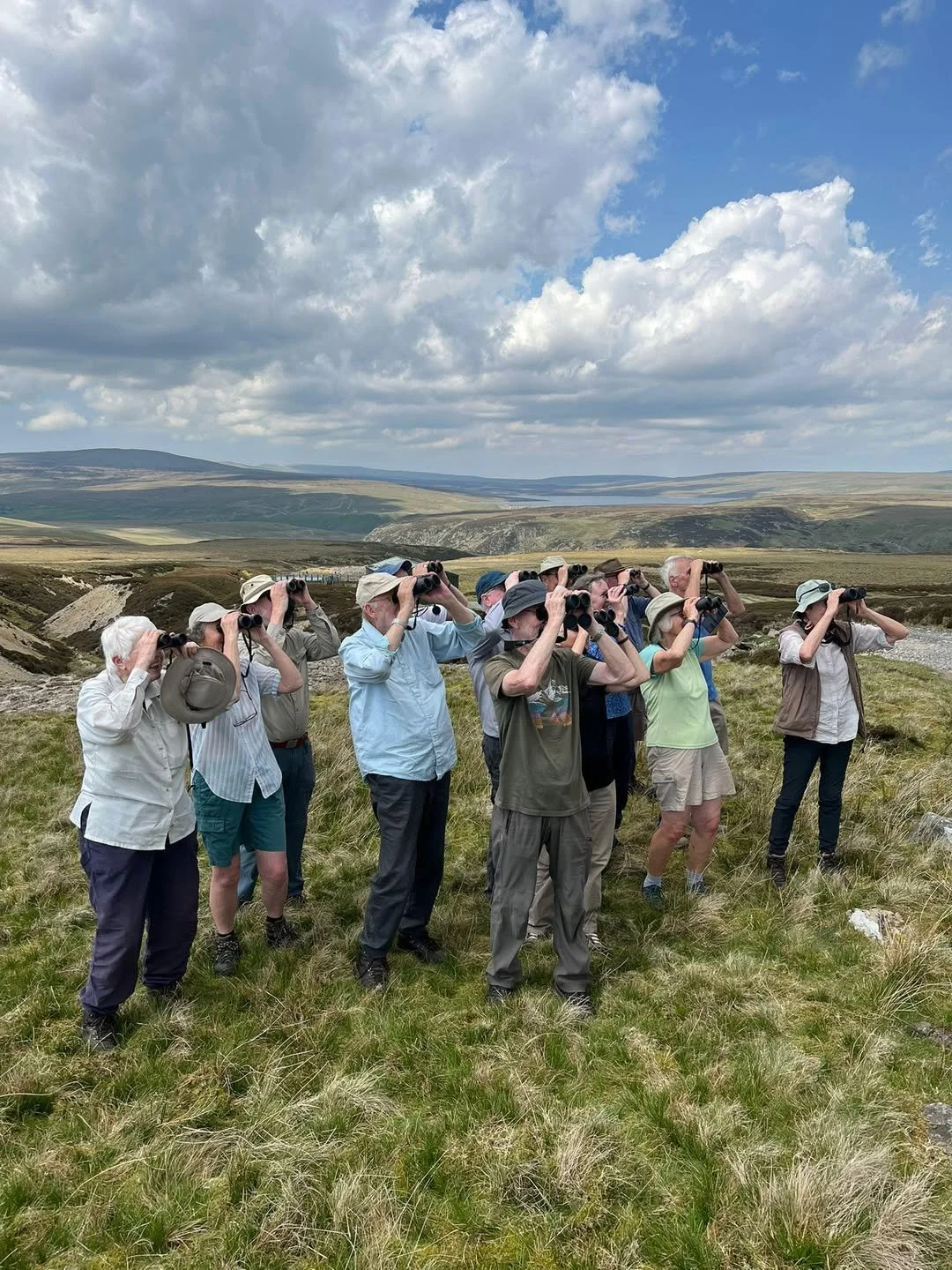
The same expert knowledge that guides these visits also leads to some genuinely rare encounters. Using thermal and night-vision imaging scopes, a local gamekeeper was recently able to observe the elusive nightjar. These remarkable birds are masters of camouflage and are far more often heard than seen, with their distinctive churring call carrying across the moorland on warm summer evenings.
Nightjars are long-distance migrants, travelling thousands of miles from sub-Saharan Africa to the UK each spring to breed, before making the return journey at the end of summer. They are also unusual in that they feed almost entirely on moths and other flying insects, catching them on the wing with their wide mouths and silent, owl-like flight. To see one at all is a privilege, and to capture a sighting through specialist imaging equipment is a real testament to the knowledge and patience of those who work these landscapes day and night.
It is no coincidence that species like the nightjar can be found here. The careful, year-round work of gamekeepers and moorland managers creates exactly the kind of habitat these birds need to flourish. Predator control, heather management, and the maintenance of a healthy mosaic of moorland habitats all play their part in giving ground-nesting and migratory species the best possible chance to breed successfully. The same equipment that allowed this sighting, thermal and night-vision scopes, is part of the modern toolkit gamekeepers use to monitor wildlife, manage predators responsibly, and build a detailed picture of the species sharing our moors.
The thriving wildlife on our moors does not happen by accident. It is the result of generations of expertise, hard work, and a deep commitment to conservation. Whether welcoming visitors for a morning walk or quietly observing rare birds long after dark, gamekeepers remain at the heart of everything that makes our uplands so rich in life.