
Warm Weather and Dry Ground Bring Soaring Wildfire Risk
Following a Bank Holiday weekend of high temperatures and dry ground conditions across the uplands, moorland communities are urging visitors to continue taking the wildfire threat seriously and to behave responsibly in the countryside as the warm weather persists.
Warm weather combined with dry vegetation creates the perfect conditions for grass and moorland fires to take hold. Even with the prospect of light rain in places, the risk remains acute. A single careless act – a discarded cigarette, an abandoned disposable barbecue, a campfire left unattended – is all it takes to set hundreds of acres of moorland ablaze, with devastating consequences for wildlife, habitats and the rural communities who live and work on the land.
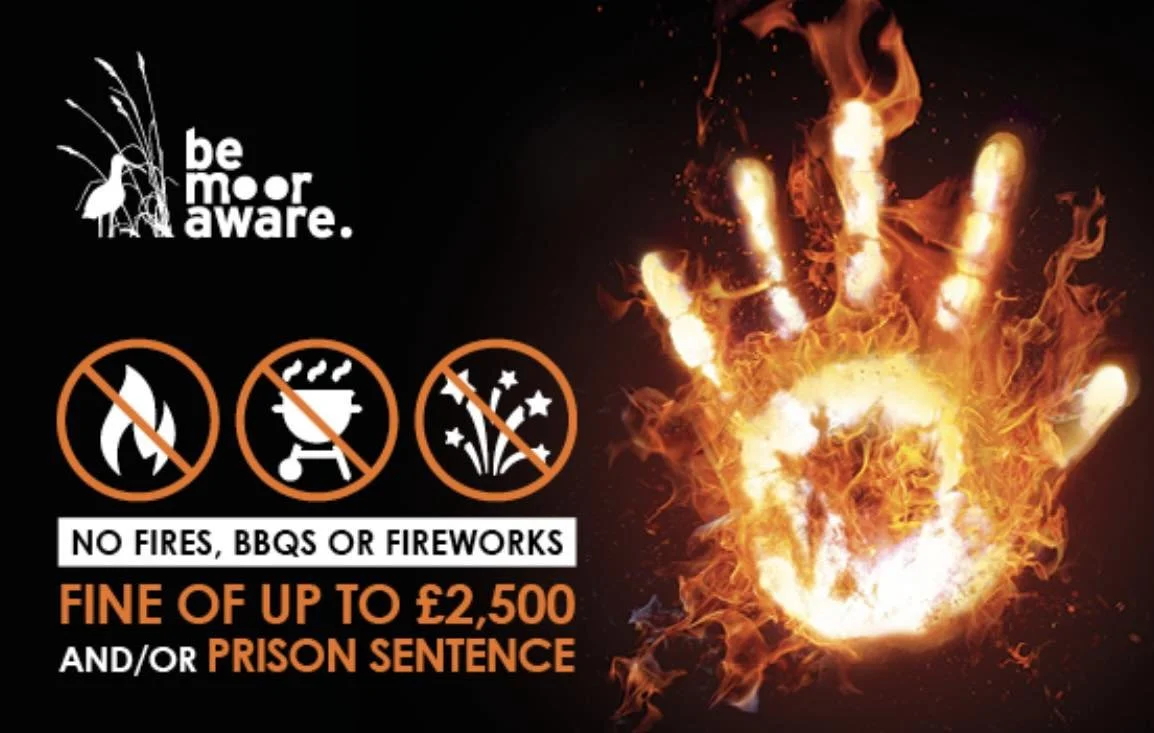
Simple Steps to Protect the Moors
The message from gamekeepers, land managers and emergency services is consistent and unambiguous. Anyone heading into the National Parks and onto the moors over the coming days is asked to follow a few straightforward rules:
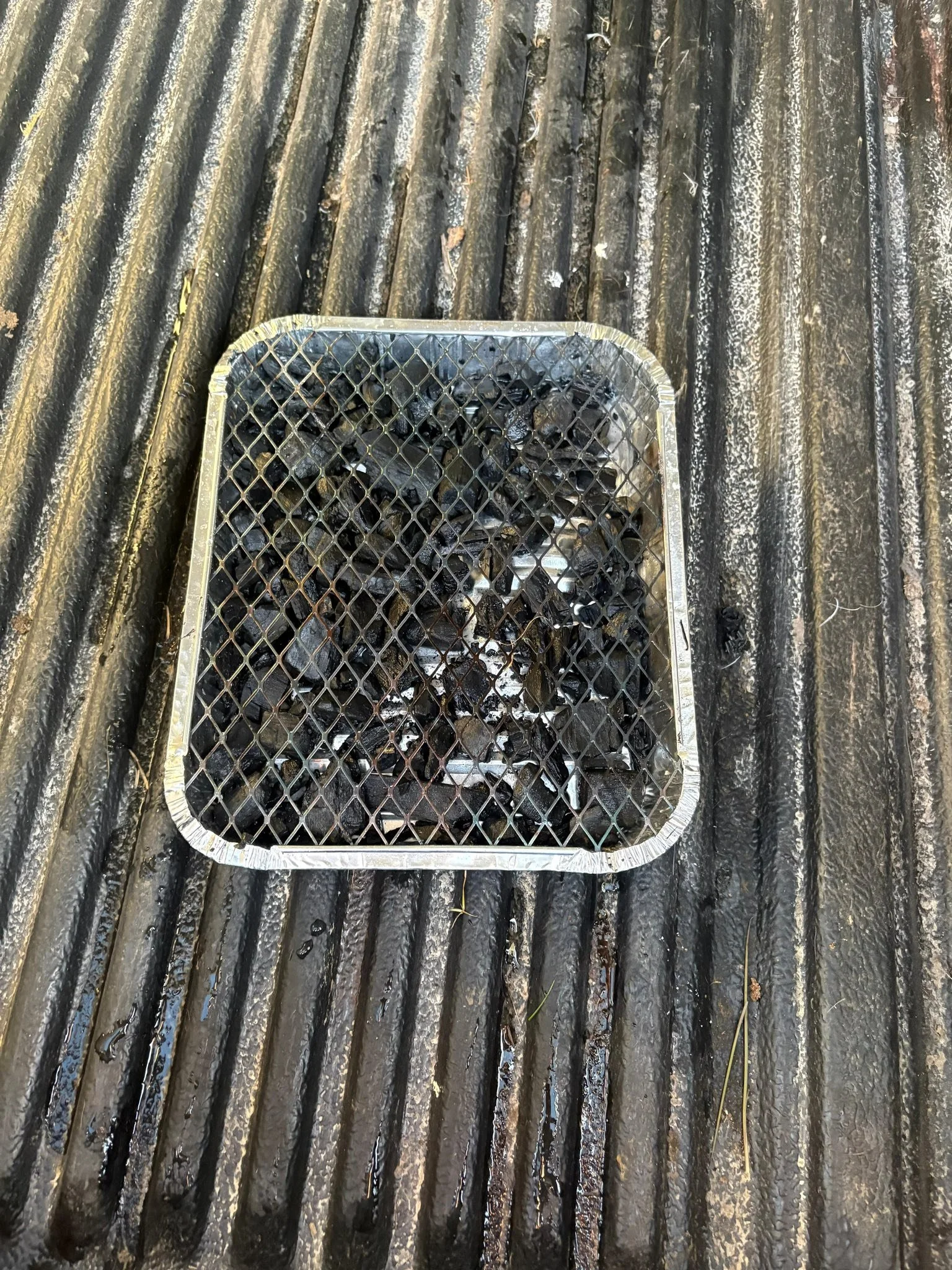
No barbecues on grass or moorland under any circumstances. Disposable barbecues are a particular menace and have been responsible for some of the most destructive wildfires of recent years.
No smoking on moorland walks. A large fire can be started by a single cigarette.
Take all litter home. Glass bottles can magnify sunlight and ignite dry vegetation.
Walk dogs early in the morning or late in the evening, when temperatures are cooler, and keep them on a short lead at all times to protect ground-nesting birds.
Park responsibly, ensuring fire engines and ambulances can pass freely along narrow rural lanes.
If you see a fire, call 999 immediately. Do not assume someone else has already raised the alarm.
Gamekeepers on the Front Line
Across the uplands, gamekeepers have been stepping up patrols in an attempt to prevent wildfires before they start. In the Forest of Bowland, keepers spent the Bank Holiday driving the roads, watching for visitors lighting barbecues and intercepting fires before they could take hold.
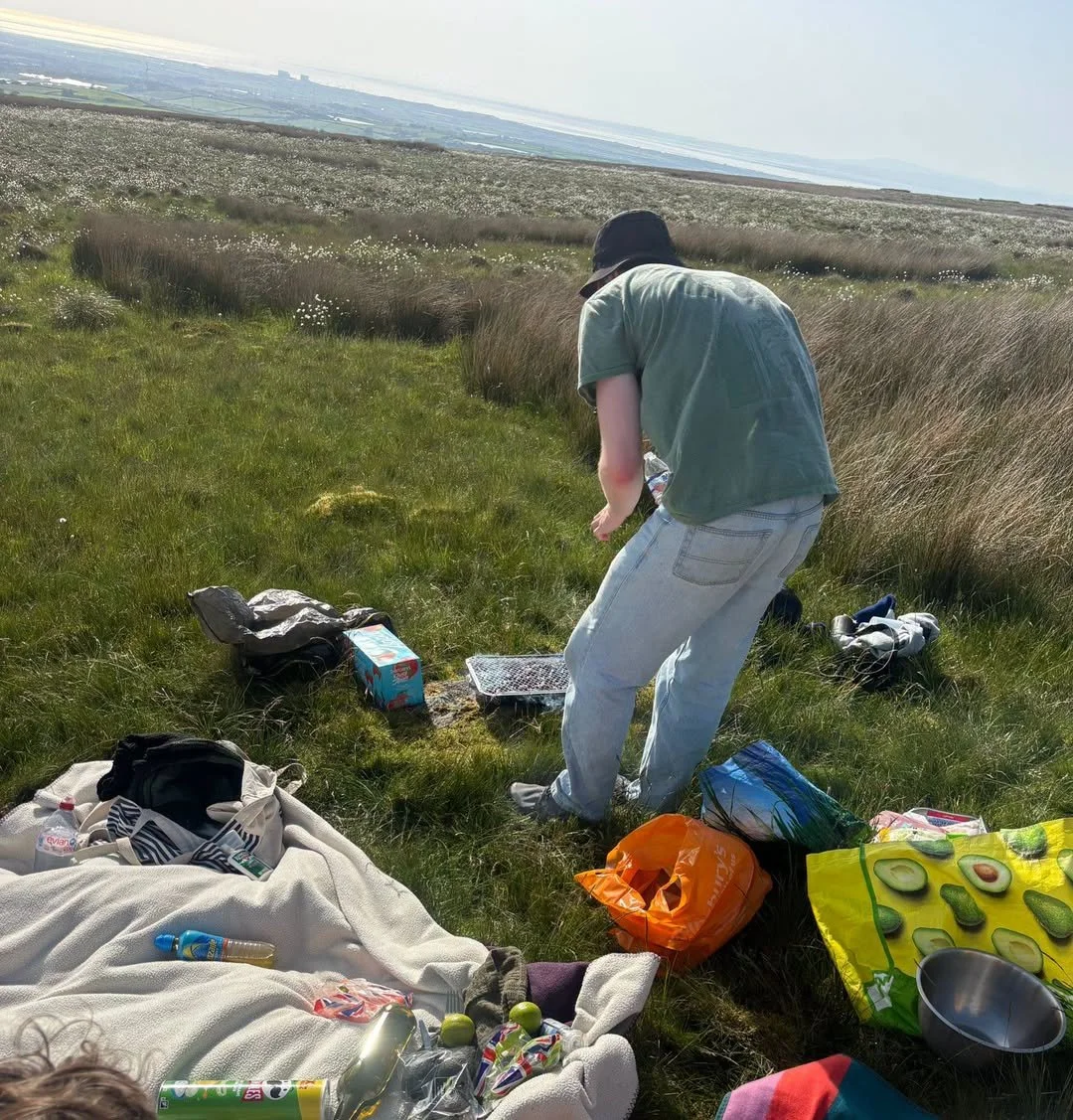
The frustration in those communities is palpable. One keeper, reflecting on yet another weekend of preventable incidents, summed up the mood: people drive out to enjoy beautiful landscapes and wildlife, then decide a barbecue is a good idea – often parked right beside a sign warning them not to. Wildfires have dominated the news and social media for weeks, and yet the same scenes play out every Bank Holiday.
Why It Matters
Moorland fires are not like fires in other landscapes. Once a blaze reaches the peat beneath the surface vegetation, it can smoulder for weeks or even months, releasing vast quantities of stored carbon and causing damage that takes decades to recover. Curlew, golden plover, lapwing, merlin and black grouse all nest on the ground at this time of year, and a single wildfire can wipe out an entire season's young in a matter of hours.
The communities who live in these landscapes bear the brunt when things go wrong. The fire crews who attend these incidents are stretched thin, and every engine sent to a moorland blaze is one that cannot respond to an emergency elsewhere.
Help us look after these special places and the communities who call them home. Leave the barbecue at home, take your litter with you, watch where you tread and report any sign of fire immediately.