
Black grouse leks reach peak in north Pennines uplands
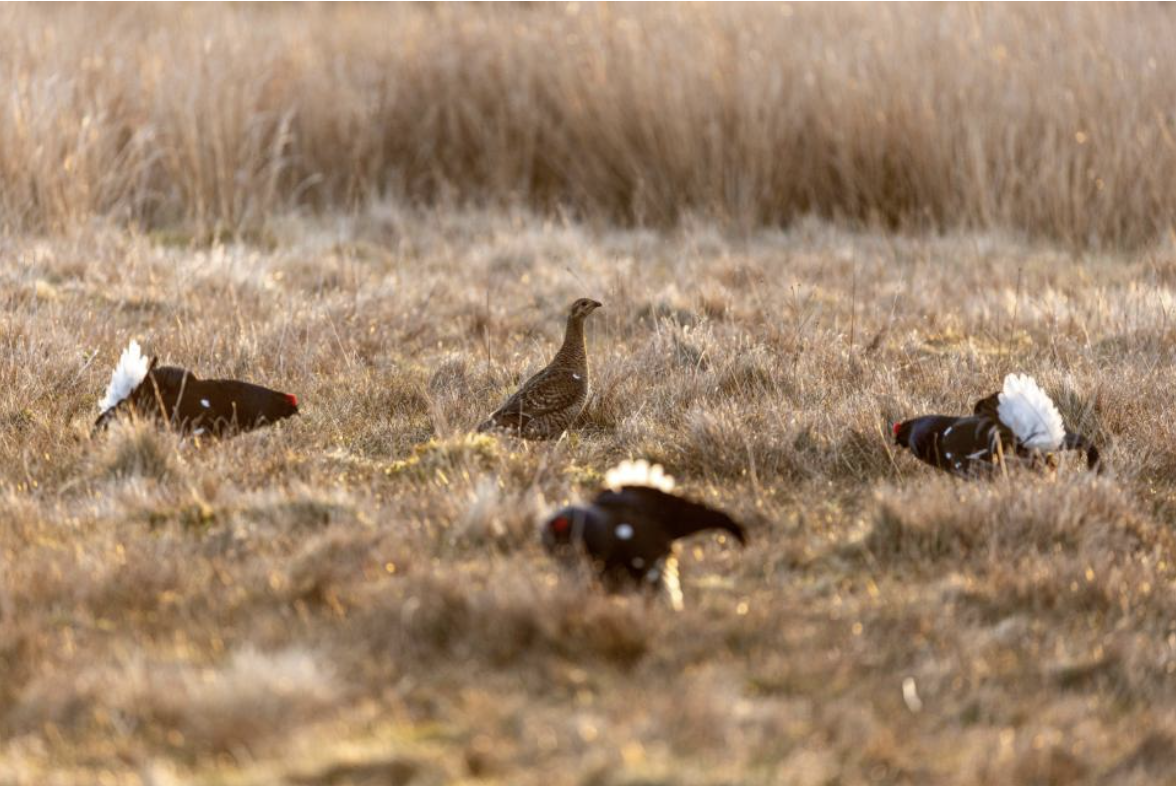
Black grouse are putting on one of the uplands’ most spectacular seasonal displays, as their lekking season reaches its peak across the north Pennines, it has been revealed.
The dramatic display involves male black grouse, or “cocks", gathering at dawn and dusk to compete for the attention of females through calls and elaborate posturing.
Best observed in areas where moorland, rough grazing, and woodland edge meet, these birds are now largely confined to a few strongholds due to long-term population declines.
The north Pennines has become one of their last bastions in England.
A spokesperson for the North Pennines Moorland Group said: "What is happening here in the uplands is benefiting a wide range of species, and we are seeing positive trends where others are experiencing decline.
"None of this work is funded by the taxpayer.
"It is delivered day in, day out by gamekeepers and farmers working alongside one another, and it relies on continued, active management.
"We cannot imagine a spring without the call of the curlew, the display of the lapwing, the drumming of snipe, and the bubbling of the black grouse.
"These sounds define the uplands, and the return of the lek each year is a powerful reminder of what can be achieved through careful management and a shared commitment to the land."
Last year saw a strong breeding season in Teesdale, Weardale, and the Allen Valleys, with conservationists and land managers noting an increase in black grouse numbers.
The Game & Wildlife Conservation Trust is among the organisations monitoring these trends.
The black grouse is a red-listed species in the UK.
Their habitats are maintained through a combination of farming, conservation, and gamekeeping, which also benefits other declining upland birds.
Many ground-nesting birds are now incubating eggs or rearing young as the landscape shifts into its spring phase.
The emerging signs of the breeding season serve as a reminder of the delicate balance and teamwork required to sustain these ecosystems and the species that depend on them.
This article originally appeared in The Northern Echo.