
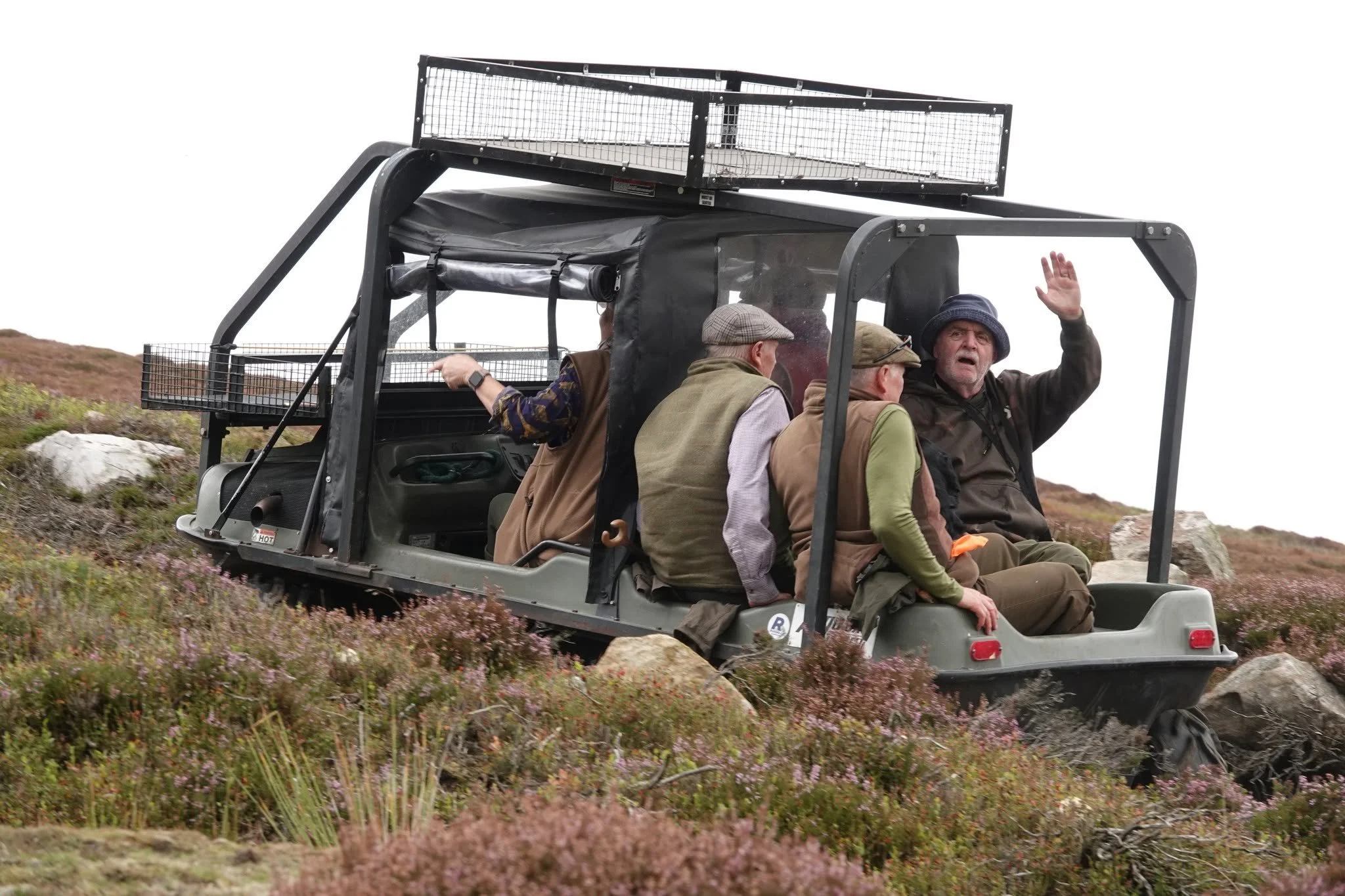
The grouse season so far has not disappointed, with healthy numbers experienced across the uplands. The Yorkshire Dales Moorland Group (YDMG) has enjoyed a particularly successful season, with the treasured birds reaching top restaurants after guns and beaters alike have enjoyed fantastic days on the moors. Yet the success of the season is also about the community behind it. The Yorkshire Dales National Park Authority estimates local grouse shooting is worth around £6 million a year, supporting around 50 full-time-equivalent grouse keepers and 100 full-time-equivalent shoot-day roles.
A shoot day brings together people from almost every walk of life. Among those heading onto the Yorkshire moors this season to beat have been tree surgeons, students and bankers. Their professions could hardly be more different, yet on the moor those distinctions become largely irrelevant. A typical Yorkshire Dales grouse shoot requires around 25 to 30 people to work on the day, all united by a shared enjoyment of the countryside and the traditions that surround it.
Visiting guns often return year after year, building relationships with keepers, beaters and local staff. In a normal season, around 350 grouse shooting days take place across the Yorkshire Dales, creating repeated opportunities for old friends to catch up and new friendships to form.
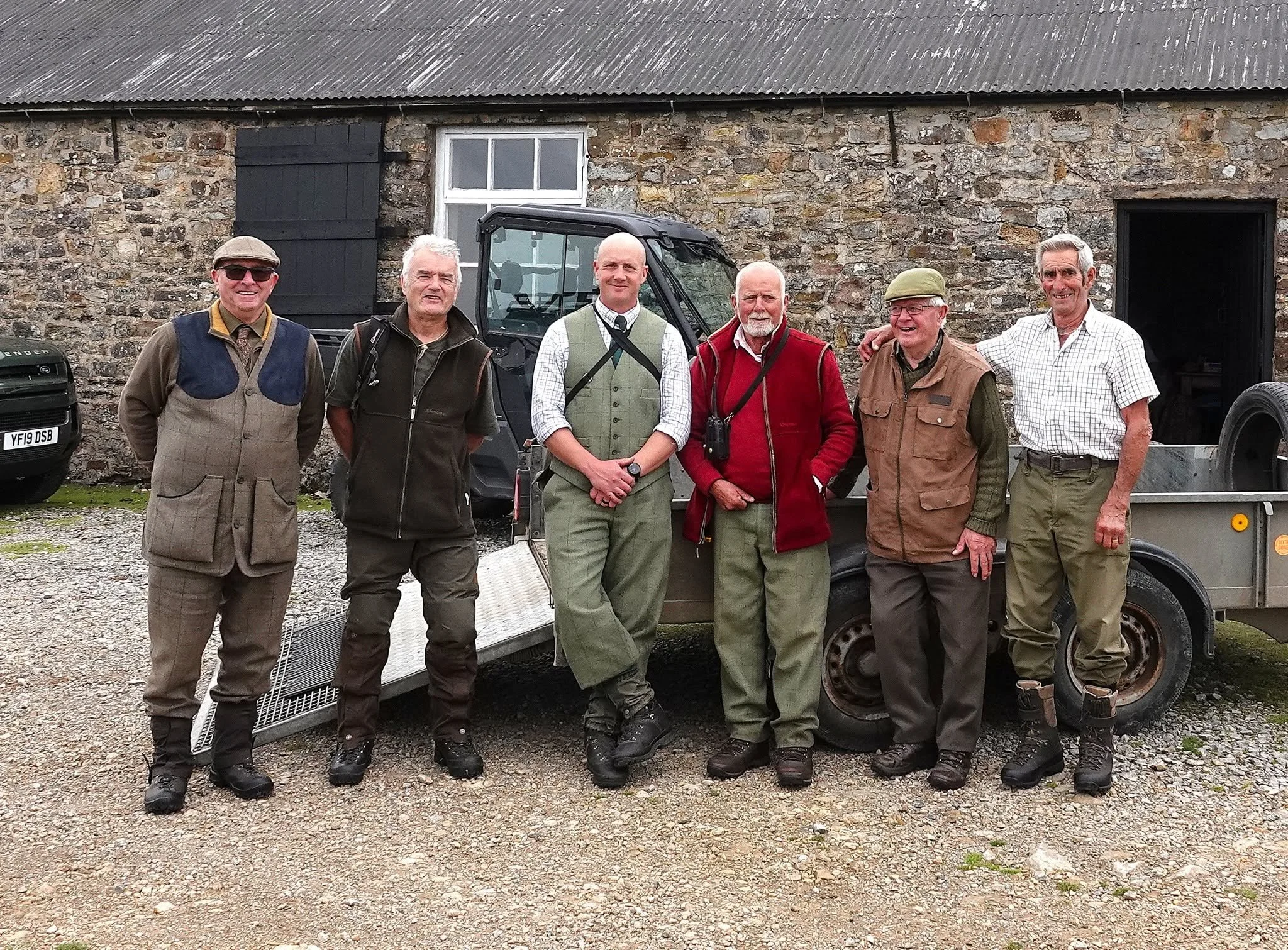
For older members of rural communities, the importance of these days can run deeper still. Government rural statistics show that more than a quarter of England’s rural population is aged 65 or over, while the latest Community Life Survey found that around one in twenty rural adults felt lonely often or always. Shoot days are not a cure for loneliness, but they provide regular social interaction and a sense of belonging. The YDMG has described how, for some senior beating and flanking crews, that companionship can be particularly important through retirement, bereavement or isolation.
The social value is also intergenerational. Younger beaters spend the day alongside people who have worked and lived around the Dales for decades, hearing old stories and local knowledge between drives. It is this recurring mix of generations that helps preserve the character of the Yorkshire Dales shooting community, while giving people a regular opportunity to reconnect with familiar faces.
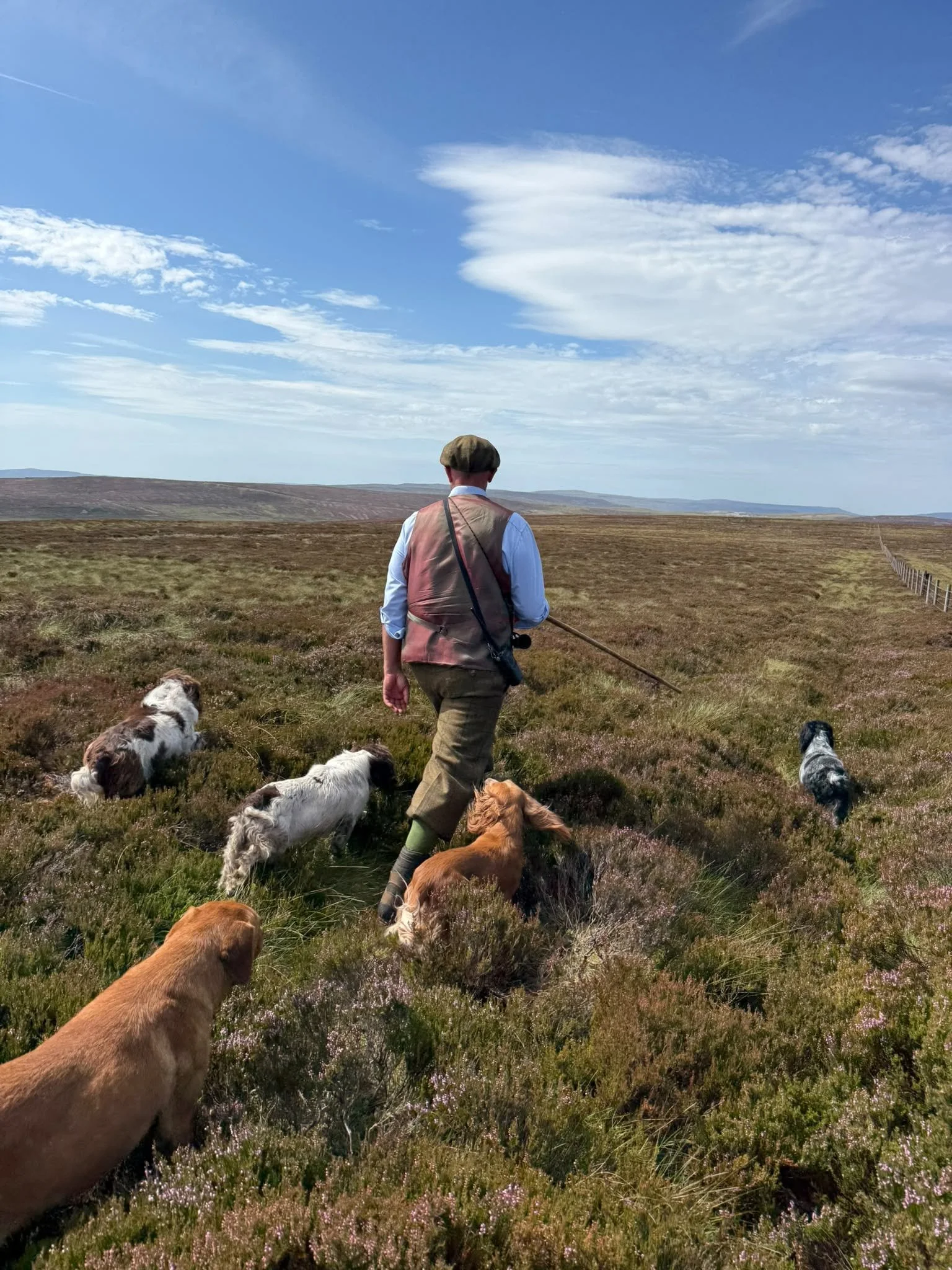
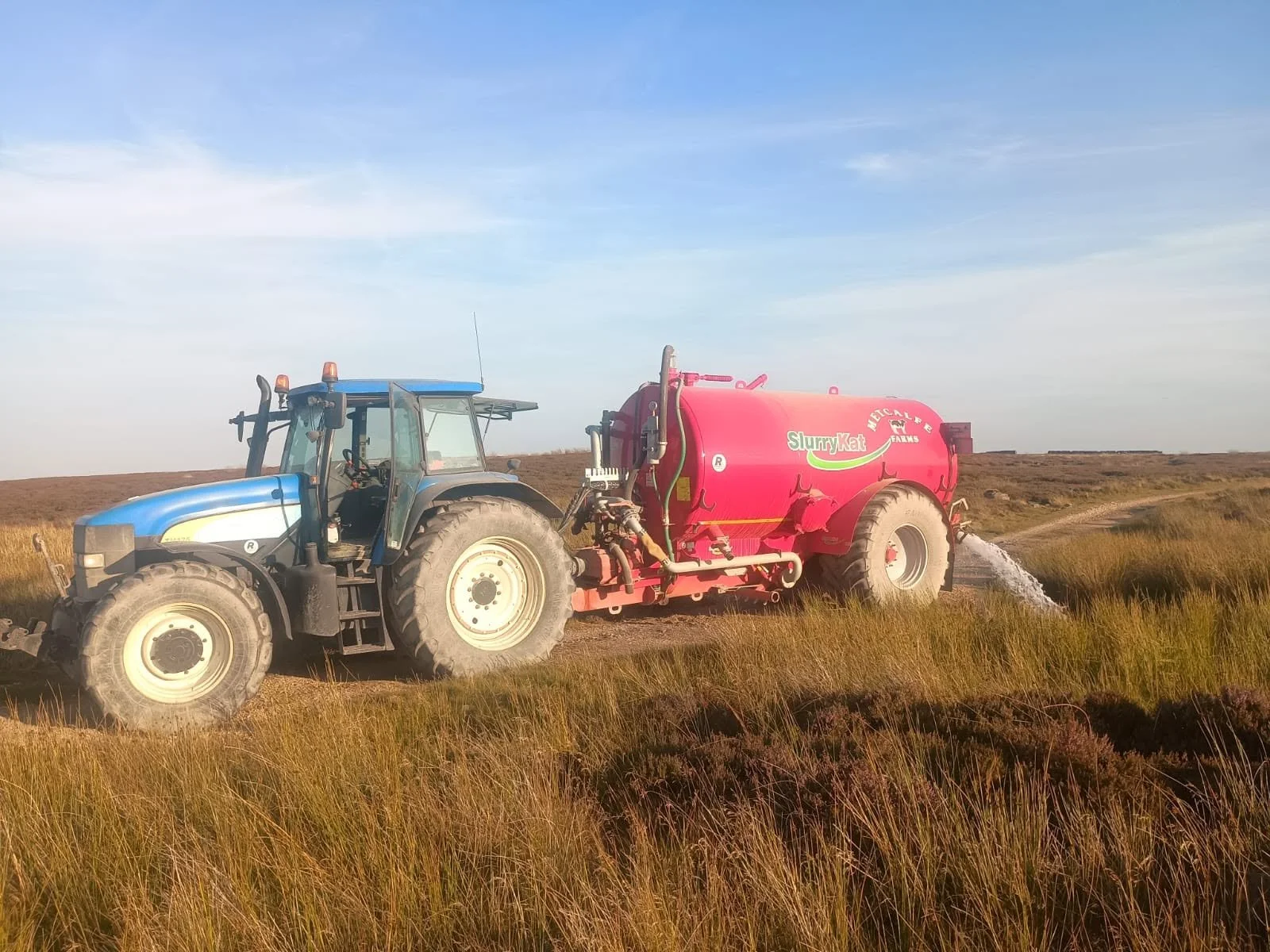
At the centre of all this are the gamekeepers. A successful shoot day does not simply fall into place on the morning. Head keepers spend months monitoring the moor, organising staff and ensuring every detail is considered. Across the Yorkshire Dales there are around 50 full-time-equivalent grouse keepers, whose work continues long before and after the season. In early August, YDMG keepers were topping up and creating pools on the moors to help hydrate grouse and other wildlife - the sort of crucial work that often goes unnoticed.
On the day itself, keepers coordinate guns, beaters, flankers and pickers-up while ensuring everything runs efficiently and responsibly. Yorkshire Dales National Park research estimates that shoot-day employment equates to around 95 full-time-equivalent roles in a normal season. Behind that figure are hundreds of individuals from different backgrounds whose contribution allows the day, and the community surrounding it, to thrive.
Grouse shooting in the Yorkshire Dales is therefore about considerably more than pulling a trigger or putting grouse on the table. It brings together generations, professions and communities that might otherwise rarely cross paths. Once people step onto the moor, their backgrounds matter far less than the shared experience - and that community remains one of grouse shooting’s greatest strengths.
Image credit – The Yorkshire Dales Moorland Group