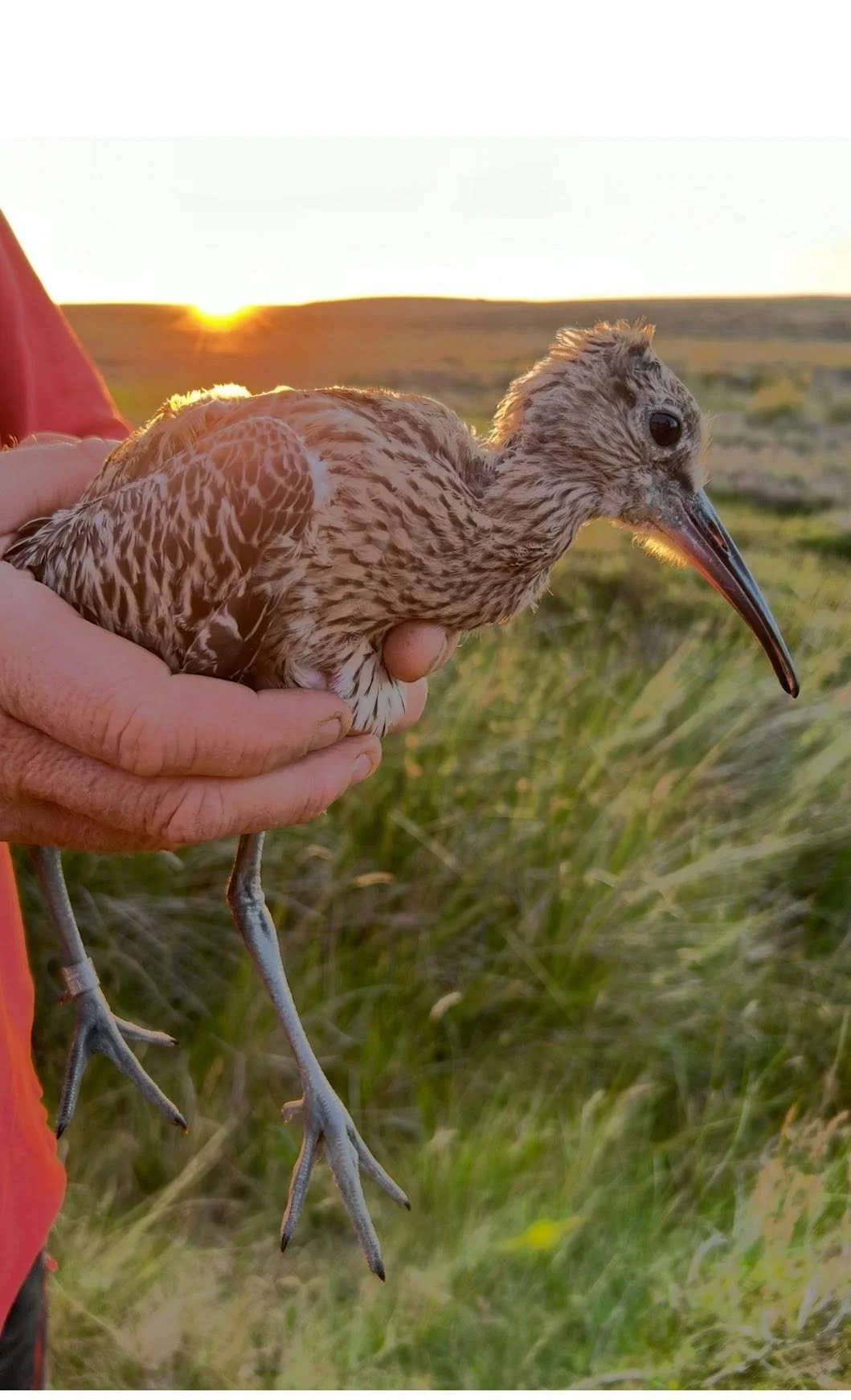
Every Record Counts: Local Knowledge for Wader Conservation
The British Trust for Ornithology's Wader Monitoring Scheme is collecting breeding wader records from this season, with the submission window closing on 16 October. Farmers, gamekeepers and local monitoring groups who know where a curlew pair returned, where lapwing chicks appeared, or how long a brood stayed in a field can add that knowledge to a national picture of how breeding waders are faring.
This summer, visitors on the Yorkshire Dales Moorland Group's bird safaris watched golden plover and lapwing being ringed on managed moors in Wensleydale and Swaledale. Across six safaris on six estates, 63 species were recorded, from golden plover and black grouse to short-eared owls and wheatears. Now there is a chance to make sure observations like this count for more.
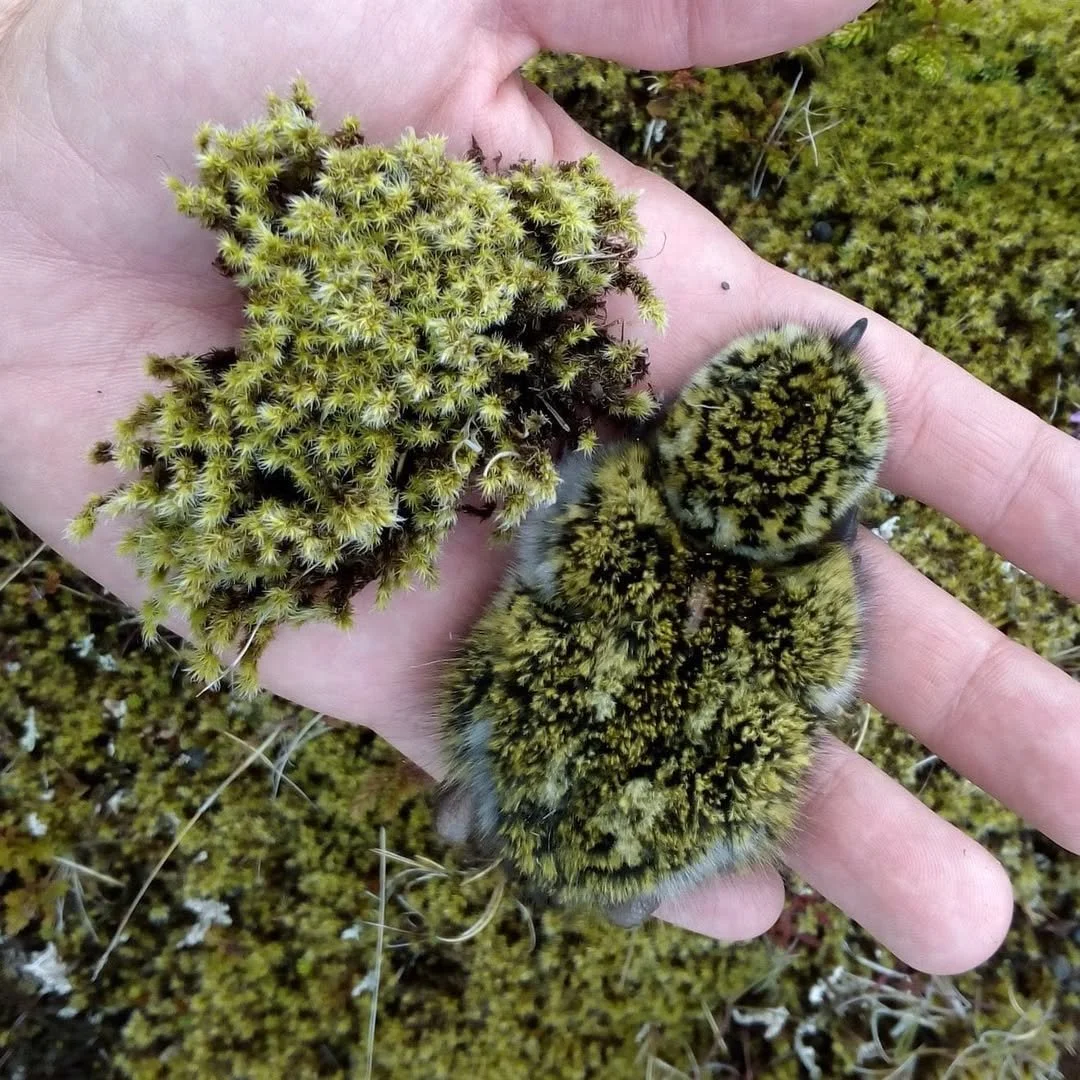
Local people and those who work hard to maintain the land can play an incredibly important role in conservation by sharing their lived experience and personal observations. People familiar with the land hold valuable knowledge: where a curlew pair returned, where lapwing chicks appeared, where golden plovers nest, or how long a brood remained in a field. Sharing these insights contributes immensely to the creation of the broader picture of breeding waders and the habitats they use.
@Camilo_Carneiro
In the 2026 Big Farmland Bird Count, farmers, land managers and their helpers recorded 275,024 birds across 292,828 hectares, demonstrating the scale of their contribution to wildlife monitoring. Farmers and gamekeepers’ capacity to understand their landscapes are valuable in conservation: a study in Wensleydale found that breeding wader surveys carried out by farmers and gamekeepers produced findings comparable to those of BTO field staff.
The survey welcomes incomplete and imperfect observational data as well as careful tracking. They particularly welcome data regarding common sandpipers, curlew, dunlin, golden plovers, lapwing s, oystercatcher s, redshanks, snipe, and woodcock.
For moorland communities, this survey offers a practical way for local experience to benefit shared conservation efforts. It also presents an opportunity for land managers and bird monitors to compare notes and strengthen relationships ahead of next spring.
Paying attention to our local landscapes can be incredibly important for keeping them alive. As autumn work gets under way, taking time to share the summer’s observations is another way to care for the birds that make our uplands special.