
Gamebird Management Can Help Wildlife Beyond the Shoot, New Report Finds
A new report from Game & Wildlife Conservation Trust (GWCT) this month has brought together decades of peer-reviewed research on released gamebird management, and the habitat, food, and predator management provided by gamekeepers. The report draws the conclusion that conservation-conscious gamebird management can have significant benefits for biodiversity.
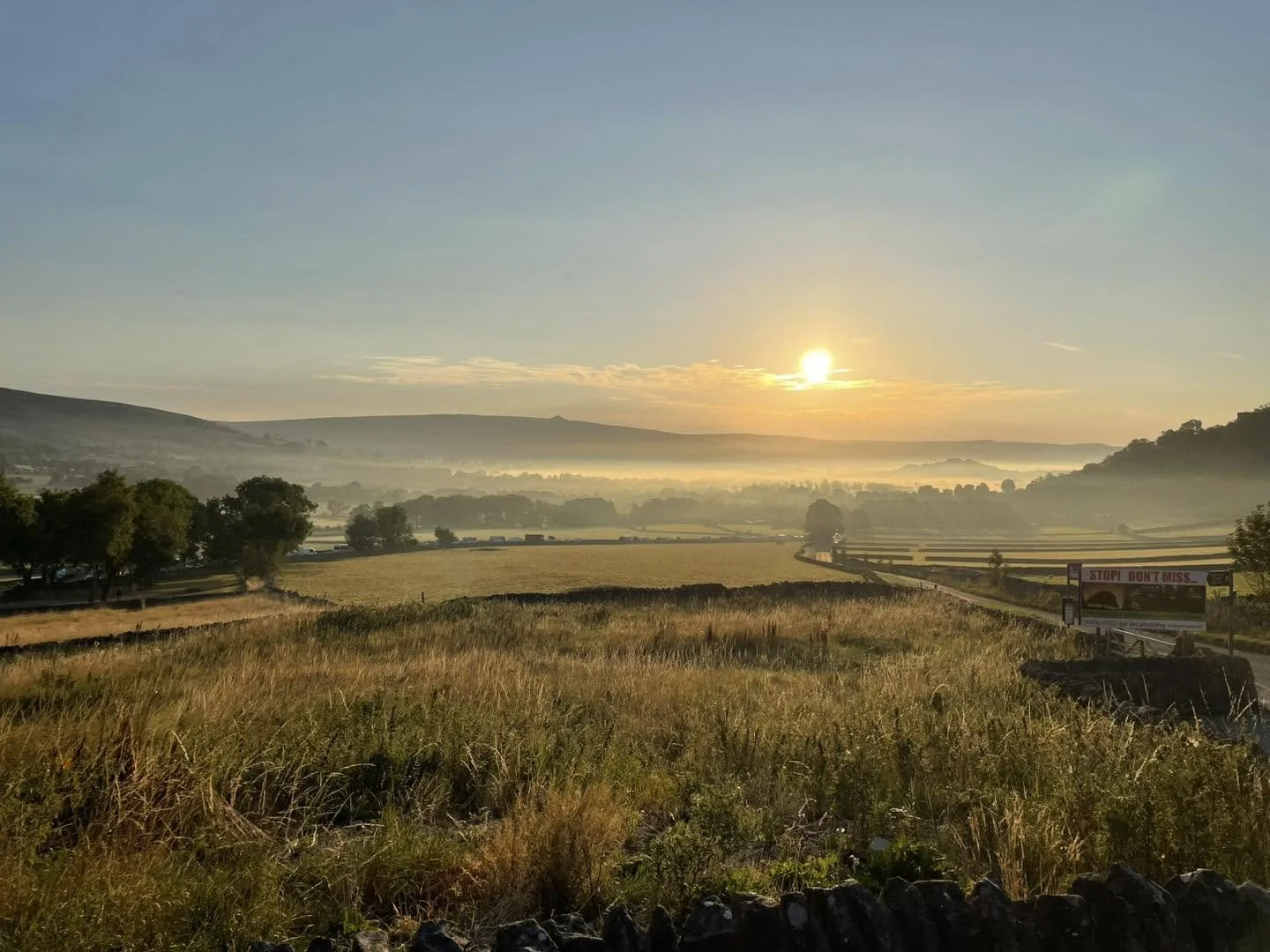
The report shows that “provided best practice and high standards are followed, released game management can produce a significant biodiversity net gain.” Additionally, it notes that the work of gamekeepers, which includes maintaining habitats, providing winter feed, and managing predators, can support biodiversity in farmed landscapes.
In a study near Exmoor cited by the report, hedges beside game crops held between one and a half and two times as many breeding resident songbirds as the comparison hedges. Managed woodlands are clearly beneficial as well; a cited study found up to 32% more wild birds in woodlands managed for released pheasants, also describing more butterflies and flowering shrubs in these woods.
Biodiversity depleted farmland can struggle to support the winter-feeding needs of vulnerable bird species, but one study found that supplementary feeders, in best practice examples, possibly benefited “breeding densities of songbirds including red-listed species such as tree sparrows and yellowhammers.” Benefits of course depend on how releasing is managed. The report acknowledges damage to vegetation and soils around some release pens and feeding sites, and calls for appropriate siting and stocking densities.
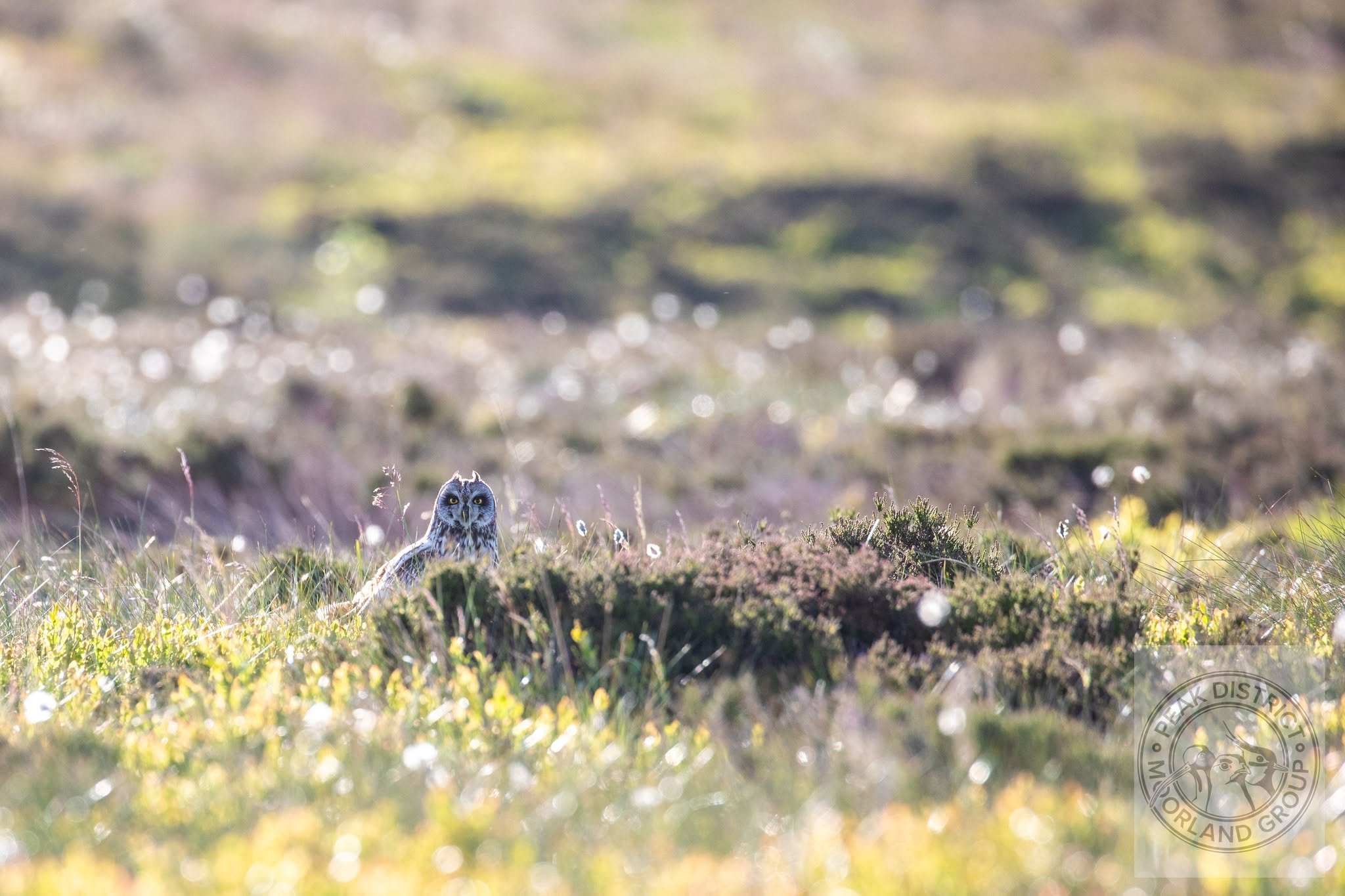
These findings are important, as they mean that gamebird management has a strong argument for its place in environmentally resilient landscapes. The GWCT explains in the report that nature reserves:
“only comprise around 8% of the UK land mass, whereas the farmed environment covers 72%. Therefore the kind of farm-scale conservation delivered by best practice game management has a large part to play in delivering national nature recovery targets.”
This points towards a form of conservation that can function alongside rural practices and land use, showing that gamekeepers play an important role. The report states clearly that to reach biodiversity goals by 2030, “conservation will need to take place on the 72%”, not just in nature reserves, meaning that wildlife recovery must function alongside food production and rural land use. Conservationists call this approach land-sharing. The report ultimately argues that gamekeepers, when working in an environmentally conscious way, can help make space for wildlife across the farmed landscape.