
July Wildfires Must Prompt Reform of Moorland Management Regulations
Britain has been gripped by extreme heat and wildfires over the past month. With some areas receiving no rainfall, it comes as little surprise that July was the driest on record. The abnormally high temperatures experienced this summer are going to become increasingly familiar. Mitigating the consequences of scorching heat and scarce rainfall is therefore imperative, particularly for rural communities already bearing the brunt of these conditions.
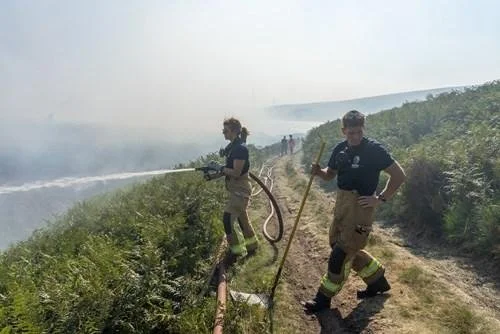
The cost of wildfires across Europe this year has come to over 3 billion Euros already. With 716 Wildfires in England and Wales to date, Britain’s emergency services are under significant stress. Only last week a wildfire in Suffolk came within a few miles of a nuclear power station. Britain is flirting with catastrophe.
Across England, rainfall in July was reportedly around 90 per cent below the monthly average. The consequences extend far beyond scorched moorland. Homes are not designed to withstand prolonged temperatures above 30°C, the NHS has faced additional pressure, hosepipe bans have become widespread, and farmers are struggling with reduced yields and pressure on livestock. Wildfires intensify these problems by consuming emergency resources, damaging habitats and threatening upland communities.
Fire crews have worked tirelessly in exceptionally difficult conditions, supported by gamekeepers, farmers and volunteers who have headed onto the moors to contain the flames.
The contribution of gamekeepers has been invaluable. Their knowledge of the terrain, access routes and vegetation has enabled them to assist firefighters across remote landscapes.
However, Britain cannot continue relying solely upon bravery after a fire has started. Although wildfires cannot be eliminated entirely, their likelihood and severity can be reduced with appropriate mitigation measures. Those who know the moorlands best have repeatedly called for greater recognition of controlled burning, grazing and other forms of active vegetation management.
A wildfire requires an initial spark, but the amount of combustible material across the landscape determines how rapidly it spreads. Defueling a fire is only possible if the fuel is reduced before ignition. With rainfall increasingly unreliable, those tackling wildfires can no longer depend upon Britain’s natural fire extinguisher arriving in time.
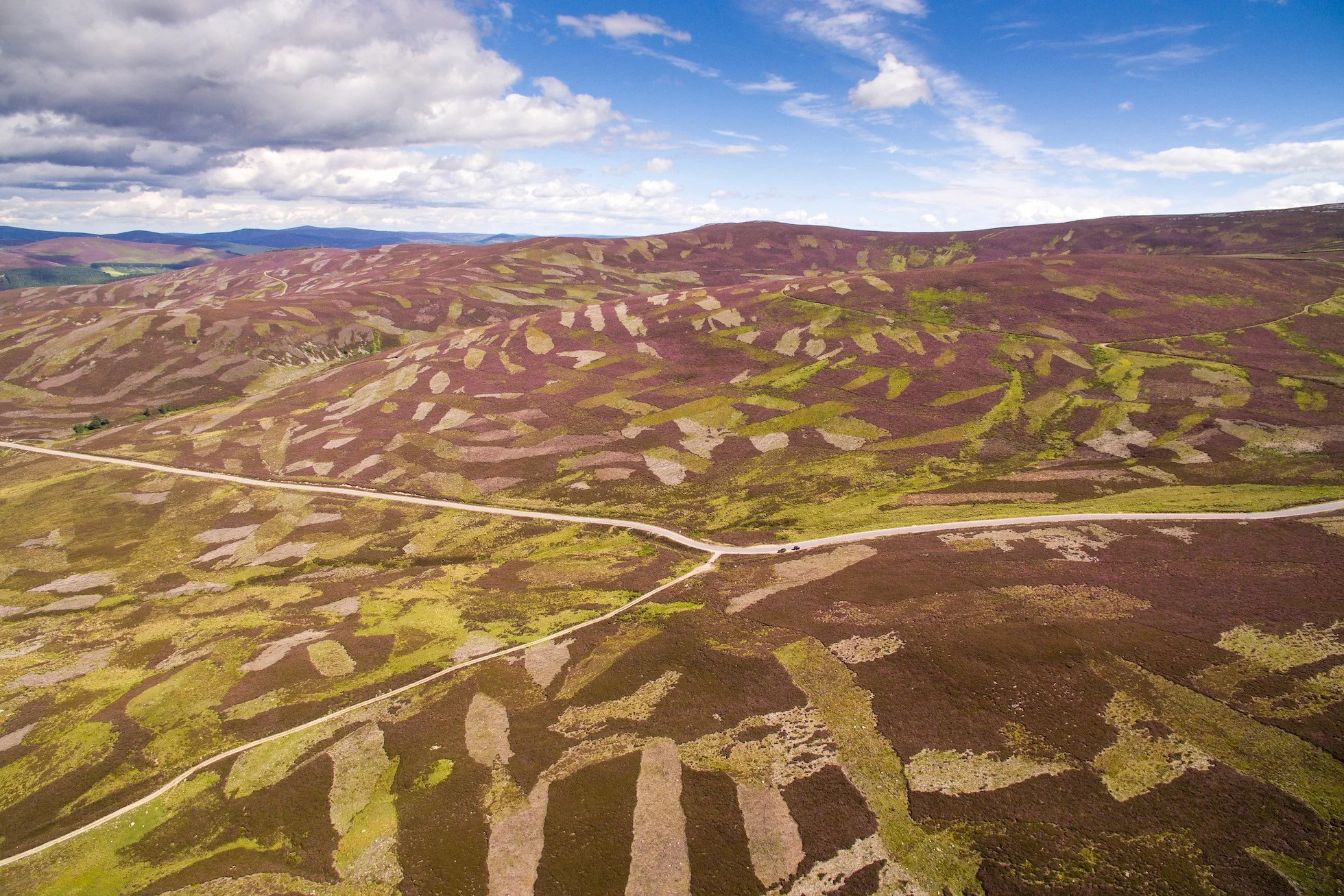
Prevention must therefore begin through carefully managed grazing and the responsible use of prescribed burning, including muirburn where appropriate. Muirburn creates a mosaic of vegetation of different ages, reducing continuous stretches of dry material. It can establish strategic firebreaks capable of slowing an advancing blaze and giving firefighters more time to bring it under control.
Gamekeepers possess the practical experience required to carry out this work responsibly. Rather than removing every safeguard, current regulations should be reviewed so properly planned, evidence-led muirburn can take place when conditions permit. Rural communities understand its value; those in Westminster must recognise that restricting opportunities to manage vegetation can carry serious consequences as seen this summer.
The debate has become increasingly urgent following the wildfire at Dunwich Heath, Suffolk. The 371-acre blaze began on the RSPB’s Minsmere reserve before spreading onto Dunwich Heath. Firefighters brought it under control on the fourth day, but not before the flames had spread to within a few miles of Sizewell B nuclear power station.
Residents and experts described the area as a “tinderbox” and blamed this on the RSPB’s “rewilding agenda”. One resident told The Telegraph that environmental agendas must also consider those living in the countryside, particularly when fallen vegetation is left to accumulate.
Various conservation groups have called for more rewilding as a method of reducing future wildfires. However, rewilding on land such as Minsmere increases the fuel load, despite claims that it helps to re-wet the land. This fire is one of many examples that proves it’s an ineffective method. Presenting rewilding as a solution to wildfires therefore appears deeply misguided.
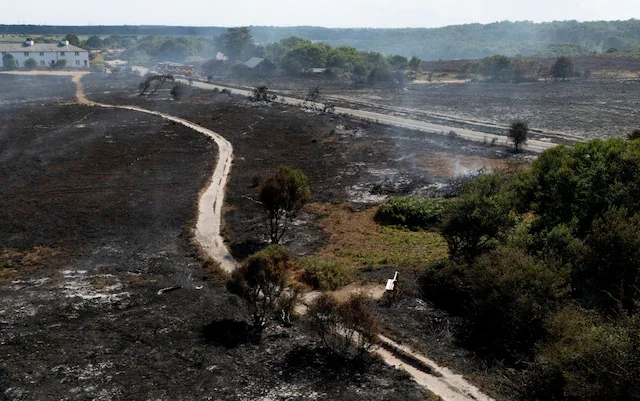
The Dove Stone and Tintwistle wildfire further proves the need for muirburn deregulation. Greater Manchester Fire and Rescue Service has announced a “stand-down” decision, but it took more than three weeks to reach that stage and the incident is far from over. The operation would have been even more difficult without bulldozers creating firebreaks to contain the blaze.
This raises an obvious question: if emergency firebreaks must be created after ignition, at considerable financial and environmental cost, why should trained gamekeepers not be permitted to establish carefully managed breaks before disaster strikes?
July’s drought is unlikely to be an isolated warning. Even when temperatures fall, peat can continue to smoulder beneath the surface and vegetation remains dangerously dry. Firefighters, gamekeepers and rural communities may therefore face further incidents before the summer ends.
Those fighting the fires on the frontline deserve enormous praise. However, emergency responders alone cannot become Britain’s long-term wildfire strategy.
As hotter and drier summers become increasingly common, prevention must be given the same priority as response. Carefully managed muirburn, targeted grazing, maintained access routes and cooperation between fire services and land managers can make the countryside more resilient. July has demonstrated the cost of waiting until the flames appear. Policymakers must now listen to those who understand the moors and give them the tools to reduce the danger before the next spark becomes another national emergency.