
Lyme Disease Warning as Tick Numbers Soar in the Region
Farmers and gamekeepers across a swathe of the North are being warned they face an increased threat of contracting Lyme Disease due to a dramatic rise in tick numbers this year
The warning comes as tick-related disease cases continue to climb and according to new analysis West and South Yorkshirehave since 2019 seen Louping ill incursion, a disease which has impacted North Yorkshire for more than a decade.
Speaking after Nidderdale Moorland Group reported an increased number of ticks, its coordinator Tracy Johnson, said numerous chicks had a heavy tick burden this year.
She said: "Ticks are a serious threat to many species, including ourselves, pets, livestock and wildlife.
"Emily Graham, Coordinator of the North Pennines Moorland Group, said she had seen a significant change, and after visiting one forest had seen ticks “crawling all over the dogs” She said: " I have certainly noticed more ticks this year, especially when walking on unmanaged ground.”
The UK Health Security Agency records around 1,500 laboratory-confirmed cases of Lyme disease in England and Wales each year, although it estimates the true figure at 3,000 to 4,000 new cases, as many cases are treated by doctors without the need for laboratory tests.
The charity Lyme Disease Action, applying findings from a 2019 GP-records study, estimates th e true number could be closer to 10,000. Twenty years ago, the UK saw only around 250 reported cases a year.
New analysis by the Moredun Research Institute, drawing on combined sheep and red grouse data from VIDA, the GWCT and Sandhill Vets, shows how recorded cases of louping ill, a tick-borne viral disease that causes high mortality in sheep and red grouse, in 2015 were concentrated in a tight cluster in the Scottish Borders. In the last decade, the virus has spread across most of upland Britain.
Factors behind the rise in ticks include a decline in the sheep industry as a diminishing appetite for lamb, farmers facing significantly reduced income from subsidies and the UK's recent trade deals with New Zealand and Australia, which now have large quotas on the volume of lamb they can export to the UK.
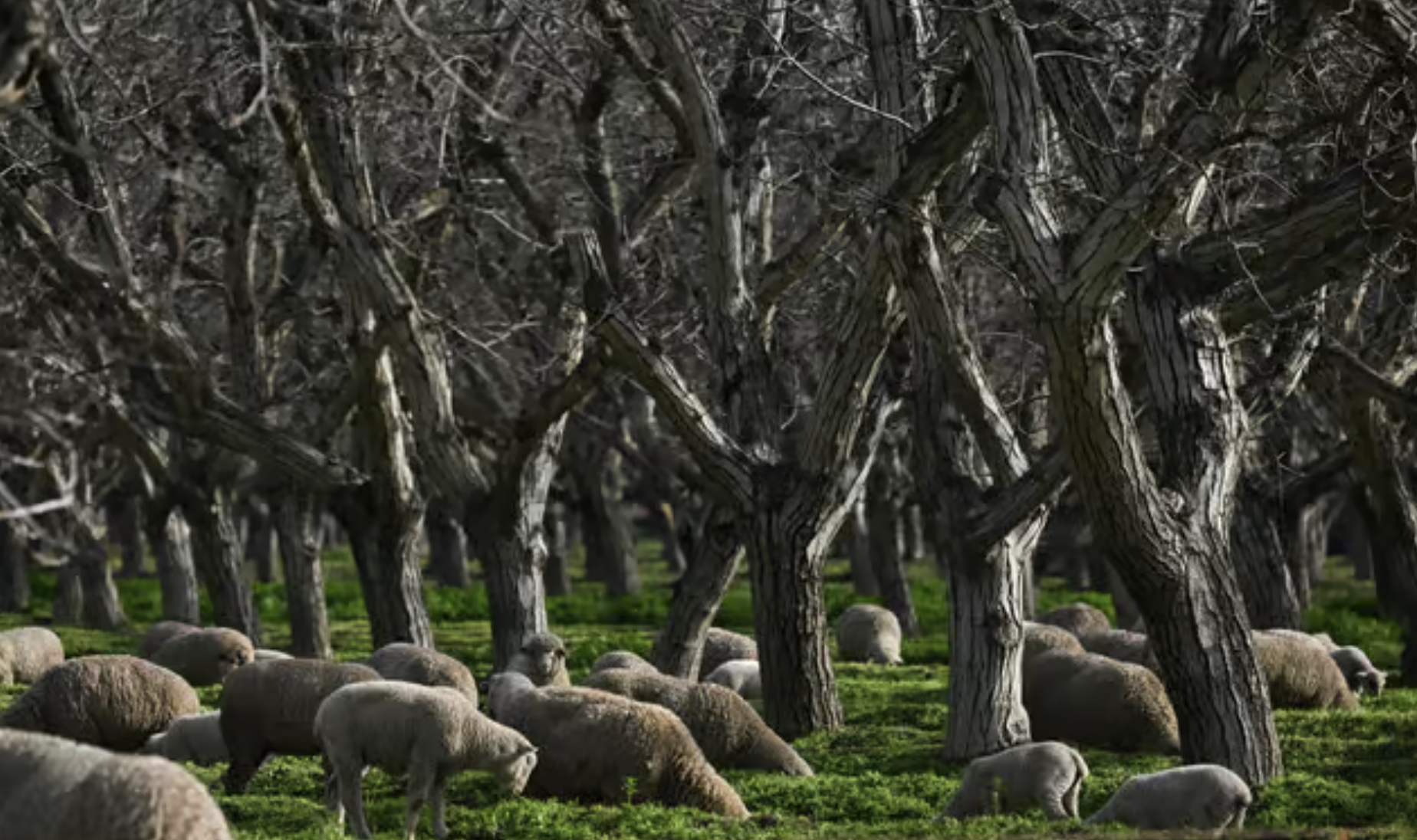
Sheep graze in a field beneath trees, making the area a potential tick hotspot.
Phil Stocker, chief executive of the National Sheep Association, said the number of breeding ewes has fallen to the lowest figure in living memory. Craven Cattle Mart general manager Jeremy Eaton said when he started at the auctions in the 1970s, 19,000 store lambs would often be sold, whereas now the figure had dropped to around 9,000.
Farming leaders say sheep serve as a mop, with ticks attaching themselves to the animals as they graze, while keeping down long grass. Current environmental conditions and weather patterns are becoming much more favourable to tick survival.
Historically, the high-risk period for ticks ran from February to October, but milder winters now mean year-round activity. David Whitby, who spent 45 years as a gamekeeper and deer stalker, including 38 as head keeper on the Petworth Estate, said he had lived with Lyme Disease for 14 years. He was bitten at work and, like many, made every mistake in the book: squeezing the tick off, leaving the head embedded, and picking it out with a needle later. A few days later, the bullseye rash appeared, and his GP started him on a long course of strong antibiotics.
"The disease was completely debilitating, waves of exhaustion where I would just have to pull over and sleep for a few minutes, " he said. “Shortly after the bite, I was invited grouse shooting, a rare and special occasion for me. I was so tired at one stage that I had to explain to my loader and ask him to wake me when the birds were coming. It was a tiredness that simply could not be fought."
This article originally appeared in the Yorkshire Post.