
Gamekeeper warns MPs: "Only a matter of time before someone is killed" as fuel loads build on the moors
A gamekeeper with more than three decades of frontline experience has warned MPs that the Government's restrictions on controlled burning are turning the uplands into a tinderbox, with potentially fatal consequences.
Richard Bailey, co-ordinator of the Peak District Moorland Group, gave evidence yesterday to the Environment, Food and Rural Affairs (EFRA) Committee as part of its inquiry into the rising number of wildfires. The Committee is examining how risks are mitigated through land management and monitoring, and which organisations carry responsibility and oversight. It noted that the National Fire Chiefs Council reported 2025 as a record year for wildfires, surpassing the previous record set in 2022.
Bailey, who has 32 years of first-hand experience as a first responder to wildfires, told MPs that the steady build-up of vegetation across the hills was producing far hotter, more dangerous fires. "This continual increase in surface fuel load is having these a lot hotter fires," he said. "We're getting a huge build-up in vegetation in areas that previously haven't had it and that is the reduction in grazing and prescribed burning."
His message to Westminster was clear. "Unless Westminster stops deliberately building up huge fuel loads of vegetation, it's only a matter of time before someone is getting killed." He described the fuel load problem as "devastating."
Bailey pointed to a fire on Snake Moor in the Peak District last month, which he said would have burned all the way to Sheffield had the flames crossed the A57. The warning carries particular weight as Britain faces a major heatwave, with the Met Office issuing a rare red warning for extreme heat across southern and central England.
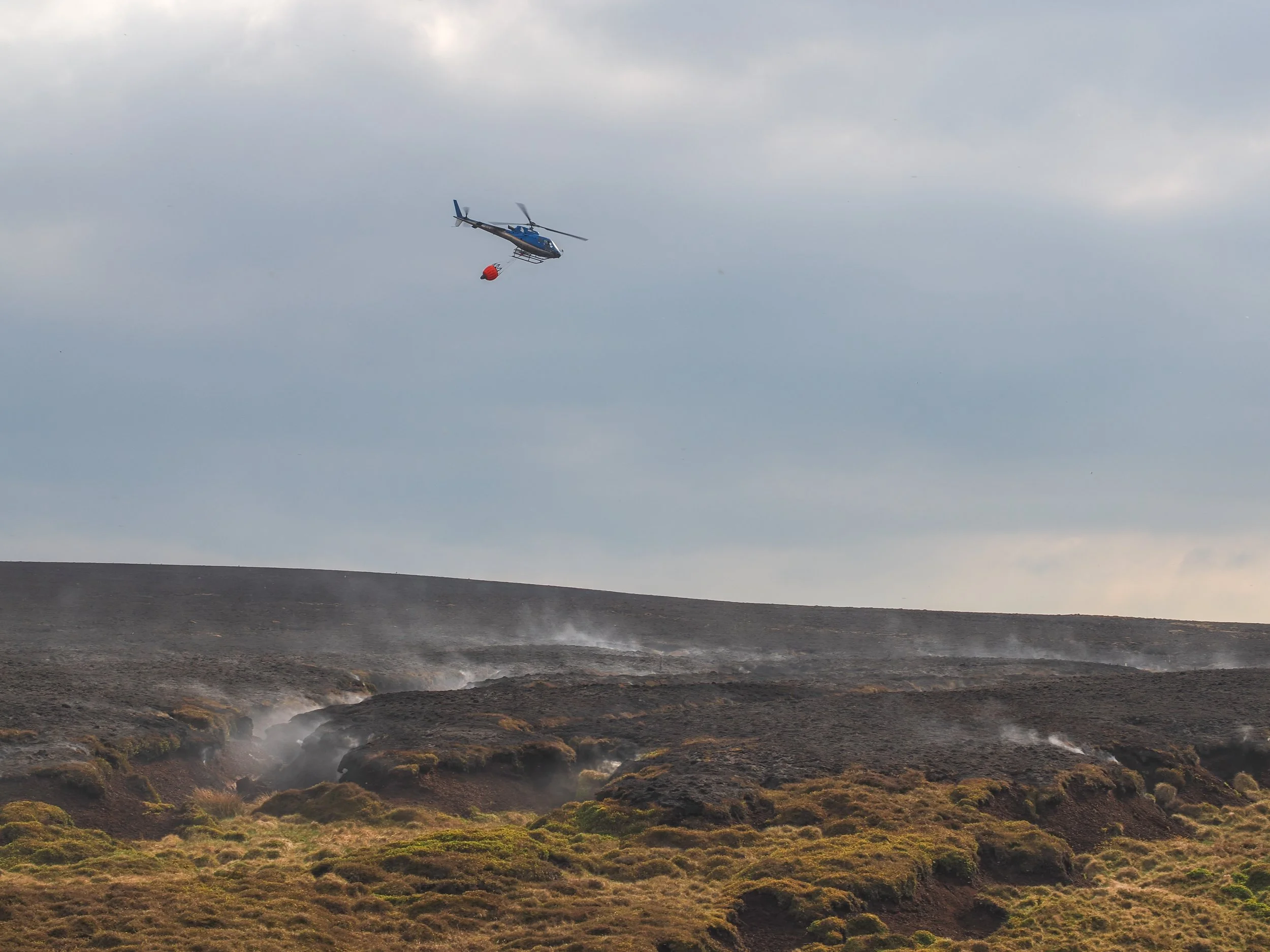
Snake Moor in the Peak District
“A rural network you cannot buy”
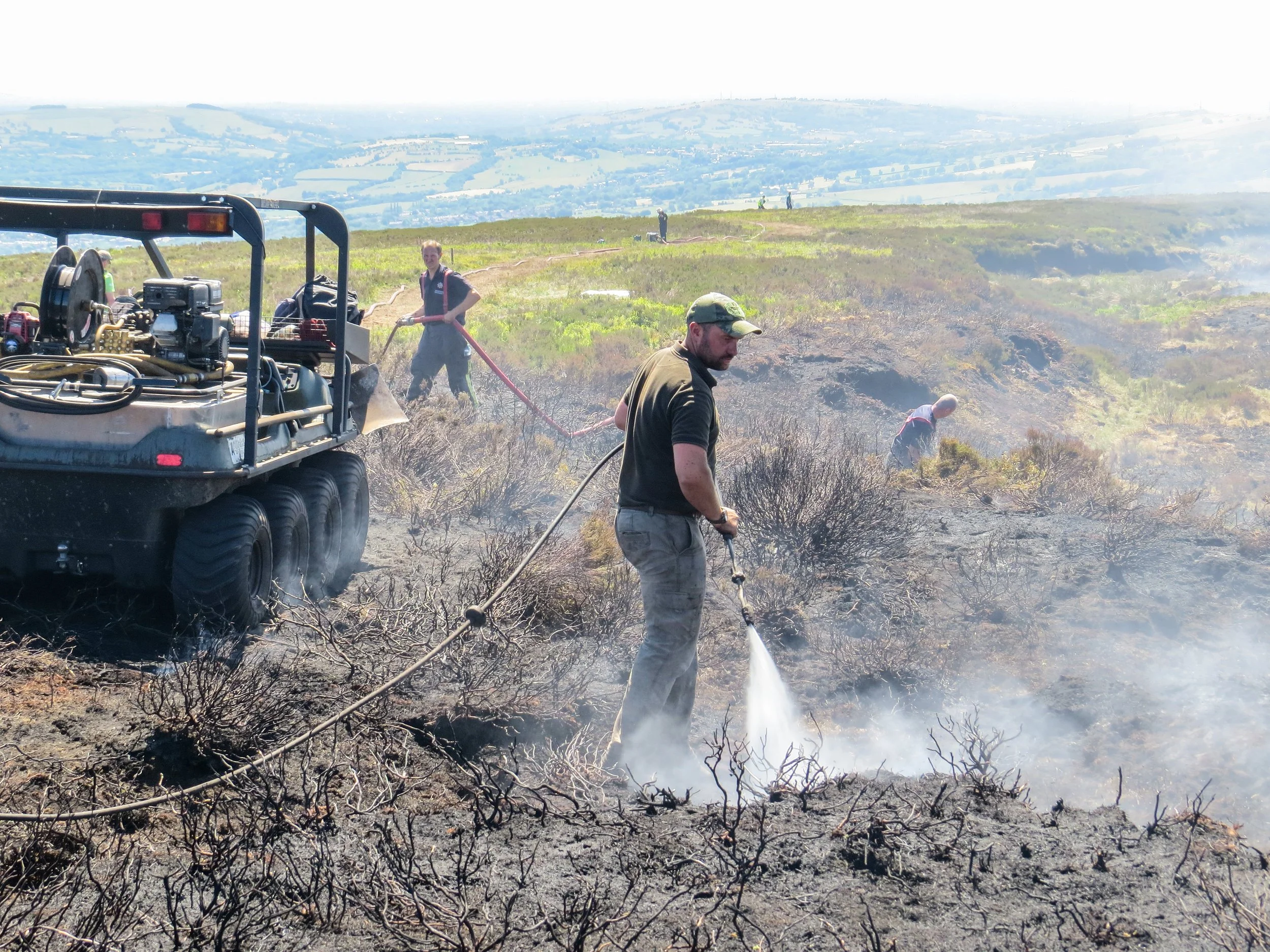
Central to Mr Bailey's evidence was the role of rural communities themselves. Gamekeepers, farmers and those who live and work on the moors are, he stressed, never off duty. They are the first to react to any sign of a wildfire, drawing on local knowledge and long-standing relationships that no agency can replicate. He described it as "a rural network you can't buy."
That network mobilises fast. During a 2025 fire, around 20 estates from across the Peak District turned out to help, co-ordinating through WhatsApp groups to get people and equipment to where they were needed. In recent years, gamekeepers have even taught the fire service how to manage out-of-control upland fires using their traditional skills.
However, Bailey raised a concern for the future. Younger gamekeepers, he said, do not have the same fire skills and understanding that earlier generations gained through regular prescribed burning. As that knowledge fades, so too does one of the moors' most effective natural defences. Ultimately, he said, this is about the people living in these communities and living with this risk as the first responders on the ground.
A "dangerous experiment"
Traditionally, gamekeepers and hill farmers have carried out controlled burning of heather and grasses in winter, encouraging new shoots that are grazed by grouse and sheep while reducing the fuel available to a wildfire. Last year, however, the Department for Environment, Food and Rural Affairs and Natural England severely restricted these practices, banning burning across more than 1.6 million acres.
Andrew Gilruth, who runs the Moorland Association, said the approach was reckless. "Whitehall is conducting a dangerous experiment on our moors," he said. "Farmers, gamekeepers and scientists have warned that banning winter burns lets the land become a tinderbox, yet officials are still hiding behind technical papers instead of coming to the hills and seeing the reality for themselves."
The risks of unmanaged land were laid bare last August, when the UK's biggest wildfire burned for more than a month on Langdale Moor in the North York Moors and was declared a major incident. The blaze started in an unmanaged forestry block and spread across unmanaged moorland, surging towards properties and businesses, while the rescue effort was hampered by explosions from Second World War munitions.
Natural England's position
Professor Sallie Bailey (no relation), chief scientist at Natural England, told the Committee that controlled burning could sometimes do harm. "Burning on moorland can set off a chain of negative feedback, where the peatland becomes damaged, vegetation is lost that increases erosion which has the impact of further peatland washing off," she said. She added that on dry, damaged moorland a fire was more likely to burn down into the peat itself.
Natural England maintains that healthy peatlands are wet environments at lower risk of burning, and that the heather and grasses most prone to fire flourish chiefly where peat bogs have been drained. The quango recommends cutting vegetation with machinery as an alternative, though cutting only reduces the fuel load to a degree and leaves burnable matter behind. Professor Bailey said land management was "part of the response" and that Natural England wanted to see a diversity of habitat so that areas burn at different rates.
Both The Telegraphand The Yorkshire Postcovered yesterday's session, reflecting the growing national attention on how Britain manages its uplands as wildfire records continue to be broken.