
Why This Extreme Heat Demands Real Action on the Ground
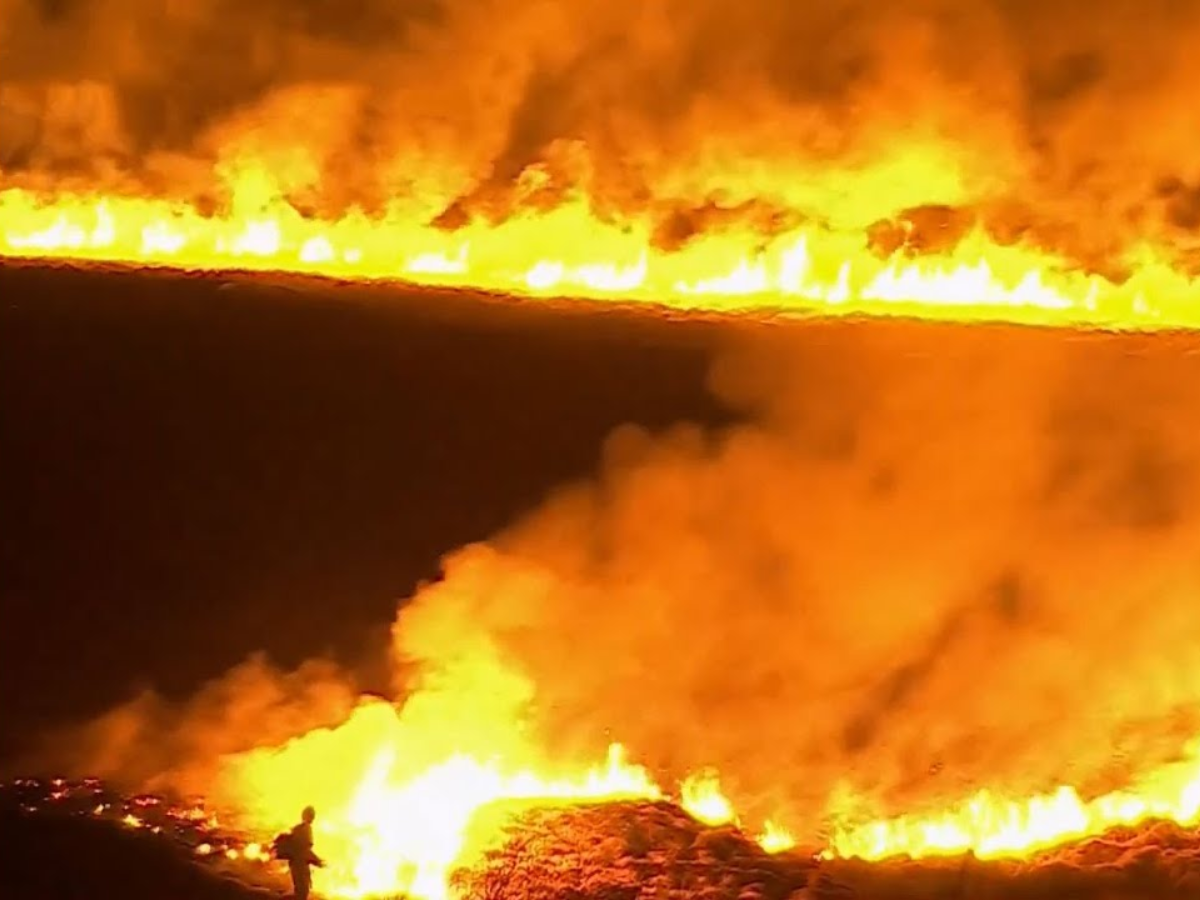
Fire Erupted at Tintwistle Moor Amid High Temperature & Heatwaves, Firefighters Tackling Flames
As the Met Office maintains red and amber extreme heat warnings across England this weekend, with June temperature records broken and the heat dome refusing to relent, our fears for the moors have already begun to materialise. A significant wildfire is burning in the Crowden area of the Peak District, sending smoke across Greater Manchester and once again exposing how fragile our uplands are.
Scientists have warned that prolonged heat brings a sharply increased risk of wildfires, and after days of record-breaking temperatures, the vegetation across our moorland is tinder dry. Many moorland managers have spent this week holding their breath, praying that no incident would take hold in these temperatures. But praying does not stop wildfires. Actions on the ground do.
The memory of the 2018 Saddleworth Moor fire is seared into this region. That blaze exposed roughly five million people to smoke and inflicted lasting damage on the landscape. The fire now burning at Crowden, the moor next door, could easily affect far more. Wildfire smoke is a serious public health hazard, and crucially, it is far more damaging than the smoke produced by prescribed, low intensity prescribed burning.
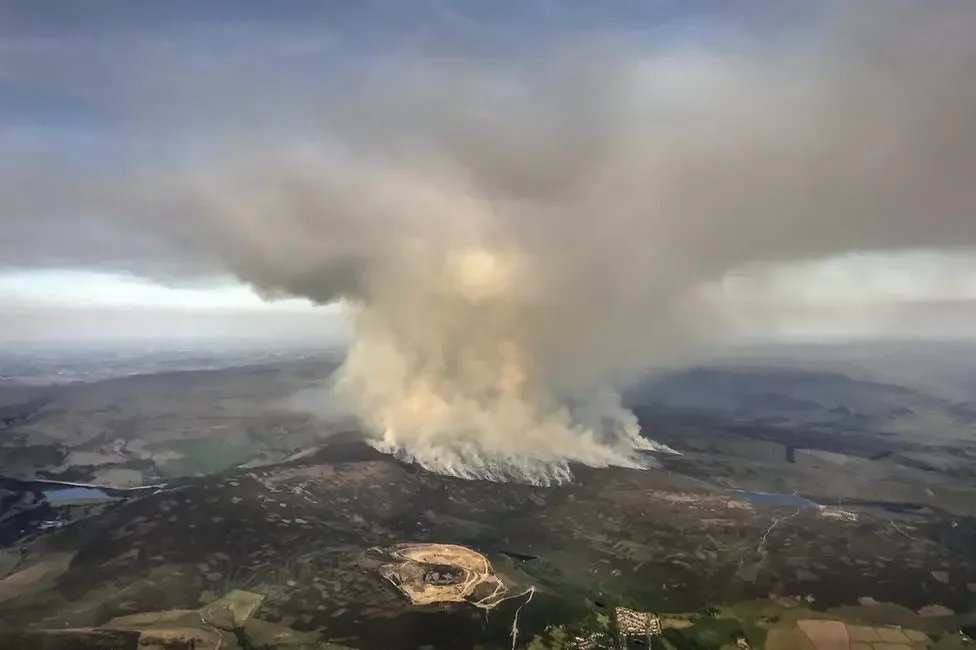
Saddleworth Fire 2018
Controlled cool burning removes fuel in a managed, deliberate way. A wildfire on overgrown moorland does the opposite, releasing vast quantities of carbon, destroying habitat, and putting communities downwind at risk.
It is rural communities that bear the brunt of these events. They live with the smoke, the threat to homes and livestock, the loss of land, and the long recovery that follows. They are among the most exposed and the most vulnerable, and yet they are too often an afterthought in the policy decisions that shape how the moors are managed.
Standing between those communities and catastrophe are gamekeepers, farmers and land managers. They are the first line of defence. When fire breaks out, it is local people who are first on the scene, running out with fire hoses, cutting back vegetation, guiding the emergency and providing what amounts to a privately funded fire and rescue service. At Crowden, this is exactly what is happening again. Without the knowledge, equipment and presence of these people on the ground, every one of these incidents would be far worse.
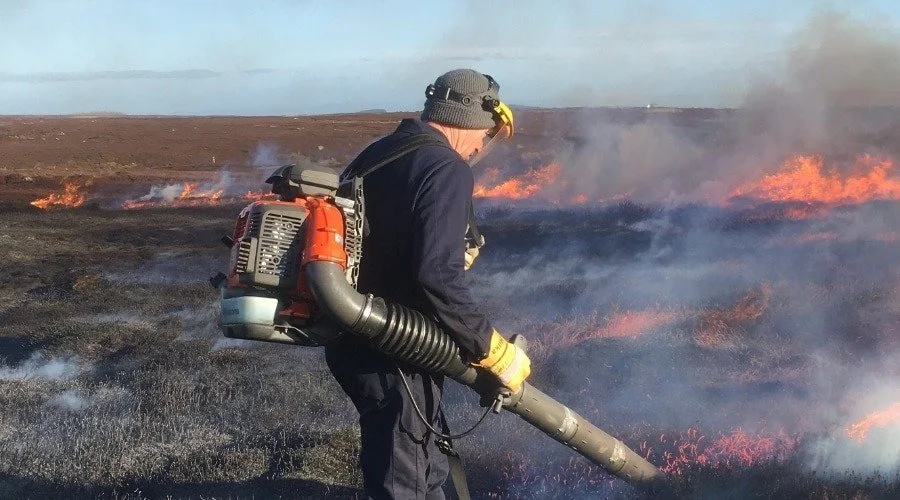
Prescribed burning is a tried and tested tool used to reduce the build-up of fuel load, create vegetative diversity and mitigate the risk of devastating wildfire. Where it is restricted or removed, fuel load accumulates unchecked, and when ignition comes, whether from a discarded cigarette, a barbecue or arson, the fire that follows burns hotter, spreads faster and does far more harm. The choice is not between fire and no fire. It is between managed, controlled burning under safe conditions and uncontrolled wildfire under the worst possible ones.
This message is now being carried to the heart of government. Richard Bailey, coordinator the Peak District Moorland Group, spoke at Westminster this week as part of a select committee inquiry following the recent consultation on wildfires. We told EFRA committee chair Alistair Carmichael, with Natural England Chief Scientist Sallie Bailey listening, that real, fit-for-purpose mitigation measures must be implemented.
As the warnings remain in force and the Crowden fire burns, the lesson could not be clearer. We cannot keep allowing this scenario to repeat itself. We owe it to our rural communities, to the millions who breathe the smoke, and to the moorland itself to back the people who protect it and to put real mitigation measures in place before the next fire takes hold.