
The Prime Minister’s Wildfire Summit on 23 October has brought welcome commitments to strengthen Britain’s response to devastating fires. For moorland communities, the next step is ensuring that investment reaches the ground, and that gamekeepers, farmers and land managers help shape how it is used.
In announcements surrounding the summit, the Government set out plans for a nationally coordinated aerial firefighting capability, better protective equipment and stronger wildfire forecasting. It also said it would update Environmental Land Management capital funding to support prevention measures, including fire ponds, firebreaks, grazing and vegetation management. An additional £25 million has been announced for peatland restoration in England.
These measures recognise that wildfire resilience involves work throughout the year. Parliament’s Environment, Food, and Rural Affairs (EFRA) Committee documented how gamekeepers and other land managers contribute specialist equipment and knowledge of terrain, access routes and water sources. That practical experience is a resource that national planning should actively draw upon.
The Committee’s recent report called for gamekeepers, farmers, and rural communities to be represented in wildfire planning, alongside emergency services and other partners. MPs also recognised the contribution of private land managers during this summer’s fires.
Turning recognition into lasting support means involving those people in local resilience plans, joint training and decisions about access, water supplies, and equipment. Funding must be straightforward enough for practical improvements to happen before the next period of dangerous weather.
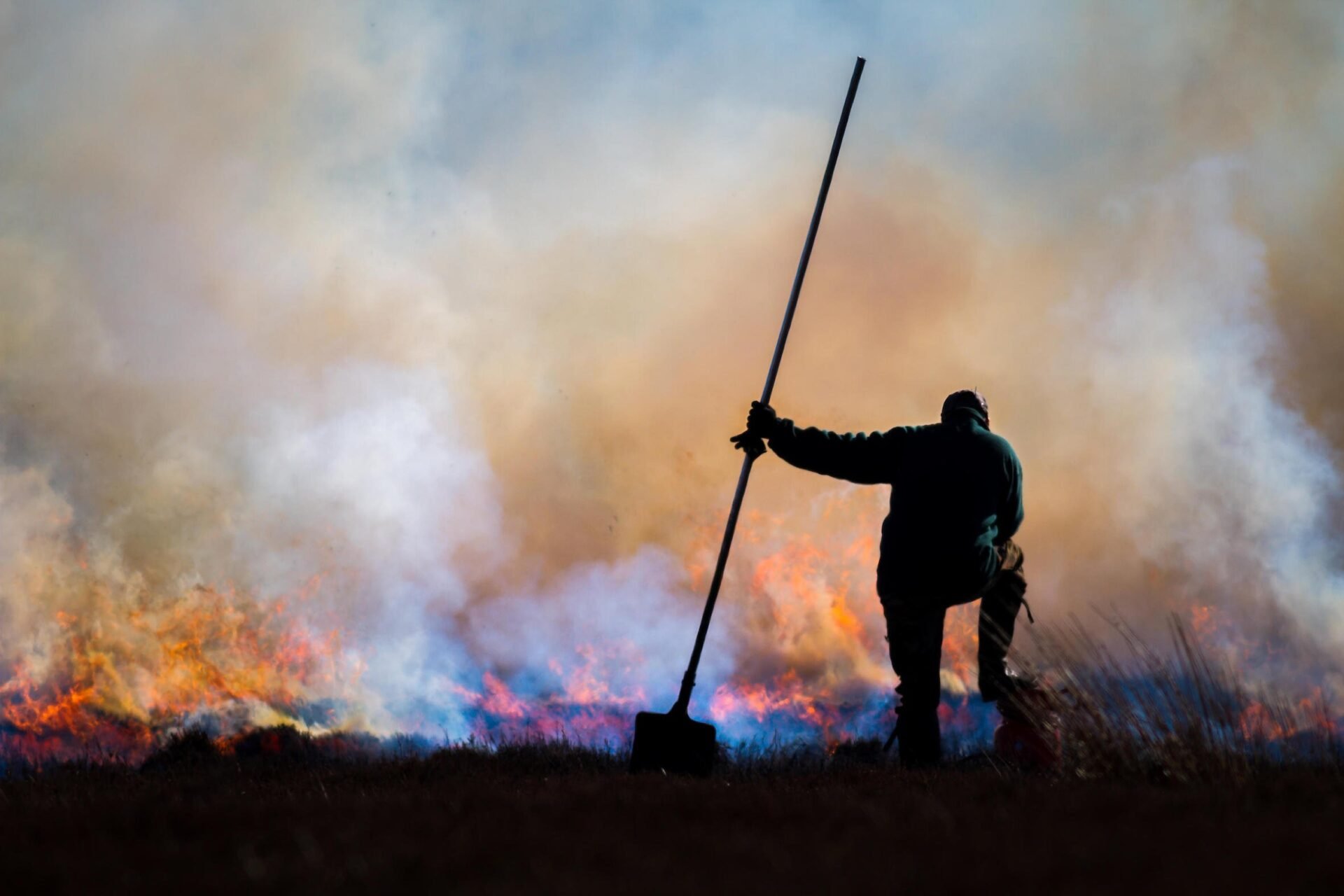
Land management deserves the same attention. The Committee supported an evidence-led approach that includes grazing, cutting, prescribed burning, and peatland restoration where appropriate to the circumstances.
For moorland managers, the important question is how these approaches can work together on individual sites. Restoring degraded peatland and managing vegetation require different timescales and techniques. Appropriately managed prescribed burning should remain an essential tool where it can help manage vegetation and reduce wildfire risk, with decisions reflecting habitat, ground conditions and wildlife.
Prevention also depends on public behaviour. The Government’s commitment to stronger public communications and coordinated use of temporary powers to restrict open flames during high-risk periods is a useful step towards reducing avoidable ignitions.
The summit provides an opportunity to strengthen the partnerships on which rural communities already depend. Its success should be judged by what changes before next summer: better preparation, practical support and a meaningful role for the people who know and care for our moors.
Moorland groups and gamekeepers are backing a petition calling for the Government to revoke the 2021 heather-burning regulations, as amended in 2025, and for Natural England to amend management plans to allow controlled burning on protected sites. Trained land managers need practical options to address hazardous fuel loads, with appropriate safeguards for sensitive habitats. The summit’s recognition of vegetation management is welcome, but ministers must now address the regulatory concerns raised by those doing this work. The campaign puts a practical question before ministers: how will their commitments translate into greater freedom to use appropriate prescribed burning to manage vegetation and reduce wildfire risk?