
Every 21 April, conservationists, land managers and nature lovers across the world turn their attention to one of Britain’s most iconic birds: the curlew. World Curlew Day is deliberately timed to coincide with the average first laying date for curlew in Europe, and it offers a vital opportunity to highlight both the challenges this bird faces and the places where it is still thriving.
Across the moors of northern England, our Regional Moorland Groups are marking the day by sharing stories, images and insights from the landscapes where curlew continue to breed in meaningful numbers. What emerges is a consistent picture: where moorland is actively managed for a range of upland species, the curlew is still breeding successfully.
A precarious life
The curlew is on the UK Red List of Birds of Conservation Concern, and its decline in many parts of the country has been well documented. As the Yorkshire Dales Moorland Group reminds us, the bird’s breeding strategy makes it particularly vulnerable. Curlew are ground-nesters, incubation takes around 30 days, and even once the chicks hatch, it is a further five weeks before they can fly. That is a long window during which a nest can be lost to disturbance or predation.
The group has issued a timely appeal to dog walkers in the Dales: please keep your dogs on a short lead during the nesting season. A loose or distantly controlled dog, however well-meaning its owner, poses a serious threat to a sitting hen or a brood of flightless chicks.
Success where management continues
Where moorlands are still actively managed for conservation (habitat management, legal predator control and responsible land stewardship), the story is a genuinely hopeful one.
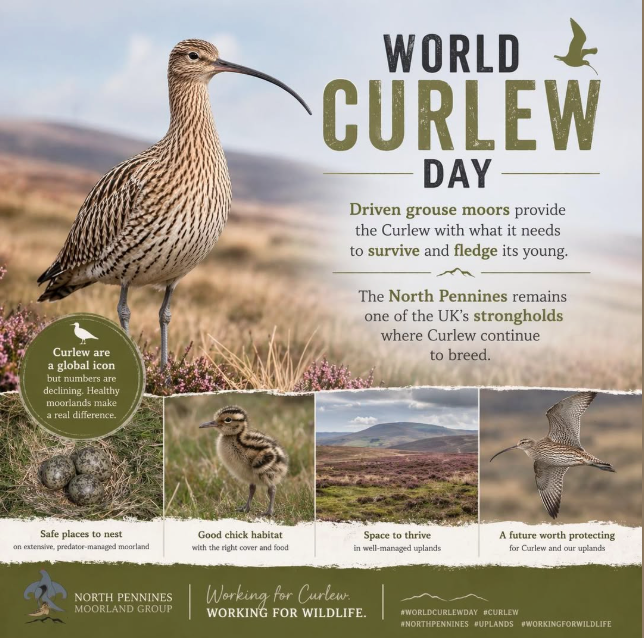
The North Pennines Moorland Group uses the day to remind us that the region remains one of the UK’s strongholds for breeding curlew. Their message is a direct one: driven grouse moors provide the curlew with what it needs to survive and fledge its young. Safe places to nest on extensive, predator-managed moorland. Good chick habitat with the right cover and food. Space to thrive in well-managed uplands. Curlew may be a global icon, the group notes, but numbers are declining, and healthy moorlands make a real difference.
The Nidderdale Moorland Group reports that curlew on their managed moors are successfully producing clutches and, just as importantly, raising those chicks to fledging age. This second step is the one that so often fails elsewhere. The work of upland estates, gamekeepers and farmers across Nidderdale continues to deliver the conditions these Red-listed iconic upland breeding waders need.
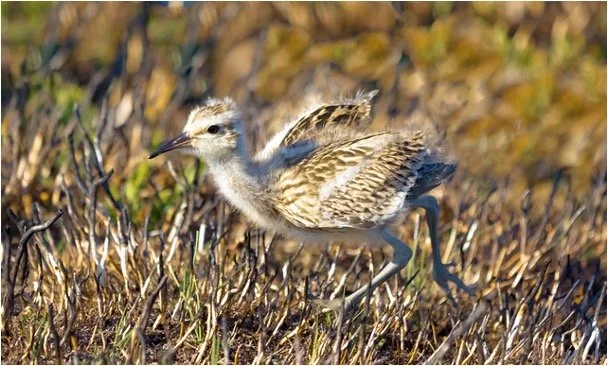
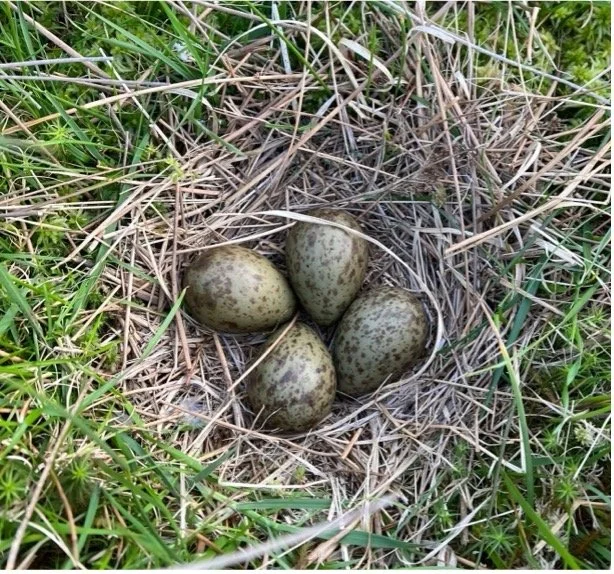
Photos from the moorlands of Nidderdale
From the Peak District Moorland Group comes a similar message. The group never tires from sharing footage of the fledging success of curlew on the managed moorland and its fringes, and makes an important observation: the habitat conditions that suit curlew also benefit a wide range of other ground-nesting birds. Perhaps, the group suggests, we ought to mark a Ground Nesting Birds Day alongside the curlew’s own.
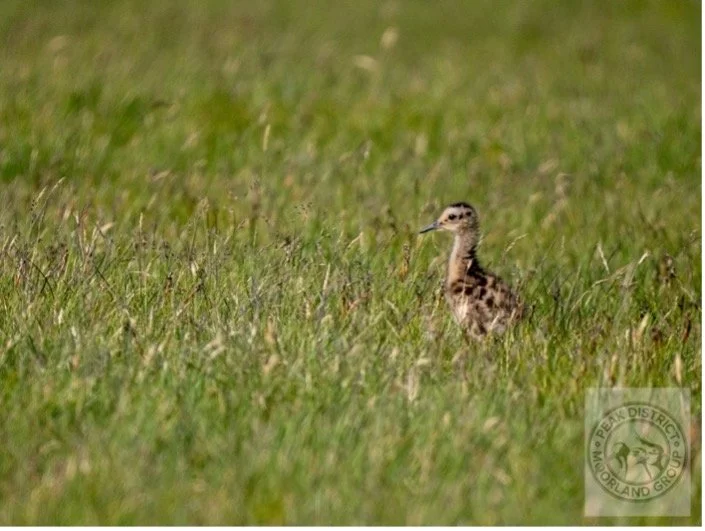
Photo by the Peak District Moorland Group
Following the birds home
The Forest of Bowland Moorland Group is using the day to share news of a GWCT satellite-tagged bird currently incubating on their patch. The bird winters in Drogheda, in Ireland, and although only three of the original eight tags remain operational, the data they have produced is giving researchers a remarkable window into where our breeding curlew go once they leave the uplands. Every data point helps conservationists understand the full annual cycle of a bird.
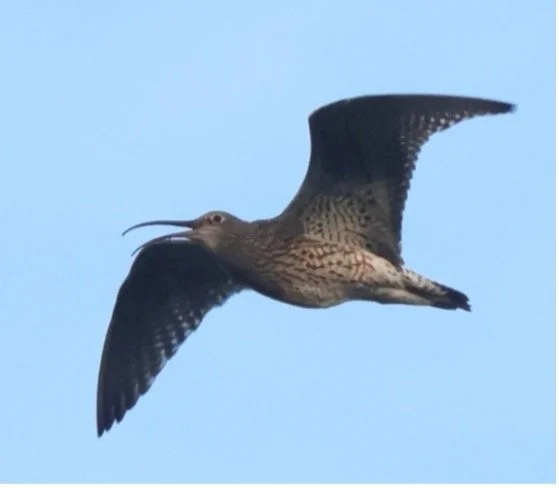
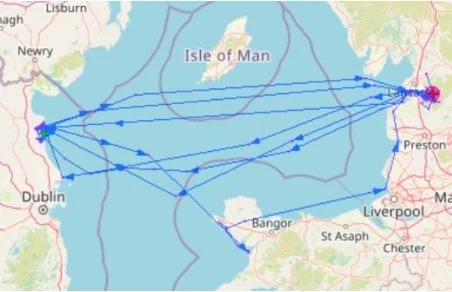
A GWCT satellite-tagged curlew incubating in the Forest of Bowland. This bird winters in Drogheda, Ireland
A shared responsibility
World Curlew Day is not only about celebration, but also about attention. The continued presence of the curlew on our moorlands exists because of the combined efforts of those who live and work on the land, and it is sustained by the respect shown to these landscapes by the people who visit them.
Thank you to the gamekeepers, farmers, estate staff and volunteers across our regional groups. And to everyone heading up onto the moors in the weeks ahead, please walk quietly, keep your dog on a short lead, and listen out for that unmistakable curlew call.