
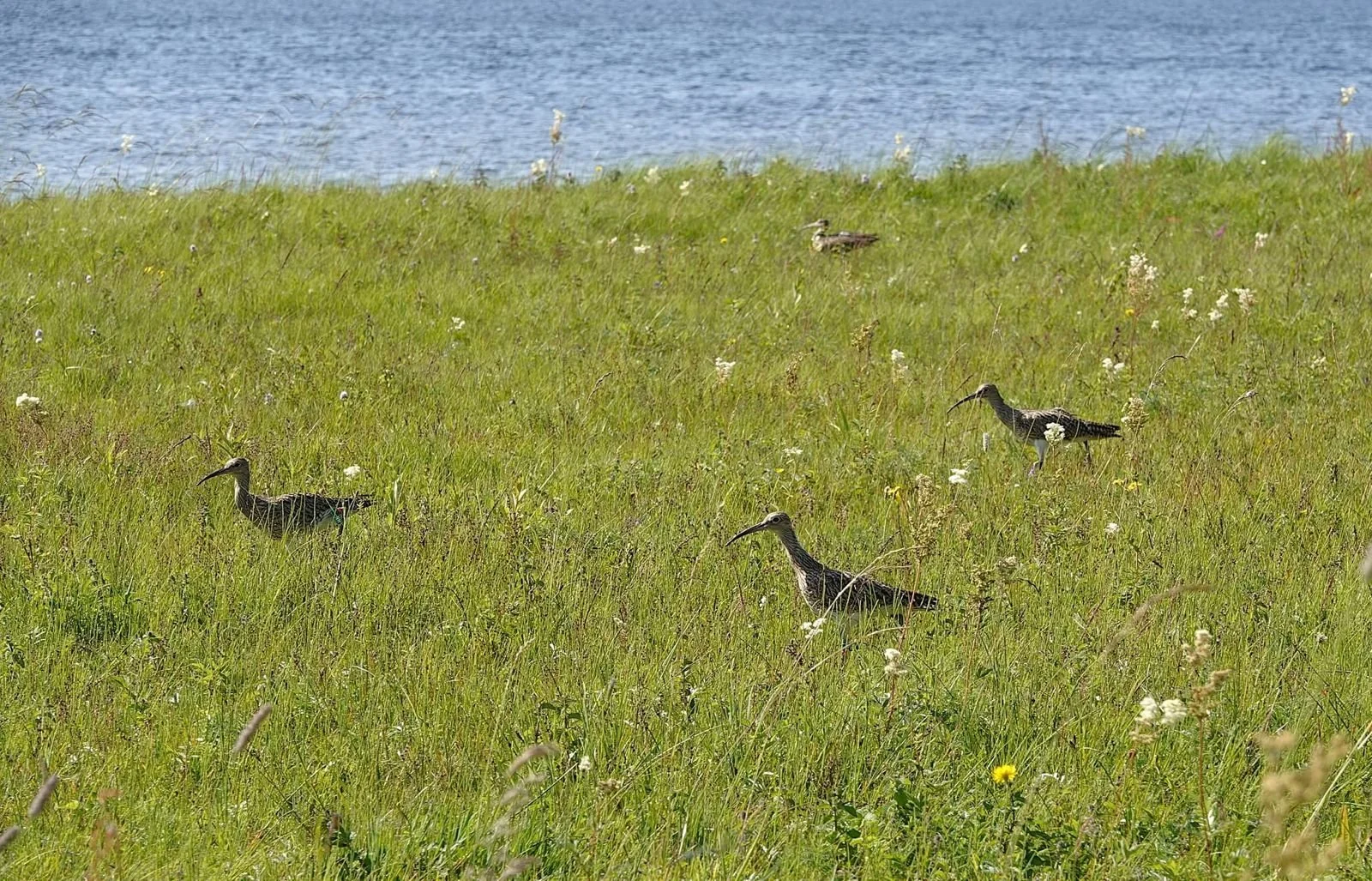
Curlews raised from eggs harvested in the Yorkshire Dales have been released into the wild in Ireland, as part of a groundbreaking partnership to rescue a population on the brink of extinction.
The project is a collaboration between the Yorkshire Dales Moorland Group (YDMG) and Breeding Waders EIP, an Irish conservation programme working to reverse the decline in the country's curlew population. Numbers have fallen by around 97% over the last three decades, leaving the wader on the brink of extinction as a breeding bird across most Irish counties.
The Yorkshire Dales offers a stark contrast. An estimated 43% of the national breeding curlew population nests in the Dales, sustained by the work of moorland grouse keepers who optimise upland habitats for ground nesting birds through rotational burning and cutting, predator management, nest protection and partnerships with hill farmers.
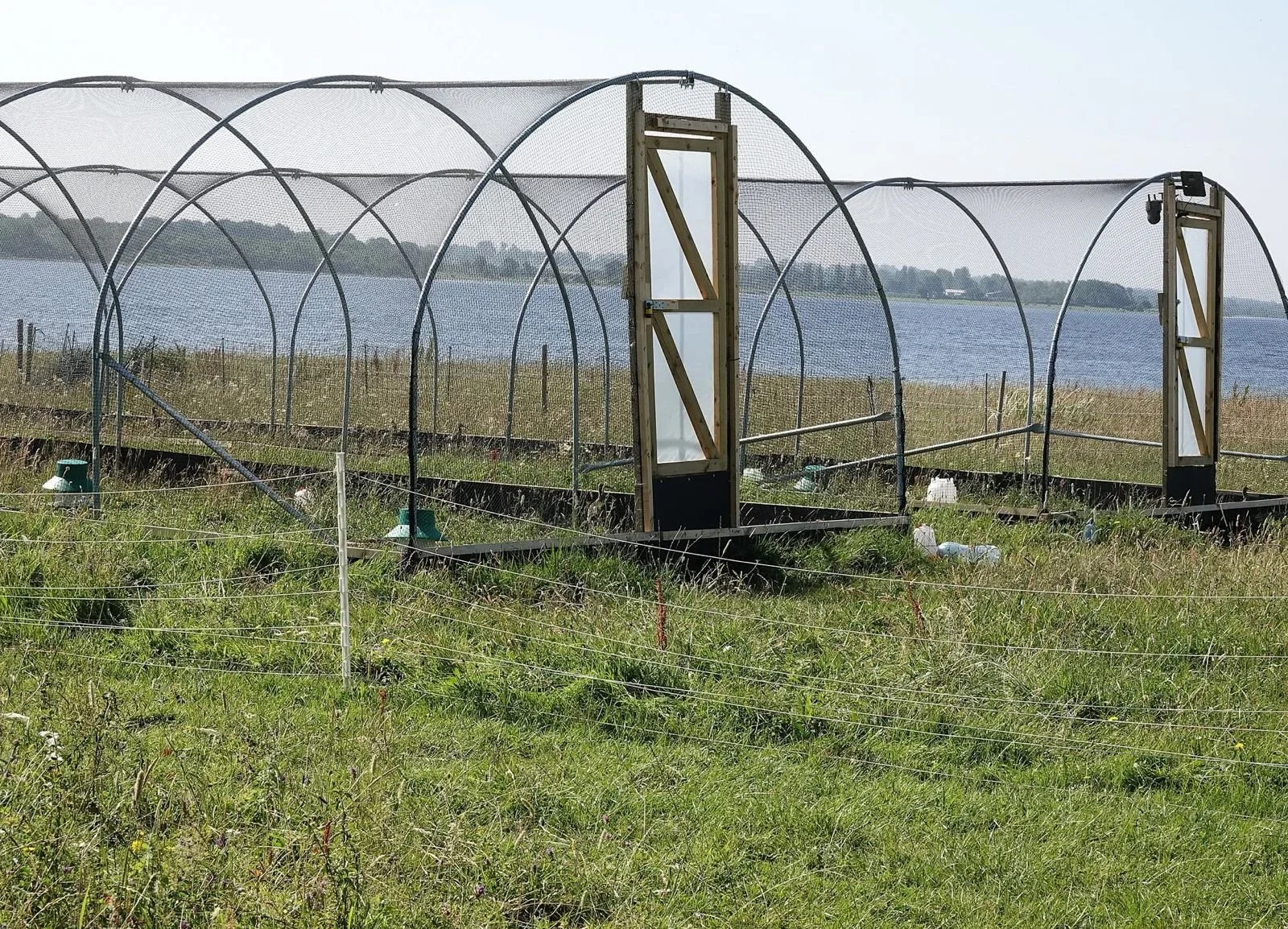
Under a licence granted by Natural England, 40 curlew eggs were harvested from vulnerable nests in spring, incubated close to hatching, then transferred to Dublin Zoo for rearing. Of the 40 eggs, 39 were viable, 38 hatched and 36 birds were reared to fledging, a rate that exceeds typical fledging in the wild.
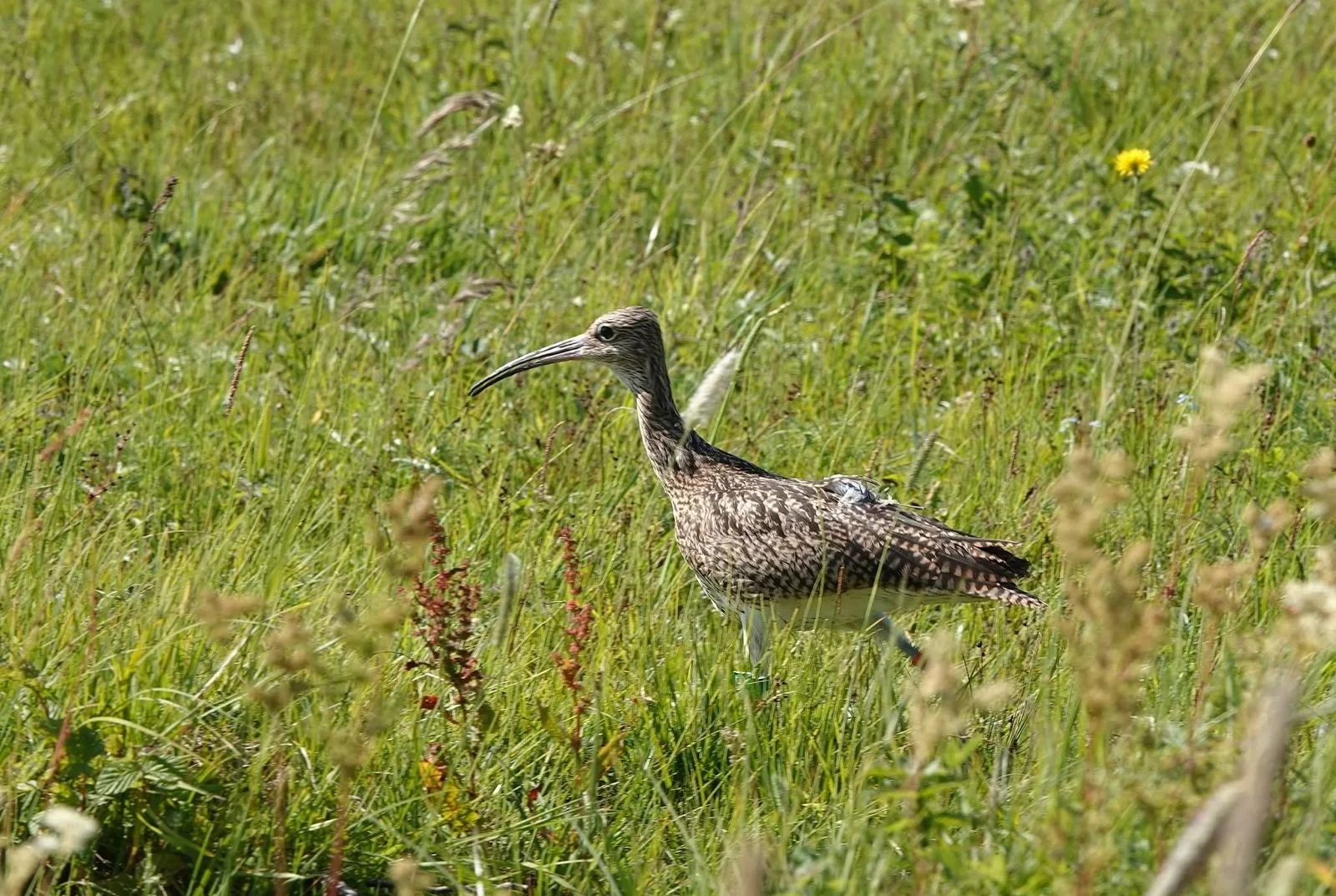
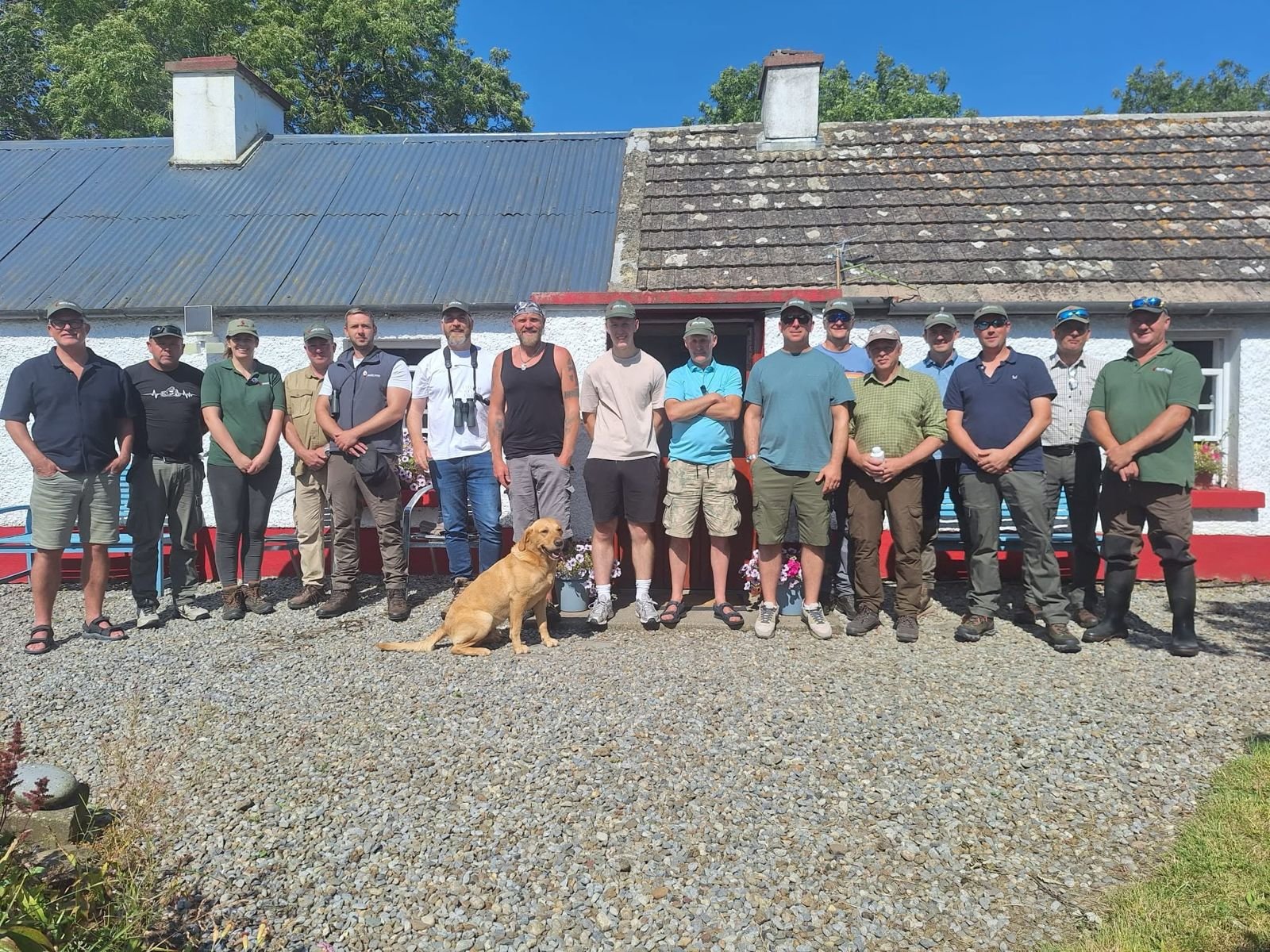
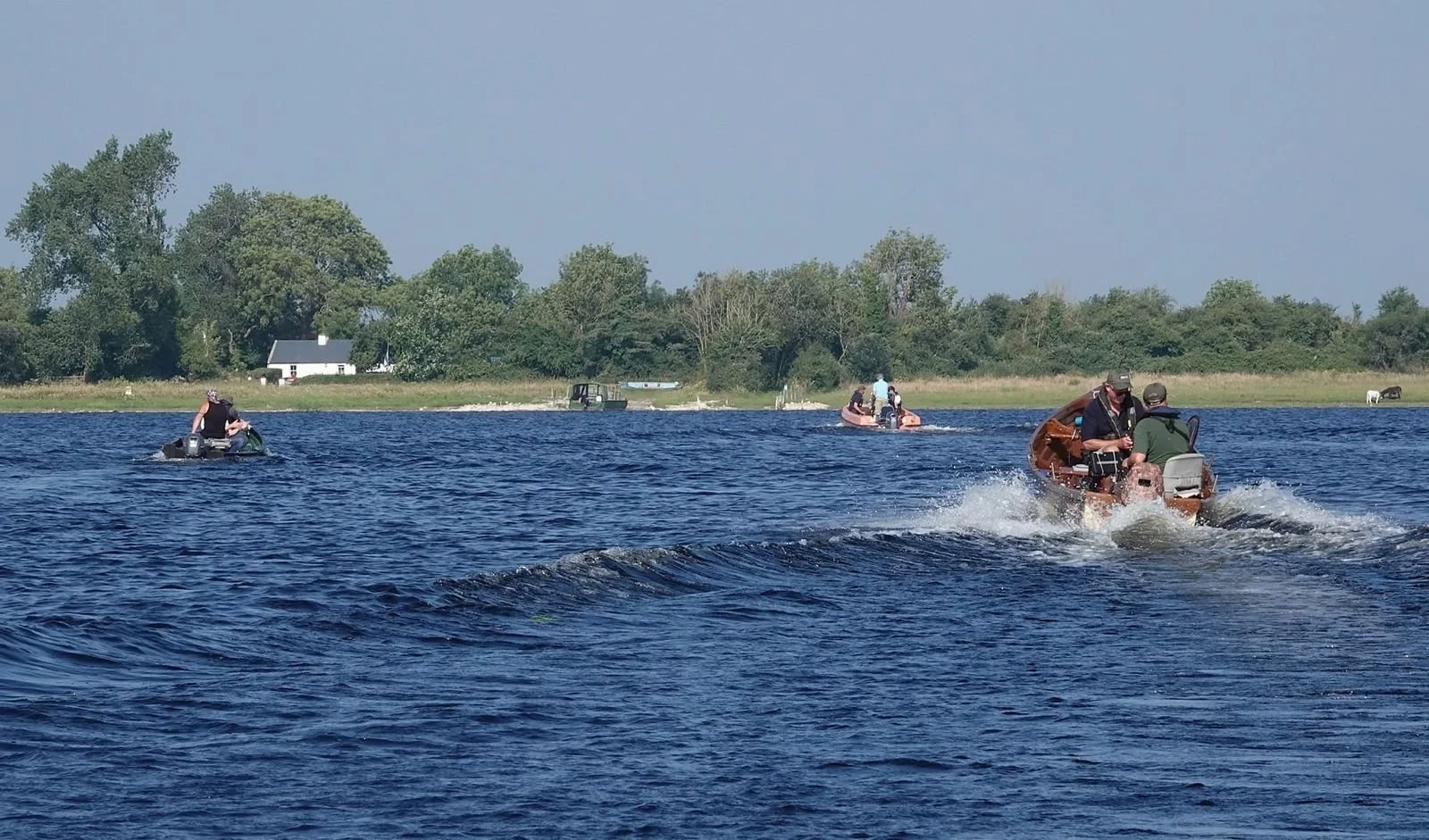
Last week the first birds were released on a predator free island on Lough Ree in the Irish midlands, its wildflower meadows and waterside setting providing a first stage home before the birds disperse naturally. Each carries a coloured ring and a GPS tag so its progress can be followed. Four members of the YDMG team travelled to witness the release, alongside Christopher O'Sullivan, Minister for Nature, Heritage and Biodiversity, and Andy Bleasdale, Head of the Scientific Advice and Research Directorate.
Darren, coordinator of the Yorkshire Dales Moorland Group, said: “To watch birds that began as eggs in a Dales nest step out into the Irish landscape was a deeply emotional moment for our team. It is proof of what managed uplands can offer the wider natural world. The abundance of curlew in the Dales is no accident. It is the result of decades of careful work by our keepers and estates, and we are enormously proud that this work is now helping to rescue a population on the edge of extinction.”
The five year project will see 40 eggs harvested each year, alongside scientific research into clutch replacement in breeding curlews. Adult birds in the Dales have been tagged by the Game & Wildlife Conservation Trust to measure how often the species lays again after losing a clutch to predation. Headstarting is not seen as a permanent fix, but as a bridge to prevent local extinctions while longer term solutions are found.