
Farmers and rural residents have been praised for bringing machinery, water and local knowledge to the effort to contain wildfires across Leicestershire this summer.
In an open letter, Callum Faint, Chief Fire and Rescue Officer at Leicestershire Fire and Rescue Service, credited their assistance with helping crews restrict the spread of fires and reach difficult ground.
“We could not have achieved the outcomes we did without the extraordinary support of our farming and rural communities,” he said.
The letter describes a practical contribution: tractors and water bowsers brought to incidents, fields ploughed to create firebreaks, and equipment and personnel transported across challenging terrain. Farmers helped get water to places where conventional fire service access was difficult.
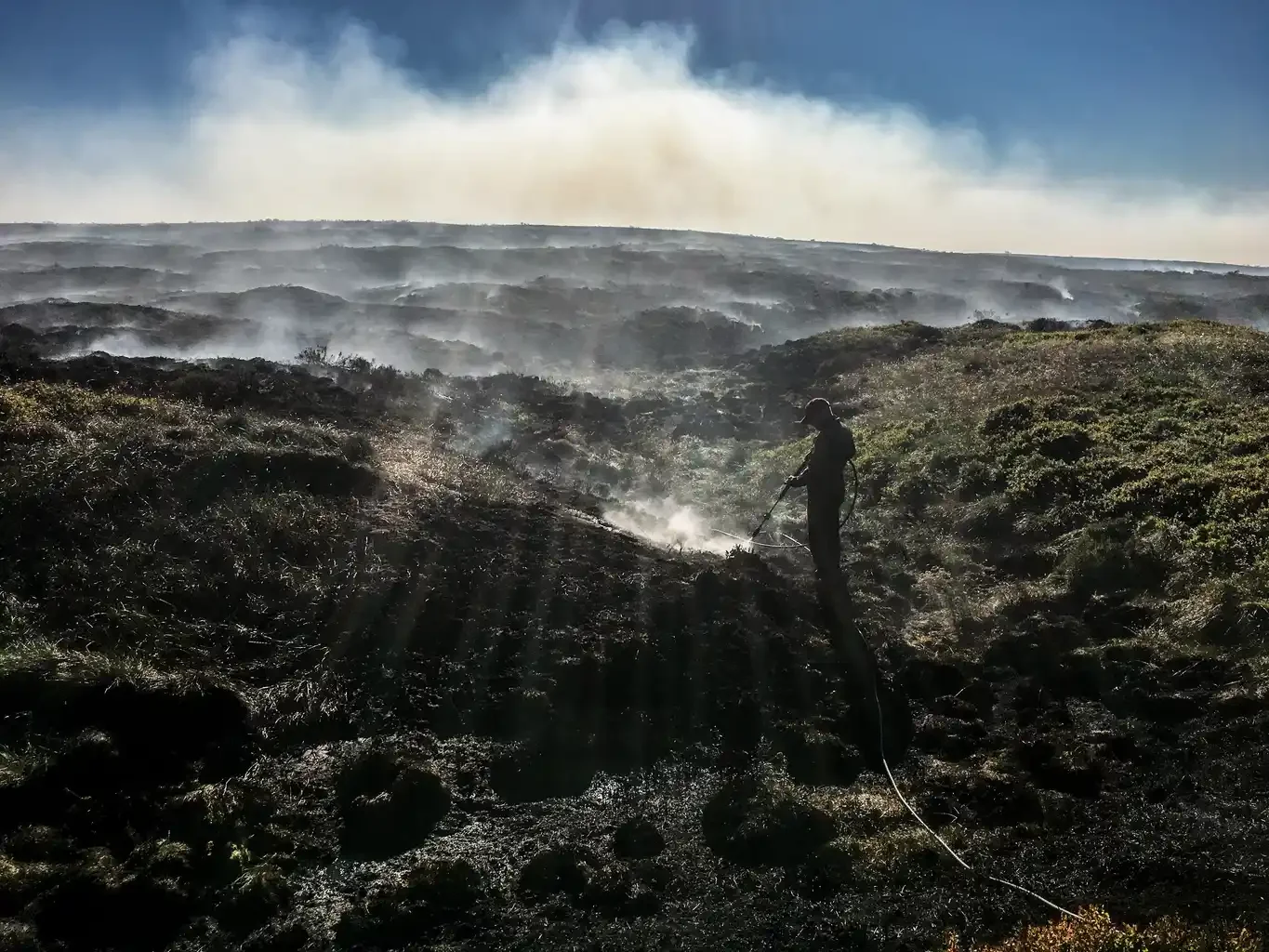
Mr Faint said the service’s debriefs had reinforced the importance of that help. He also acknowledged that people gave their time while facing pressures and risks to their own crops, livestock, land and livelihoods. Alongside his thanks to rural communities, he recognised the work of firefighters, control room staff and others supporting the response.
For moorland communities, the letter makes a valuable contribution to the national discussion about wildfire preparedness. It shows how the skills and equipment associated with working landscapes can support emergency services when conditions become dangerous.
The wider contribution of gamekeepers has also been highlighted. Quoted in Farmers Weekly, Sarah Lee, the Countryside Alliance’s Director of Policy and Campaigns, praised the role of farmers, gamekeepers and rural communities in protecting lives, livelihoods and wildlife during the summer’s fires.
As national wildfire plans develop, these experiences should help shape preparations on the ground. Joint training, clear contacts and agreed arrangements for water, machinery and access would help emergency crews and local land managers make the best use of their combined resources.
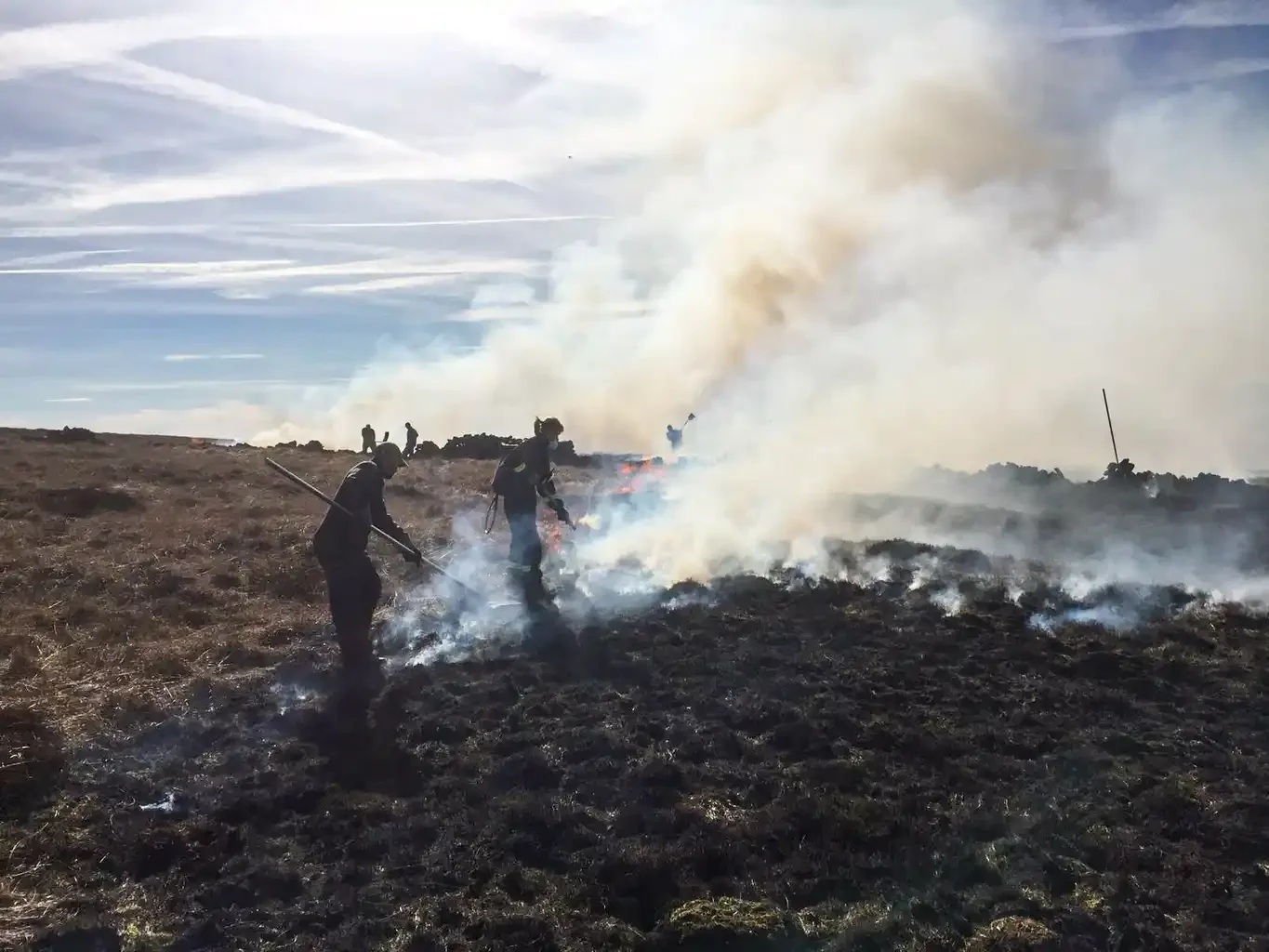
That preparation should also recognise the commitment involved. Equipment needs maintaining, training takes time, and prolonged incidents place demands on people whose own businesses and families may be affected.
Mr Faint has committed the service to continuing its work with farming and rural communities to improve preparedness. His letter offers a clear starting point for that partnership: recognising the people who stepped forward, understanding what made their help effective, and carrying those lessons into the next wildfire season.