
A walker following a familiar route, a photographer waiting for the right light, or a school group learning about upland wildlife: people come to the moors for many different reasons.
Take Barden Moor and Barden Fell in the Yorkshire Dales. These are managed moors, but they are used by the public. They are managed for grouse shooting, but they are also walking country, with routes to Simon’s Seat and across the open moors. The National Park Authority makes the arrangements clear: on these moors, access areas remain open to walkers when shooting takes place. Visitors and estate staff share the landscape through the season.
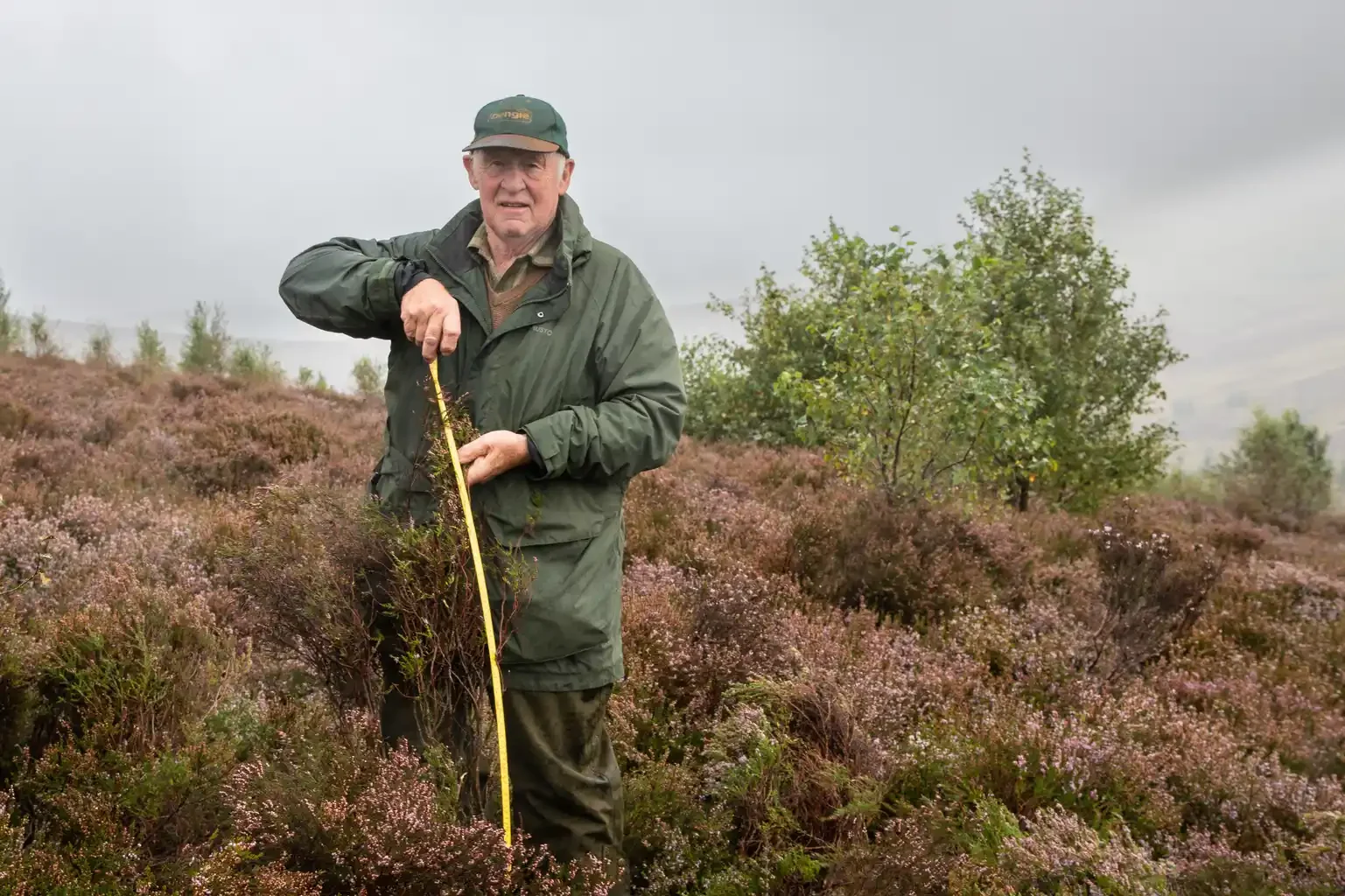
Many of these moors are a public amenity on privately owned land. Where public access is permitted, anyone can go for a walk or spend an afternoon watching wildlife free of charge. Landowners help pay for the upkeep of access roads and paths, while gamekeepers and other estate staff do some of the day-to-day work that makes visits possible. That can mean clearing an overgrown path, mending a broken stile or putting up signs to help visitors find their way. Estate teams also help protect upland habitats and maintain the old stone walls that are part of the moors’ heritage.
At Rylstone, the British Mountaineering Council lists 142 climbing routes on an estate-owned gritstone crag. Most of the crag is on designated open access land. A climbing rope is as much at home here as a pair of walking boots, with visitors expected to check access arrangements and respect any restrictions.
For children visiting through Let’s Learn Moor, a gamekeeper may be the person introducing them to the uplands for the first time. Almost 2,500 children from 70 schools attended events at eight northern England locations this summer. They learned about wildlife, peat and wildfire prevention from people whose working lives are spent on these landscapes. BASC reports that more than 16,000 young people have now taken part since the programme began.
There is a practical commitment behind those visits. BASC’s Legacy Fund helps finance the programme, which is overseen by BASC and Countryside Learning. Private estates and Regional Moorland Groups facilitate the events, supported by more than 50 partner organisations. The shooting community contributes funding, places to learn and the knowledge of the people working there.
Public access also rests on established rights. Designated access land in England allows walking, running, climbing and wildlife watching, subject to relevant restrictions. Private ownership and public enjoyment coexist across these moors.
These examples matter when decisions are made about the future of grouse moors. Estate management, outdoor recreation and education meet on the same ground. Recognising the work of gamekeepers and estate teams should be part of understanding how those uses fit together.
For someone heading home from a day’s walking, or a child returning to school with muddy boots and questions about curlews, the moor has a value quite separate from shooting. That wider public life deserves a place in the debate.